Introducing a Golden Retriever to Car Rides
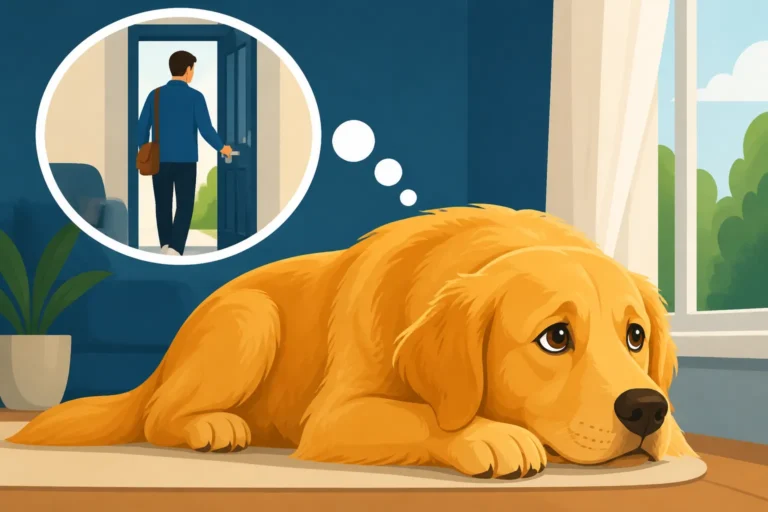
For many Golden Retriever owners, the idea of a fun road trip with their furry best friend can quickly turn into a stressful nightmare if their pup dreads car rides. Whether it's the whines and panting, the full-blown car sickness, or just a general apprehension every time the car door opens, it's a common and truly disheartening problem. This guide is all about transforming those car ride woes into wagging-tail adventures, helping you introduce your Golden to the joys of the open road calmly and positively, right from the start.
Starting Young: The Puppy's First Wheels Experience
Bringing home a new Golden Retriever puppy is an exciting time, filled with firsts. Among these is the car ride, and how you handle it can set the stage for years to come. Many people assume a dog will just naturally enjoy car rides, but for a sensitive Golden pup, the motion, sounds, and confinement can be overwhelming if not introduced thoughtfully. It's not just about getting them from point A to point B; it's about building a positive association.
Making the Car a Positive Place, Not a Scary One
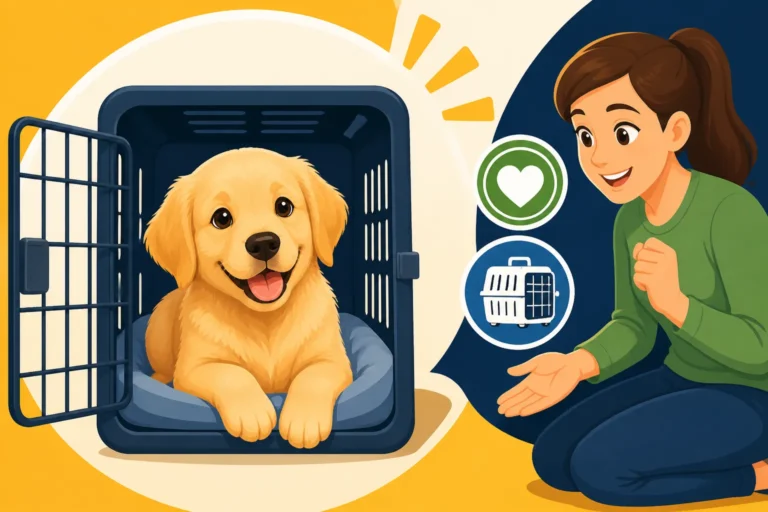
Imagine being scooped up and placed in a moving box without understanding what's happening. That's a bit how a car ride can feel to a young puppy. Before even turning the key, you want your Golden to see the car as a place where good things happen. Start by simply sitting with your puppy in the parked car, engine off. Open the doors, let them explore, and offer high-value treats and praise. This isn't about going anywhere; it's about associating the sights, smells, and confined space of the car with comfort and reward. Play a quiet game, give them a favorite chew toy, or just cuddle. The goal is to make the car a neutral, then positive, environment.
You might want to bring their favorite blanket or a toy from home that smells familiar and safe. A portable mat that you can put in the car and then bring inside can also help bridge that gap. If your puppy is enrolled in a program like BAXTER & Bella, their early socialization lessons often emphasize positive exposure to new environments, and the car is definitely one of those. Remember, every positive interaction chips away at potential anxiety, making the next step easier.
Short, Sweet, and Stationary Encounters
Once your puppy is comfortable just being in the parked car, you can slowly escalate the experience. Start by sitting in the driver's seat yourself while your puppy is comfortably secured in the back (more on securing them later!). Turn the engine on for a few seconds, then off. Give treats. Repeat this several times over different sessions. The hum and vibration of the engine are new sensory inputs that need to be normalized. The key here is brevity and positive reinforcement. Don't push it until your puppy shows signs of stress. If they start to pant, whine, or try to escape, you've gone too far too fast. Revert to the previous step where they were comfortable.
Think of it like building a tolerance. One day, the engine is on for ten seconds. The next, maybe thirty. The goal is to keep the experience positive and short, ending before any discomfort sets in. This careful pacing is crucial for preventing negative associations from forming early on. Crate Training a Golden Retriever Puppy can often go hand-in-hand with this, as a secure crate can become their safe space within the car.
Gradual Exposure: Building Confidence Step-by-Step
After your Golden is comfortable in a stationary car with the engine running, it's time to introduce actual movement. This phase is about slow, controlled exposure, ensuring each step builds upon a foundation of positive experiences. Rushing this can undo all your hard work.
The Art of the Driveway Adventure
The very first movement should be incredibly subtle. If you have a long driveway, perfect. If not, even backing out of a parking spot and pulling back in can work. With your Golden secured in the car, start the engine, back up a few feet, then stop. Turn off the engine. Give lavish praise and treats. Repeat this forward and backward. This introduces the sensation of movement without the added stress of changing scenery or traffic. The goal is to desensitize them to the initial jolt and gentle sway of the car.
This is also a great time to introduce a special car-only toy or a puzzle feeder that dispenses treats slowly. Distraction can be a powerful tool to redirect any nascent anxiety into something positive. You can find many robust, engaging puzzle feeders on Amazon that can keep a Golden's mind occupied, such as a KONG filled with peanut butter. The key is to make these "driveway adventures" brief and consistently positive. If your Golden is enjoying it, fantastic! If they seem a little hesitant, make the next session even shorter.
First Trips: Around the Block and Back
Once the driveway adventures are a success, it's time for short, actual drives. The first few should be literally "around the block." Choose a route that's quiet, with minimal turns or bumps. Again, the emphasis is on brevity and positive reinforcement. Drive around the block, come home, lavish praise, and offer a favorite treat. Don't go to the vet, don't go to the groomer – these are places often associated with less-than-thrilling experiences for dogs. Instead, make the destination the return home, a place of comfort and reward.
As your Golden grows more confident, you can gradually extend the length of the drives. Maybe it's two blocks, then three, then a trip to a nearby park they love (a neutral, positive destination). Over time, these positive associations will build, and the car itself will become a precursor to fun outings. Consider bringing a favorite blanket or bed from home to make their car space feel even more familiar. For continued guidance on positive training, resources from platforms like BAXTER & Bella can offer structured programs that incorporate these gradual exposure techniques. Socializing a Golden Retriever Puppy naturally includes these kinds of outings.
Overcoming Common Car Ride Challenges
Even with the best intentions and gradual introductions, some Golden Retrievers might still face challenges with car rides. It’s important to recognize these issues and address them with patience and appropriate strategies.
Addressing Car Sickness and Motion Discomfort
Car sickness is a common issue, especially in puppies whose inner ear development is still maturing. Signs include excessive drooling, licking lips, yawning, whining, lethargy, and eventually vomiting. It's truly unpleasant for both dog and owner, and it can quickly create a strong negative association with the car.
If you suspect car sickness, there are several things you can try. First, always make sure your Golden rides on an empty or nearly empty stomach for longer trips. A light meal a few hours before is usually fine, but avoid feeding right before. Keep the car cool and well-ventilated; cracking a window a bit can help. For puppies, a secure crate can reduce the visual stimulation that sometimes contributes to nausea. Some dogs do better looking forward, while others prefer to lie down. Experiment with their position.
For more severe cases, consult your veterinarian. They can prescribe anti-nausea medications specifically for dogs or suggest over-the-counter remedies. There are also natural calming aids like ginger chews (formulated for dogs!) or pheromone sprays that might help. Never give human motion sickness medication without explicit veterinary guidance. It's also worth noting that if you have an older Golden, conditions like Golden Retriever Arthritis and Joint Decline can make car rides uncomfortable, so talk to your vet about pain management if this is a factor.
Managing Anxiety and Excitement in the Car
Beyond car sickness, many Goldens experience anxiety or extreme excitement. Anxious dogs might pant, pace, whine, or even tremble. Overly excited dogs might bark, jump around, or try to get into the front seat, which can be dangerous. Both stem from a lack of calm coping mechanisms in the car.
For anxiety, continuing with the desensitization steps mentioned earlier is paramount. Short, positive trips to neutral destinations (like a quiet park) are key. Using a calming scent, a familiar blanket, or even a thundershirt can sometimes provide comfort. Chew toys or puzzle feeders can redirect nervous energy. For dogs that get overly excited, teaching a "place" command in the car (meaning they lie down calmly in their designated spot) can be very helpful. Reward calm behavior heavily. If your Golden is always trying to jump into the front, a car barrier purchased from Amazon is a simple, effective solution.
If the anxiety or excitement is severe and persistent, consider seeking help from a professional positive reinforcement dog trainer or a veterinary behaviorist. They can offer tailored strategies and potentially recommend medication to help your Golden cope. Consistent, patient training, often utilizing tools like those recommended by BAXTER & Bella, can make a significant difference.
Safety and Comfort Essentials for Every Trip
Beyond the behavioral aspects, ensuring your Golden Retriever's physical safety and comfort during car rides is non-negotiable. This not only protects them but also everyone else in the vehicle.
Securing Your Golden for Safe Travels
An unsecured dog in a car is a serious hazard. In the event of a sudden stop or accident, they can become a projectile, injuring themselves or passengers. Furthermore, a loose dog can distract the driver, leading to accidents. There are several safe ways to secure your Golden:
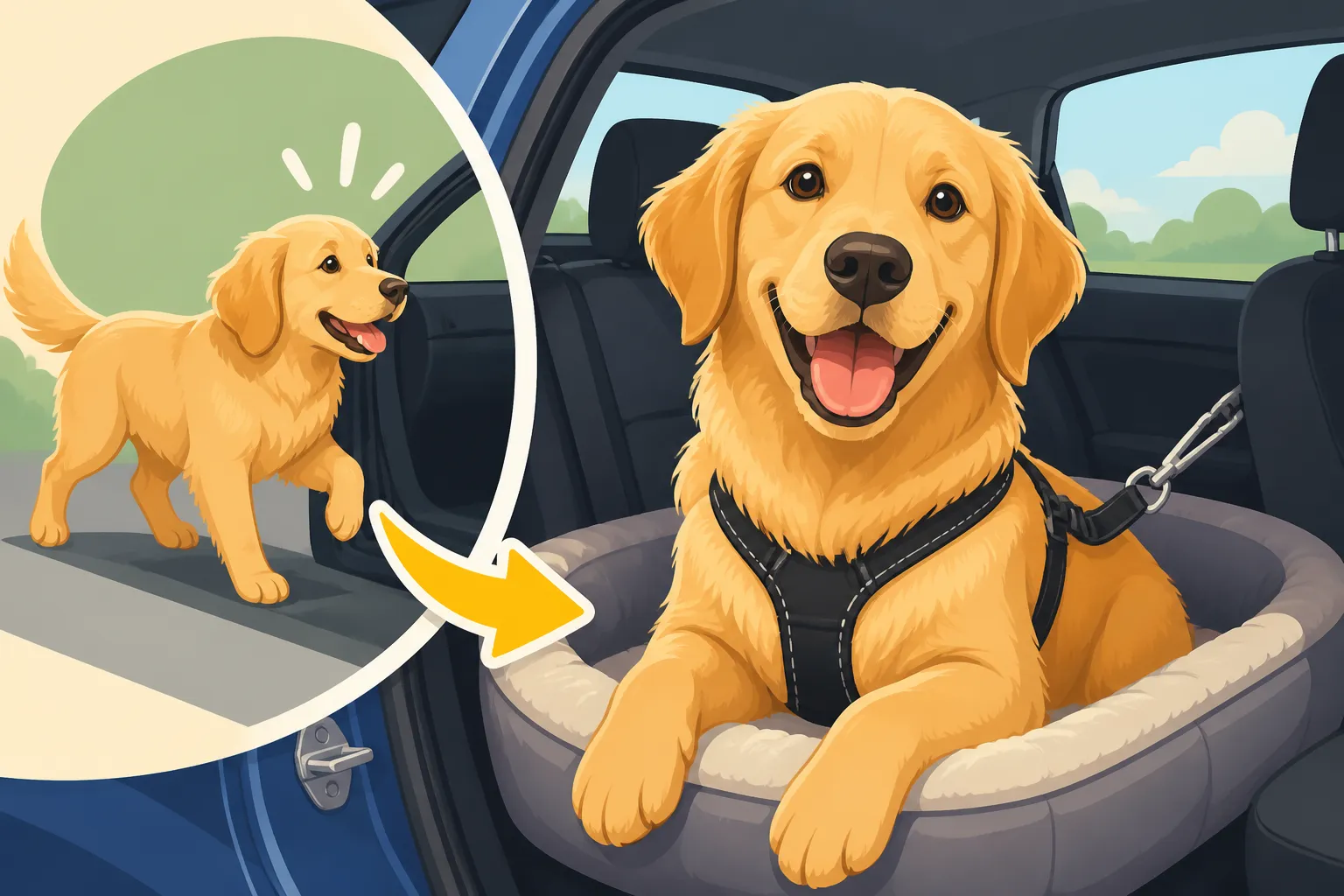
- Crash-tested Car Harnesses: These harnesses attach to the vehicle's seatbelt system, keeping your dog safely restrained in their seat. Look for brands that conduct crash testing to ensure they meet safety standards. Many options are readily available on Amazon.
- Travel Crates: A sturdy, well-ventilated crate, secured in the cargo area or backseat, offers excellent protection. The crate should be large enough for your Golden to stand up, turn around, and lie down comfortably, but not so large that they can be jostled excessively. Ensure the crate itself is secured so it doesn't slide around. This is especially useful for dogs prone to car sickness. Crate Size and Potty Training a Golden Retriever covers important sizing considerations.
- Car Barriers: For dogs that need to be in the cargo area or prefer more space, a car barrier can prevent them from accessing the passenger compartment. While this doesn't offer direct crash protection for the dog, it does prevent driver distraction.
Consider the layout of your car and your Golden's personality when choosing the best option. Some dogs feel more secure in a crate, while others prefer the freedom of a harness in the backseat. Safety should always be the top priority. Car Seat Covers and Barriers for a Golden can provide additional protection for your vehicle's interior.
Making the Car a Den, Not a Detour
To truly make car rides enjoyable, you want the car to feel like an extension of their comfortable home environment. This means more than just safety; it means creating a welcoming space.
| Car Ride Comfort Element | Why It Matters | How to Implement |
|---|---|---|
| Familiar Scent | Provides a sense of security and familiarity in a new or changing environment. | Place their favorite blanket, bed, or a worn t-shirt in their car spot. |
| Comfortable Bedding | Cushions against bumps, prevents slipping, and makes resting more appealing. | Use a soft, non-slip mat, a pet bed, or a thick blanket. |
| Quiet Entertainment | Distracts from anxiety, boredom, or over-excitement; encourages calm behavior. | Offer a durable chew toy, a KONG filled with treats, or a long-lasting chew. |
| Temperature Control | Prevents overheating or chilling, especially important for Goldens' double coats. | Keep windows slightly ajar (safely), use AC/heat as needed, provide water breaks. |
| Hydration | Essential for health, especially on longer trips or in warmer weather. | Always have fresh water available and offer it during stops. Consider a travel bowl. |
| Regular Breaks | Allows for potty breaks, stretching, and mental decompression. | Plan stops every 2-3 hours for longer journeys. |
By thinking of the car as a temporary den, you're not just transporting your Golden; you're inviting them to a mobile comfort zone. This holistic approach, combining gradual positive exposure with essential safety and comfort measures, will go a long way in turning every car ride into a pleasant experience for your beloved Golden Retriever. Remember, patience is key. Every little positive interaction adds up to build a confident, happy traveler.
Disclaimer
This article is for general informational purposes only and does not constitute professional advice. Laws, prices and regulations vary by location and change over time. Consult a qualified professional for guidance on your specific situation.