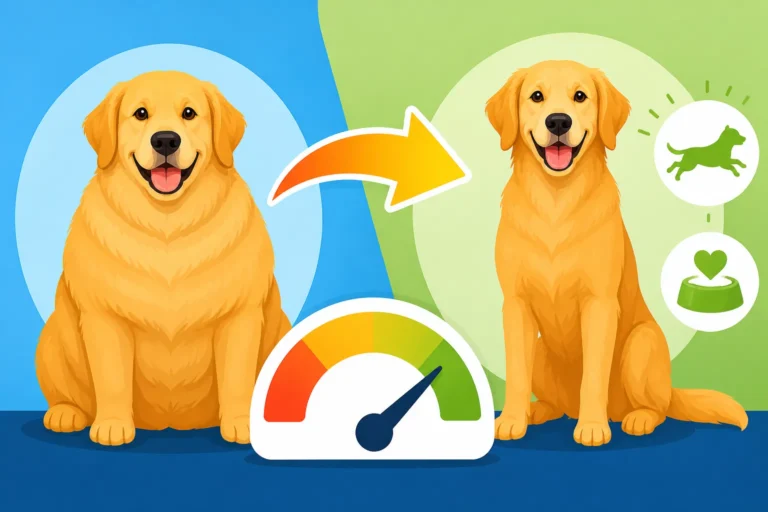
Large Breed Puppy Food and Why Goldens Need It
Bringing home a Golden Retriever puppy is one of the most exciting times in a dog owner's life, full of fluffy cuddles and boundless energy. But as the initial euphoria settles, many new owners find themselves standing in the pet food aisle, utterly overwhelmed by the sheer number of options. One of the most common questions, and a source of real anxiety, is figuring out what to feed their rapidly growing companion to ensure they develop into a healthy, strong adult. This guide is dedicated to demystifying large breed puppy food, explaining exactly why your Golden Retriever needs it, and how choosing the right formula can protect their long-term health.
Why "Large Breed" Isn't Just a Label for Golden Retrievers
When you pick out a bag of puppy food, you'll see a lot of options: "all life stages," "small breed," "medium breed," and, of course, "large breed." For a Golden Retriever puppy, that "large breed" label isn't just a marketing gimmick; it's a critical indicator that the food is specially formulated to support their unique growth curve. Goldens are indeed a large breed, and their bones and joints mature differently than those of a Chihuahua or a beagle. Ignoring this can have lifelong consequences for their skeletal health, leading to heartbreaking issues down the road.
The Rapid Growth Challenge in Big Dogs
Golden Retrievers experience an incredibly rapid growth phase during their first year to eighteen months. Unlike smaller breeds that might reach their adult size relatively quickly, Goldens are putting on a significant amount of weight and developing extensive bone structure over a prolonged period. This rapid growth, while natural, also makes them particularly vulnerable to developmental orthopedic diseases. Imagine trying to build a skyscraper without the right kind of rebar and concrete; it's going to struggle under its own weight. Your Golden's skeletal system is much the same.
During this intense growth spurt, their bones and joints are highly susceptible to damage if they grow too quickly or if their nutrition is imbalanced. Specifically, conditions like hip and elbow dysplasia, which are already prevalent in the breed, can be exacerbated or even triggered by improper feeding during puppyhood. A diet that encourages too-fast growth puts undue stress on immature joints and can lead to irreversible issues, causing pain and limiting mobility for years to come. This is why paying close attention to Why Fast Growth Damages a Golden Retriever's Joints is so vital for future well-being.
Unique Calcium and Phosphorus Needs
One of the most critical distinctions of large breed puppy food lies in its precise calcium and phosphorus ratios. These two minerals are fundamental for bone development, but too much or too little of either, especially calcium, can be detrimental to a rapidly growing Golden Retriever. Generic puppy foods often have higher calcium levels, which might be fine for a smaller dog with a different growth rate, but can be dangerous for a Golden.
For large breeds, an excess of calcium can disrupt the natural process of bone formation and remodeling. It can lead to skeletal abnormalities, including osteochondrosis (OCD), a condition where cartilage fails to develop properly. This isn't something that happens overnight; it's a cumulative effect of incorrect nutrition over months. Therefore, understanding Calcium and Phosphorus in a Golden Puppy's Food becomes paramount. Large breed puppy formulas are carefully balanced to provide just enough calcium and phosphorus to support healthy, steady bone growth without overstimulating it, thereby mitigating the risk of developmental orthopedic issues.
Key Nutritional Differences That Matter for Growing Goldens
It's not just calcium and phosphorus that set large breed puppy foods apart. The overall caloric density, protein, and fat content are also specifically tailored to support the more controlled, steady growth that is ideal for Golden Retrievers. These elements work in concert to ensure your puppy develops at a healthy pace, building strong muscles and bones without putting excessive strain on their developing frame.
Controlled Calorie and Fat Levels
One of the biggest mistakes well-meaning owners make is overfeeding their Golden Retriever puppy or feeding them a diet that's too calorie-dense. While you might think more calories mean more energy and faster growth, for a large breed puppy, it actually means unhealthy faster growth. Large breed puppy foods typically have a slightly lower caloric density and fat content compared to regular puppy foods. This isn't about restricting nutrition; it's about promoting a slower, more controlled growth rate that allows the skeletal system to catch up with the muscle and tissue development.
Excess calories translate into faster weight gain, which puts additional stress on immature joints that aren't yet ready to bear that load. It's like asking a teenager to lift weights designed for a bodybuilder – their frame just isn't ready. By offering controlled calories, large breed formulas help maintain a healthy body condition, which is a key factor in preventing orthopedic problems later in life. This also connects directly to the dangers discussed in Overfeeding a Golden Retriever Puppy.
Optimal Protein and Joint Support
While the focus is often on calcium, protein quality and quantity are also crucial. Large breed puppy foods provide appropriate protein levels to support the development of strong muscles, which are essential for supporting developing joints. These formulas typically contain high-quality, digestible protein sources to fuel muscle growth without contributing to unhealthy rapid bone growth.
Beyond protein, many large breed puppy formulas also include ingredients aimed at supporting joint health, such as glucosamine and chondroitin. While these are often associated with senior dogs, introducing them during puppyhood can lay a good foundation for joint resilience. Omega fatty acids, like DHA, are also vital for brain and eye development, as well as contributing to a healthy coat and skin. These specialized ingredients in large breed puppy food contribute to a holistic approach to your Golden's overall well-being.
The Hidden Dangers of Feeding the Wrong Food Type
It's tempting to think that "puppy food is puppy food," or that feeding an adult formula will somehow make your Golden Retriever grow up faster and stronger. Unfortunately, these assumptions can lead to significant health issues that could have been avoided. The nutritional needs of a rapidly growing large breed puppy are incredibly specific, and veering off course can have lasting, detrimental impacts on their skeletal and overall health.
Over-nutrition from Regular Puppy Food
Feeding a Golden Retriever puppy a standard "all breed" puppy food or one formulated for smaller breeds can inadvertently lead to over-nutrition. As mentioned earlier, these foods often have higher caloric densities and higher concentrations of critical minerals like calcium. While a small dog might thrive on such a diet, a Golden Retriever can grow too quickly. This accelerated growth is not desirable for large breeds because it doesn't allow their bones and joints sufficient time to mature and solidify properly.
The consequences can range from increased susceptibility to hip and elbow dysplasia to conditions like panosteitis (growing pains) and osteochondrosis (OCD). These are not minor ailments; they can cause chronic pain, require expensive surgeries, and significantly impact your dog's quality of life. Imagine a puppy limping or struggling to get up, all because their diet pushed their system too hard, too fast. It's a heartbreaking reality that many owners face, often unaware that their choice of puppy food played a role. It's why attention to detail in their early months is so important, influencing issues like Golden Retriever Hip and Elbow Dysplasia Explained.
Inadequate Nutrition from Adult Dog Food
On the flip side, feeding an adult dog food to a Golden Retriever puppy is also problematic. Adult maintenance formulas are designed for fully grown dogs with stable nutritional needs, not for the intense growth and development happening in a puppy. Adult foods typically have lower protein, fat, and calorie levels, and different vitamin and mineral balances than what a growing puppy requires.
A puppy fed adult food will likely miss out on the vital nutrients needed for proper bone development, muscle growth, and immune system strength. This can lead to stunted growth, nutritional deficiencies, and a compromised immune system, making them more vulnerable to illness. While it might seem like a cost-saving measure or a way to slow growth, it actually deprives your puppy of the building blocks they need during their most critical developmental phase. It’s essential to provide the right fuel to develop healthy, robust systems.
Decoding Dog Food Labels: What to Look For and Avoid
Navigating the labyrinth of dog food labels can feel like deciphering a foreign language. Every bag promises the best for your furry friend, but knowing what claims truly matter for a Golden Retriever puppy requires a keen eye. Beyond the general "large breed" designation, specific ingredients and guaranteed analyses will tell you if a food is truly appropriate for your growing Golden.
Essential Ingredients and Guaranteed Analysis
When examining a large breed puppy food label, the "guaranteed analysis" is your best friend. This section provides the minimum percentages for crude protein and crude fat, and maximum percentages for crude fiber and moisture. For growing Golden Retrievers, you'll want to see protein levels in the range of 23-28% and fat levels around 12-18%. Crucially, look for calcium and phosphorus ranges. A calcium level between 0.9-1.5% (dry matter basis) and a calcium-to-phosphorus ratio of 1:1 to 1.5:1 is generally recommended for large breed puppies. Higher calcium content, above 1.5%, can be risky.
Beyond these numbers, look at the first few ingredients. You want to see high-quality, named meat sources like chicken, lamb, or salmon. Avoid vague terms like "meat by-products" or "animal digest" as primary ingredients. Whole grains like rice, barley, or oats are generally good carbohydrate sources. Some foods also include beneficial additions like omega fatty acids (DHA for cognitive development), prebiotics, and probiotics for digestive health. Don't be shy about really digging into Reading a Dog Food Label for a Golden Retriever before you make your final choice.
| Nutrient | Ideal Range (Large Breed Puppy) | Typical Range (Generic Puppy) | Why It Matters for Goldens |
|---|---|---|---|
| Crude Protein | 23-28% min | 25-30% min | Supports muscle growth without over-accelerating bone growth. |
| Crude Fat | 12-18% min | 15-22% min | Provides energy while preventing excessive weight gain. |
| Calcium | 0.9-1.5% max | 1.2-2.5% max | Crucial for bone development; high levels lead to skeletal issues. |
| Phosphorus | 0.7-1.2% max | 0.9-1.6% max | Works with calcium for bone health; balance is key. |
| Ca:P Ratio | 1:1 to 1.5:1 | Variable | Essential for mineral absorption and proper bone formation. |
| DHA (Omega-3) | 0.1-0.2% min | Often present, less specified | Supports brain and vision development. |
Understanding Grain-Free Debates
The debate around grain-free diets has been significant in recent years, particularly concerning a potential link to dilated cardiomyopathy (DCM) in certain breeds, including Golden Retrievers. While the science is still evolving, some veterinary cardiologists and nutritionists have expressed concerns about boutique, grain-free diets that rely heavily on legumes (peas, lentils) or potatoes as primary carbohydrate sources instead of traditional grains.
For a Golden Retriever puppy, who is already at a higher risk for certain health issues, it's generally safer to choose a large breed puppy food that includes grains unless there's a specific, diagnosed allergy or sensitivity requiring a grain-free diet. Always consult with your veterinarian before making significant dietary choices, especially if considering a grain-free option. For more in-depth information, consider Grain-Free Food and Golden Retriever Heart Health. Brands like Purina, Royal Canin, and Eukanuba offer well-researched large breed puppy formulas that often contain grains. When looking online, popular retailers like Chewy offer a wide selection with detailed nutritional information to help you compare.
Feeding Your Golden Retriever Puppy: Portions, Schedules, and Transitions
Once you've chosen the right large breed puppy food, the next steps are about consistent and correct feeding practices. How much to feed, when to feed, and how to introduce new foods all play a role in your Golden's healthy development. Getting these details right ensures your puppy gets the full benefit of their specialized diet.
Establishing a Consistent Feeding Schedule
Consistency is key for a Golden Retriever puppy's digestive health and overall well-being. Generally, puppies up to about 4-6 months old do best with three meals a day. As they grow older and their stomachs mature, you can transition to two meals a day, typically between 6-12 months of age. Your specific puppy's needs may vary, so always monitor their body condition. For detailed guidance, Golden Retriever Puppy Feeding Amounts and Schedule offers valuable insights.
Stick to the feeding guidelines on your chosen large breed puppy food bag, but remember these are just starting points. Every puppy is an individual, and their metabolism, activity level, and growth rate will influence how much food they truly need. Use the feeding chart as a baseline and then adjust based on your puppy's body condition. You should be able to feel their ribs easily without seeing them protruding, and they should have a discernible waist when viewed from above. If you're ever in doubt, your veterinarian is the best resource for personalized advice on portion control.
Smooth Transitions and Monitoring Progress
When you bring your new Golden Retriever puppy home, they will likely be eating the food their breeder provided. It’s crucial to continue with that food, at least initially, to minimize stress and stomach upset. If you decide to switch to a different large breed puppy food, do so gradually over 7-10 days. This allows your puppy's digestive system to adjust without sudden changes. For advice on minimizing digestive upset, Switching a Golden Retriever's Food Without Upset can guide you.
Start by mixing about 25% of the new food with 75% of the old food for a few days. Then, move to a 50/50 mix for a few more days, followed by 75% new food and 25% old food. Finally, you can feed 100% new food. Throughout this transition, keep an eye on your puppy's stool consistency and overall energy levels. Any signs of diarrhea, vomiting, or lethargy mean you should slow down the transition or consult your vet. Monitoring their weight and growth with regular vet check-ups will also ensure they're progressing well. Major online retailers like Amazon make it easy to order specific brands and formulas, ensuring you always have your pup's preferred food on hand.
Common Myths and Mistakes About Puppy Nutrition
Even with the best intentions, it's easy to fall prey to common misconceptions about feeding puppies, especially large breeds like Golden Retrievers. Dispelling these myths is crucial for providing the best nutritional foundation for your furry family member.
The Myth of "More Protein for More Muscle"
While protein is undeniably vital for muscle development, the idea that "more protein equals more muscle" is an oversimplification that can be detrimental for growing Golden Retrievers. As we discussed, the key for large breeds is controlled growth. Extremely high protein diets can sometimes contribute to faster growth rates, which, coupled with high calcium, can increase the risk of orthopedic problems. The goal isn't just muscle but balanced muscle and bone development that allows their skeletal system to mature properly.
Focus instead on high-quality, digestible protein sources within the recommended ranges for large breed puppy food. A diet with a moderate, balanced protein content, combined with appropriate exercise, will naturally support healthy muscle development without putting undue stress on their growing joints. Remember, your puppy is undergoing significant internal development; providing the right building blocks in the right amounts is far more effective than simply flooding their system with one macronutrient.
Homemade Diets and Supplementation Without Guidance
The allure of fresh, homemade food for your beloved puppy can be strong, especially with the rise of human-grade fresh food services like Ollie. While some fresh or raw food diets can be balanced, doing it yourself without expert veterinary nutritional guidance is incredibly risky for a growing Golden Retriever. Achieving the precise balance of vitamins, minerals (especially calcium and phosphorus), proteins, and fats needed for large breed puppy development is extremely complex. Even a slight imbalance over time can lead to serious and irreversible skeletal issues. It's not just about cooking chicken and rice; it's about micro-nutrient accuracy.
Similarly, adding supplements to a commercially prepared large breed puppy food should almost always be done under the guidance of your veterinarian. If you're feeding a complete and balanced large breed puppy food, it already contains everything your puppy needs. Adding extra calcium, for example, can easily push them into dangerous territory, increasing their risk for orthopedic problems. Unless specifically directed by your vet to address a diagnosed deficiency, "extra" supplements are usually unnecessary and potentially harmful. For those interested in more nuanced discussions about dietary choices, exploring topics like Fresh and Raw Diets for Golden Retrievers can offer additional perspectives, but always with a professional consult.
Forgetting Regular Body Condition Checks
It's easy to get caught up in the feeding schedule and the specific food, but one of the most common mistakes is forgetting to regularly assess your Golden Retriever puppy's body condition. Puppies grow so quickly that what was the right amount of food last week might be too much or too little this week. Simply following the bag's instructions without adjusting for your individual puppy's needs is a recipe for potential issues.
Regularly run your hands over your puppy's sides. You should be able to easily feel their ribs, but they shouldn't be visibly prominent. When looking down from above, you should see a waistline that tucks in slightly behind their ribs. If your puppy looks round or you can't easily feel their ribs, they're likely getting too much food or too many treats, which can contribute to the "too-fast growth" problem we've been discussing. Conversely, if their ribs are very prominent or they look too thin, they might need a bit more. These checks are just as important as the food itself in preventing How Extra Weight Shortens a Golden Retriever's Life and fostering healthy development. Your vet will perform this at every check-up, including The First Vet Visit for a Golden Retriever Puppy, so make sure you're doing it between visits too!
Disclaimer
This article is for general informational purposes only and does not constitute professional advice. Laws, prices and regulations vary by location and change over time. Consult a qualified professional for guidance on your specific situation.