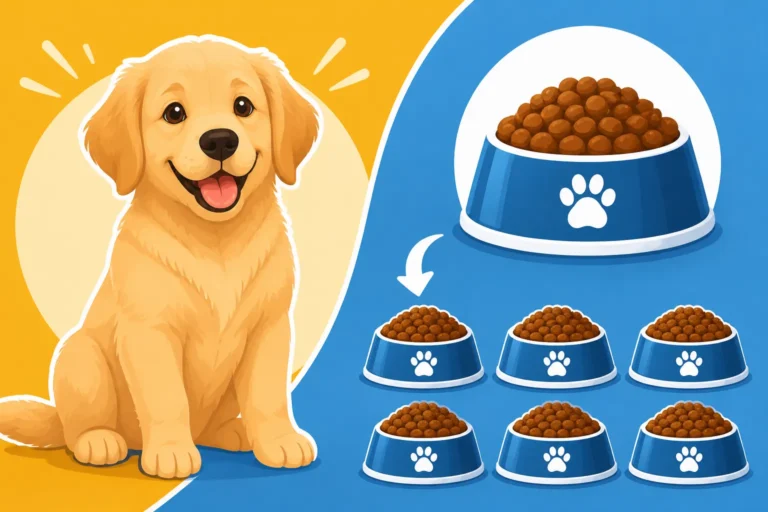
Feeding a Golden Retriever Puppy Three Meals a Day
Bringing home a fluffy Golden Retriever puppy is an absolute joy, but it also comes with a lot of questions, especially around feeding. One of the biggest worries new puppy parents often face is ensuring their little furball gets enough to eat without overdoing it, all while navigating a consistent schedule. This guide is here to walk you through why feeding your Golden Retriever puppy three meals a day is such a beneficial practice and how to successfully implement this routine for a happy, healthy start to life.
The Importance of Frequent Meals for Golden Retriever Puppies
You might wonder why a growing puppy needs to eat more often than an adult dog, or why three meals are generally recommended over two or even free-feeding. The truth is, a Golden Retriever puppy's body is a busy little factory, working tirelessly to grow and develop at an incredible rate. Their nutritional needs are intense, and their tiny digestive systems and rapid metabolisms are designed to handle smaller, more frequent fuel stops throughout the day.
The Rationale Behind Frequent Meals for Growing Pups
Imagine trying to build a house with sporadic deliveries of materials. It would be inefficient, right? The same goes for your growing Golden puppy. They aren't just gaining weight; their bones are lengthening, their muscles are strengthening, their brains are developing, and their immune systems are coming online. All of this demands a constant, steady supply of nutrients.
Smaller, more frequent meals provide a consistent influx of energy and building blocks without overwhelming their still-developing digestive tract. A puppy's metabolism is much faster than an adult dog's, meaning they burn through calories at an impressive pace. Spreading out their daily caloric intake helps to maintain stable blood sugar levels, preventing energy crashes that can make a puppy lethargic or prone to accidents. It also ensures they're getting a steady stream of essential vitamins and minerals crucial for proper development, especially for a large breed like a Golden Retriever. Without this steady intake, a puppy might experience periods of hunger, which can lead to rapid eating, digestive upset, and even behavioral issues like resource guarding later on.
Avoiding Overloading a Puppy's Digestive System
A Golden Retriever puppy's tummy is delicate. Their digestive enzymes and gut flora are still maturing, making them more sensitive to large volumes of food. If a puppy eats too much in one sitting, several problems can arise. For starters, it can lead to uncomfortable bloating, gas, and diarrhea, which nobody wants to clean up, let alone for a puppy to experience. More seriously, it can put undue stress on their developing digestive organs.
Beyond immediate discomfort, overfeeding, especially in large, infrequent meals, can contribute to overly rapid growth. While you might think faster growth is better, for large breeds like Golden Retrievers, it’s actually detrimental to their joint health. Rapid weight gain and bone development can put excessive strain on their young joints, potentially exacerbating conditions like Golden Retriever Hip and Elbow Dysplasia Explained or Why Fast Growth Damages a Golden Retriever's Joints later in life. By providing three balanced meals, you help your puppy digest their food more thoroughly, absorb nutrients more efficiently, and grow at a healthy, steady pace. This careful approach sets the foundation for a lifetime of better health and mobility.
Structuring Your Golden Retriever Puppy's Feeding Schedule
Establishing a consistent feeding schedule is one of the most important things you can do for your Golden Retriever puppy. It's not just about nutrition; it’s about routine, house-training, and building a secure environment. Puppies thrive on predictability, and knowing when their meals are coming helps them feel safe and understand the rhythm of their new home.
Creating a Consistent Daily Routine
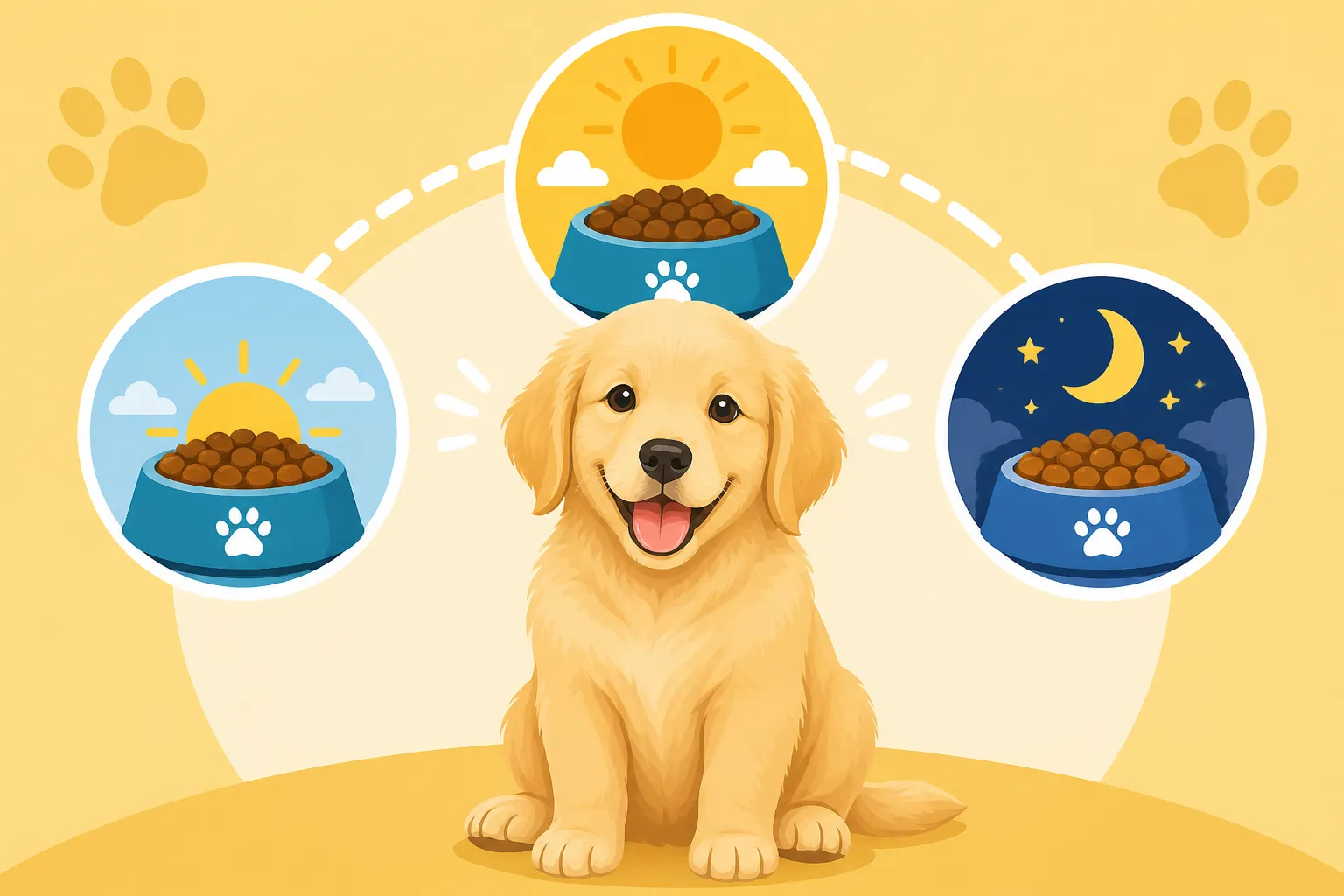
Think of your Golden Retriever puppy's feeding schedule as the anchor for their entire day. When you feed them at predictable times, their body learns to expect food, which can significantly aid in house-training. Usually, a schedule that breaks the day into three distinct meal times works best. For example:
- Morning Meal: Shortly after waking up, perhaps between 6:00 AM and 7:00 AM. This fuels them for the morning's activities and energy bursts.
- Mid-Day Meal: Around noon or early afternoon, perhaps between 12:00 PM and 1:00 PM. This provides a crucial energy boost to get them through the afternoon play sessions.
- Evening Meal: A few hours before bedtime, typically between 5:00 PM and 6:00 PM. This allows plenty of time for digestion and a final potty break before settling down for the night.
Consistency is absolutely key. Try to stick to these times as closely as possible every single day, including weekends. This predictability isn't just for digestion; it's also a huge help with potty training, as puppies often need to go shortly after eating. A regular schedule will help you anticipate their needs and prevent accidents. For more specific guidance on how much to give them, you can consult resources like Golden Retriever Puppy Feeding Amounts and Schedule.
Monitoring Your Puppy's Appetite and Energy Levels
Even with a consistent schedule, your puppy's needs can fluctuate. Golden Retrievers grow quickly, and their appetite might increase during growth spurts or decrease slightly if they're feeling a bit under the weather. It's crucial to be an observant pet parent.
Watch how eagerly your puppy eats their food. Do they gobble it down in seconds, or do they pick at it? A healthy Golden puppy should usually be excited for mealtime. If your puppy suddenly loses interest in food, or leaves a significant portion behind consistently, it's a good idea to consult your vet. This could be a sign of anything from minor upset to something more serious, so always err on the side of caution.
Also, pay attention to their energy levels between meals. Are they playful and active, or are they unusually lethargic? If they seem to crash frequently, they might not be getting enough calories, or their food might not be providing sustained energy. Conversely, if they're constantly ravenous and always begging, you might need to slightly increase their portion or reassess the nutritional content of their food. Remember, a healthy puppy is a happy, energetic puppy, and their eating habits are a direct reflection of their well-being. Keeping tabs on their body condition score is also important – you should be able to feel their ribs easily, but not see them protruding.
Choosing the Right Food and Portions for Growing Goldens
Selecting the right diet for your Golden Retriever puppy is just as vital as how often you feed them. A high-quality, nutritionally appropriate food provides the foundation for their rapid growth and development. Skimping on quality during these critical months can have long-term health consequences.
Selecting a Large Breed Puppy Formula
When you're shopping for puppy food, you'll notice many options, but for a Golden Retriever, a "large breed puppy formula" is non-negotiable. These specialized diets are formulated with the unique growth patterns of large and giant breeds in mind. The key difference lies in the calcium and phosphorus ratios, and the overall calorie density.
Large breed puppy foods typically have slightly lower calcium levels and carefully balanced calcium-to-phosphorus ratios compared to regular puppy foods. This is essential to prevent excessively rapid bone growth, which, as mentioned, can contribute to orthopedic problems like hip and elbow dysplasia. These foods also generally have a moderate calorie content, promoting slow, steady growth rather than explosive gains. Look for foods that have undergone feeding trials and meet the nutritional adequacy standards set by regulatory bodies. Don't be swayed by marketing jargon; instead, focus on the ingredient list and the nutritional analysis. You can often find a wide selection of reputable large breed puppy foods on platforms like Chewy, making it easy to compare ingredients and customer reviews. For a deeper dive into why this specific formulation matters, check out Large Breed Puppy Food and Why Goldens Need It.
Adjusting Portions as Your Puppy Grows
It would be wonderfully simple if you could just feed your Golden puppy the same amount of food day in and day out, but their needs are constantly evolving. As they grow, their caloric requirements will change. What a How Much a Golden Retriever Puppy Eats at Eight Weeks might differ substantially from what a Cups of Food a Three Month Golden Retriever Needs or How Much a Six Month Golden Retriever Eats requires.
Always refer to the feeding guide on your chosen puppy food bag, which typically provides a range based on your puppy's current weight and age. However, these are just starting points. You'll need to observe your puppy's body condition and adjust accordingly. If your puppy seems too thin (ribs easily visible and prominent), you might need to slightly increase their portions. If they're looking a bit pudgy (can't easily feel ribs), a slight decrease is in order. Remember, you want your Golden to grow lean, not fat.
It’s a good idea to consult with your veterinarian regularly about your puppy's weight and growth. They can help you determine if your puppy is on a healthy growth trajectory and provide personalized feeding advice. Many vets can also recommend specific brands or discuss the merits of different food types, from kibble to fresh food options like those offered by Ollie. Keep in mind that treats also contribute to daily calorie intake, so factor those in, especially if you're using them frequently for training. Using a slow feeder bowl (easily found on Amazon) can also help a fast-eating Golden manage their meals and feel fuller, which is beneficial as they grow. Overfeeding a Golden Retriever Puppy can have serious long-term consequences, so mindful portion control is key.
| Age Range (Approximate) | Daily Meals | Considerations | Internal Link for More Detail |
|---|---|---|---|
| 8-12 Weeks | 3-4 | Small, frequent meals due to tiny stomach and rapid metabolism. Focus on gentle digestion. | How Much a Golden Retriever Puppy Eats at Eight Weeks |
| 3-6 Months | 3 | Consistent schedule is crucial for growth and potty training. Monitor growth rate carefully. | Cups of Food a Three Month Golden Retriever Needs |
| 6-12 Months | 2-3 | As growth slows slightly, you might begin contemplating transition to two meals, but many stay at three. | When a Golden Retriever Moves to Adult Food |
| 12+ Months | 2 | Typically transitioned to adult food and two meals daily. Continue to monitor weight and activity. | How Much an Adult Golden Retriever Eats Daily |
Transitioning and Troubleshooting Common Feeding Challenges
As your Golden Retriever puppy grows, their feeding needs will naturally evolve. While three meals a day is ideal for the early months, you'll eventually transition them to an adult feeding schedule. Along the way, you might encounter a few common challenges, but with a bit of patience and understanding, you can navigate them successfully.
Moving from Three Meals to Two Daily
The transition from three meals a day to two typically happens between 6 to 12 months of age, though some Golden Retrievers, especially those with higher energy demands, might benefit from three meals a day a bit longer. There’s no hard and fast rule; it truly depends on your individual puppy’s growth rate, metabolism, and how well they tolerate larger meal portions.
When you decide to make the switch, do it gradually. Don't just eliminate a meal cold turkey. Instead, slowly increase the portion size of the remaining two meals while phasing out the third. For example, if you're dropping the mid-day meal, you would incrementally add a small amount of that mid-day portion to both the morning and evening meals over a week or two. This gradual approach helps your puppy's digestive system adjust and prevents them from feeling overly hungry between meals. Keep a close eye on their stool quality and energy levels during this time. Any significant changes might mean you need to slow down the transition or reconsider if they're truly ready. Your vet can provide excellent guidance on When a Golden Retriever Moves to Adult Food and the appropriate timing for your specific dog.
Dealing with Picky Eaters and Fast Gobblers
Even the most food-motivated Golden Retriever puppy can occasionally be a picky eater, or, more commonly, an enthusiastic gobbler. If your puppy suddenly becomes disinterested in their food, first rule out any underlying health issues with a vet visit. If they're healthy, try making mealtime more engaging. Sometimes, simply mixing in a little warm water, a vet-approved food topper, or even a few fresh vegetables (like steamed carrots or green beans) can pique their interest. Avoid constantly switching foods, as this can lead to digestive upset and create a truly picky eater. Switching a Golden Retriever's Food Without Upset is best done slowly over 7-10 days.
On the other end of the spectrum, many Golden Retrievers are notorious for devouring their food in mere seconds, which can lead to indigestion and even bloat, a serious concern for deep-chested breeds. For these speedy eaters, slow feeder bowls are an absolute game-changer. These bowls have ridges and obstacles that force your puppy to eat around them, significantly slowing down their intake. You can find many effective options on Amazon or Chewy. Another trick is to spread their kibble out on a baking sheet or use a puzzle feeder, turning mealtime into a mental exercise that encourages slower eating. This prevents them from gulping down air along with their food, promoting better digestion and reducing risks. Remember, Why Golden Retriever Puppies Should Not Free Feed is also about controlling their intake and developing healthy eating habits.
Disclaimer
This article is for general informational purposes only and does not constitute professional advice. Laws, prices and regulations vary by location and change over time. Consult a qualified professional for guidance on your specific situation.