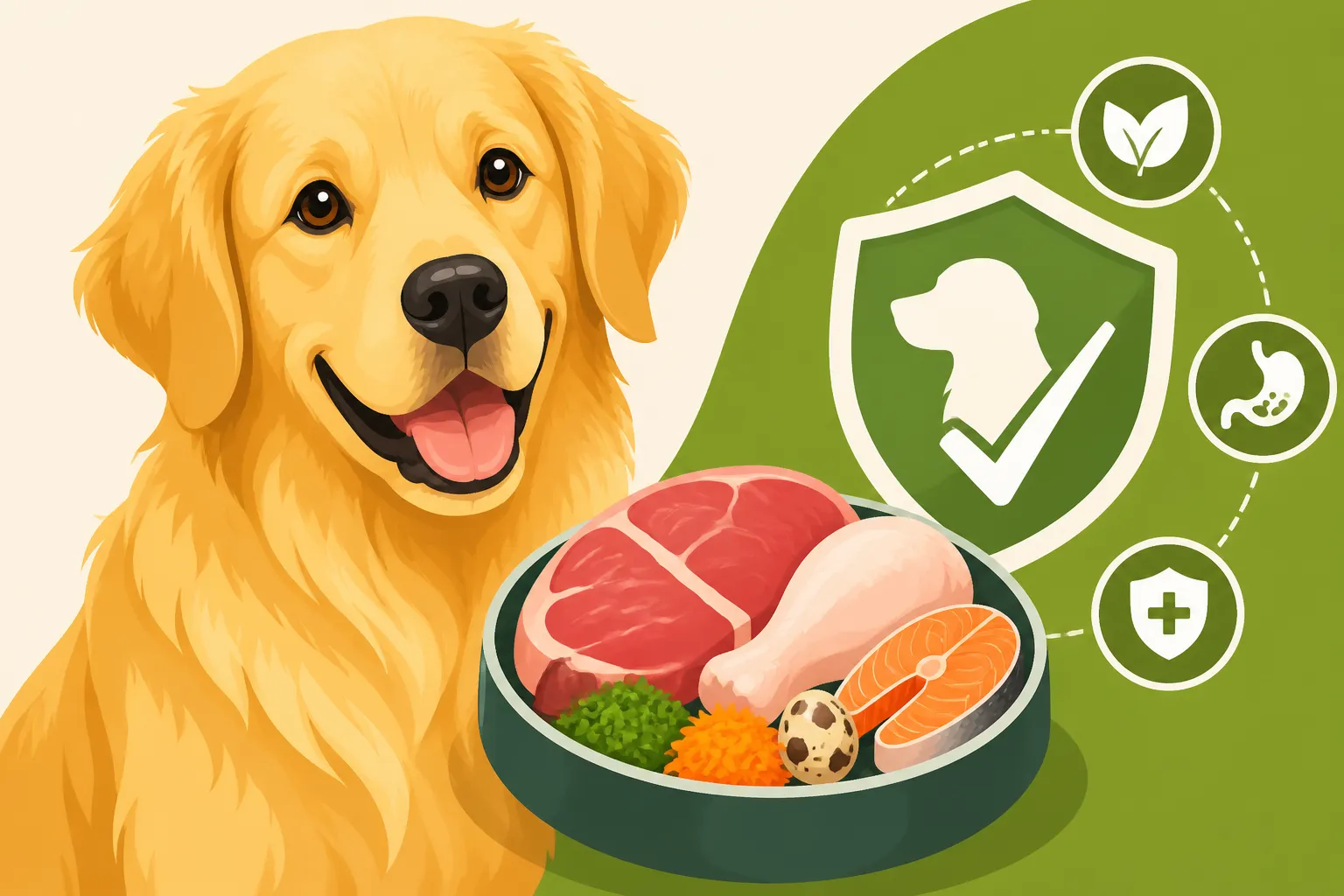
Raw Feeding a Golden Retriever Safely
There's a growing conversation among Golden Retriever owners, and honestly, it's one I hear a lot: "Should I feed my Golden a raw diet?" It's a natural question, especially when you see anecdotal evidence of shinier coats, cleaner teeth, and boundless energy in dogs on raw regimens. But beneath the exciting possibilities lies a minefield of potential pitfalls if not done correctly. This guide is here to walk you through the essential steps and crucial considerations for safely raw feeding your beloved Golden Retriever, helping you sort fact from fiction and truly understand what a balanced raw diet entails.
Understanding the "Raw" Philosophy for Golden Retrievers
The idea behind raw feeding isn't new; it's an attempt to go back to basics, to what dogs might have eaten before kibble became the norm. For a breed like the Golden Retriever, known for its robust health (and sometimes its sensitivities!), this concept can be particularly appealing.
What is a Biologically Appropriate Raw Diet?
At its heart, a biologically appropriate raw diet aims to mimic the ancestral diet of canids. Think about what a wild dog or wolf might eat: not just the muscle meat, but also the organs, the bone, and sometimes the stomach contents of their prey, which would include plant matter. It's about feeding food in its natural, uncooked state, preserving enzymes and nutrients that might be destroyed by heat processing.
When we talk about raw feeding for a Golden, this translates to a diet primarily composed of muscle meat, edible bones (never cooked!), and secreting organs like liver and kidney. Some raw feeders also incorporate a small percentage of pureed fruits and vegetables, though opinions vary on the necessity of this for carnivorous animals. The core principle is whole, unprocessed ingredients. This is a stark contrast to the highly processed, often extruded kibble that makes up the majority of commercial dog foods. Many kibbles are made by cooking ingredients at high temperatures, which can change the molecular structure of proteins and fats, and often requires synthetic vitamins and minerals to be added back in to make them nutritionally complete. For many Golden owners who are seeking to address health issues like Golden Retriever Skin, Ear and Allergy Problems or simply want to provide what they perceive as the most natural diet, this difference is key.
Why Golden Retriever Owners Consider Raw Feeding
Let's be real, seeing your Golden thrive is every owner's ultimate goal. The appeal of raw feeding often stems from a deep desire to provide the absolute best for our furry family members, especially when they're facing challenges. Many owners turn to raw diets after struggling with chronic issues that conventional diets haven't resolved. For instance, some report a significant improvement in their Golden's coat quality – from dull and dry to glossy and soft – along with less shedding. Others notice remarkable improvements in dental health, with plaque reduction attributed to the natural 'brushing' action of chewing raw meaty bones.
Digestive benefits are another common claim; owners often report smaller, firmer, and less odorous stools, indicating better nutrient absorption. Increased energy, improved stamina, and a general vibrancy are also frequently cited. It's not uncommon for owners whose Goldens have suffered from significant health issues, perhaps even facing concerns like Cancer in Golden Retrievers and Why the Breed Is Hit Hardest, to research every possible avenue to support their dog's well-being, and diet often comes to the forefront. The passion to give our Goldens the longest, healthiest life possible drives many to explore options outside the traditional kibble bag.
The Critical Risks and Challenges of Raw Feeding
While the potential benefits sound wonderful, it’s absolutely crucial to approach raw feeding with a clear understanding of the very real and significant risks involved. This isn't just about throwing some raw meat in a bowl; it requires diligent research, careful preparation, and often, professional guidance to avoid serious health repercussions for your Golden Retriever.
Pathogen Contamination: The Primary Concern
This is, without a doubt, the biggest elephant in the room when it comes to raw feeding. Raw meat, regardless of how fresh or human-grade it is, can carry harmful bacteria such as Salmonella, E. coli, Listeria, and Campylobacter. These pathogens can cause severe gastrointestinal illness in dogs, leading to vomiting, diarrhea, and in severe cases, even life-threatening conditions. What's more, these bacteria don't just pose a risk to your Golden; they can also be easily transferred to humans, especially those with compromised immune systems, the elderly, or young children.
Imagine preparing your Golden's raw meal on your kitchen counter, then accidentally using the same cutting board for your family's dinner without proper sanitization. Or think about your Golden licking your child's face after just finishing a raw meal. The risk of cross-contamination is high and ever-present. This means your kitchen hygiene practices need to become absolutely meticulous, more so than you might be used to. Every surface, bowl, and utensil that comes into contact with raw meat must be thoroughly cleaned and disinfected immediately after use. Improper handling and storage, such as leaving raw meat out too long or thawing it incorrectly, dramatically increase the chances of bacterial proliferation.
Nutritional Imbalance: A Silent Danger
Here's a hard truth: simply feeding your Golden Retriever raw chicken thighs and ground beef is NOT a balanced raw diet. This is a common and dangerous misconception. Dogs, like humans, require a precise balance of macro and micronutrients for optimal health. A raw diet must be formulated to meet these specific needs, and getting it wrong can lead to silent, long-term health problems.
For growing Golden Retriever puppies, nutritional balance is paramount. An incorrect calcium:phosphorus ratio, for instance, can lead to severe developmental orthopedic diseases. Imagine trying to set up your Golden puppy for success, only to inadvertently cause issues like Golden Retriever Hip and Elbow Dysplasia Explained down the line due to a diet lacking the right mineral balance. It's a heartbreaking thought, and entirely preventable with proper planning. Similarly, deficiencies in essential vitamins, minerals, or amino acids, or even excesses of certain nutrients, can impact everything from organ function to immune health. Many well-intentioned owners attempt DIY raw diets without fully understanding the complexities of canine nutrition, leading to diets that are often too high in fat, too low in calcium, or lacking in vital organ meats. This is why if you go the DIY route, veterinary nutritionist consultation isn't just a good idea; it's an absolute necessity.
Choking and Internal Damage from Bones
Bones are a contentious topic in raw feeding circles. While raw, meaty bones can provide essential calcium and phosphorus and offer dental benefits, not all bones are created equal, and some pose serious risks. Cooked bones are an absolute no-go; cooking makes bones brittle and prone to splintering, which can lead to choking, broken teeth, or internal perforations in your Golden Retriever's digestive tract.
Even raw bones need careful consideration. Weight-bearing bones from large animals (like beef femurs) are often too dense and hard, increasing the risk of dental fractures. Poultry bones, while generally softer, can still pose a choking hazard if given improperly or if your Golden is a gulper. The size and type of bone must be appropriate for your Golden's size and chewing style. A bone that's too small can be swallowed whole, causing a blockage, while one that's too large or too hard can damage teeth. Owners need to understand the difference between recreational bones (for chewing) and edible bones (which are consumed as part of the meal for nutritional value). Always supervise your Golden when they are eating bones, no matter how safe you think it is, because accidents can happen in an instant. This careful approach also extends to understanding specific questions like Whether Golden Retrievers Can Eat Chicken Bones safely, which often depends on preparation and supervision.
Implementing a Safe Raw Diet for Your Golden Retriever
So, you've weighed the pros and cons, and you're ready to explore raw feeding for your Golden. Great! But "safe" is the operative word here. This isn't a venture to embark on lightly. It demands commitment, knowledge, and a meticulous approach to ensure your Golden Retriever truly benefits.
Sourcing and Preparing Ingredients Safely
When it comes to raw feeding, how you source and prepare the food is just as important as what you feed. You essentially have two main paths: commercial raw or DIY raw.
Commercial Raw vs. DIY Raw
Commercial Raw Options: For many busy Golden Retriever owners, commercial raw diets offer a fantastic balance of convenience and safety. These diets are typically pre-portioned, often flash-frozen, and formulated to be complete and balanced by veterinary nutritionists. This means they meet the AAFCO (Association of American Feed Control Officials) nutritional guidelines, usually indicated by a statement like "formulated to meet the nutritional levels established by the AAFCO Dog Food Nutrient Profiles for all life stages" or a specific life stage. Brands like Ollie are great examples of services that deliver fresh, human-grade food directly to your door, some of which offer raw formulations. You can often find a wide variety of commercial raw foods, including freeze-dried and frozen patties or chubs, through online retailers like Chewy or Amazon, giving you plenty of choices without the guesswork of home formulation. This is often the recommended starting point for new raw feeders because it significantly reduces the risk of nutritional imbalance and pathogen exposure, provided you still follow safe handling guidelines.
DIY Raw Options: If you're considering the DIY route, let me be blunt: you absolutely must consult with a board-certified veterinary nutritionist. This isn't optional. Trying to formulate a complete and balanced raw diet on your own is incredibly complex and carries a high risk of creating nutritional deficiencies or excesses that can harm your Golden Retriever over time. A nutritionist can help you develop recipes that meet your Golden's specific needs, whether they're a growing puppy (where feeding amounts are critical, as discussed in How Much a Golden Retriever Puppy Eats at Eight Weeks) or a senior with unique dietary requirements. Safe sourcing for DIY means finding human-grade meat and organs from reputable butchers or suppliers. You need to ensure the meat hasn't been treated with additives unsafe for raw consumption.
Handling Hygiene
Regardless of whether you choose commercial or DIY raw, impeccable hygiene is non-negotiable. This is where you prevent the transfer of those nasty bacteria we talked about earlier.
- Dedicated Utensils and Surfaces: Designate specific cutting boards, knives, and bowls solely for your Golden's raw food. Keep them separate from your family's cooking items.
- Immediate Cleaning: As soon as your Golden finishes eating, clean their bowl with hot, soapy water. Wash your hands thoroughly with soap and water for at least 20 seconds after handling raw meat or raw food bowls.
- Sanitization: Regularly sanitize all surfaces that come into contact with raw food. A diluted bleach solution or a pet-safe disinfectant works wonders. Think of it like handling raw chicken for your family's dinner – but magnified, because your Golden's mouth might be on your hands or face in minutes!
- No Licking Rule: While it's hard to resist a Golden's sweet kisses, establishing a "no licking after raw meals" rule, especially for children, is a smart move.
Storage
Proper storage is key to preventing bacterial growth.
- Freezing: Raw meat should be stored frozen until ready to use. Freezing can help kill some parasites, but it won't eliminate all bacteria.
- Thawing: Thaw raw food in the refrigerator, never on the counter. Once thawed, use it within a day or two. Portioning meals before freezing can make thawing more convenient and reduce waste.
Ensuring Nutritional Completeness
Achieving nutritional completeness in a raw diet, particularly if you're going the DIY route, is the cornerstone of responsible raw feeding. It’s not just about giving them meat; it’s about providing everything their body needs to thrive.
Balance Over Time
A common misconception is that every single meal needs to be perfectly balanced. In reality, with a DIY diet, balance is often achieved over a period of days or even a few weeks, reflecting a more natural "feast or famine" pattern. However, this still requires meticulous planning to ensure all required nutrients are eventually provided. Commercial raw diets, on the other hand, are typically balanced in each meal or daily serving. When looking at labels, ensure the product states it is "complete and balanced" according to AAFCO guidelines, especially for Feeding a Golden Retriever Through Every Life Stage.
The 80/10/5/5 Rule (for DIY)
This is a widely used guideline for formulating DIY raw diets, though variations exist and a nutritionist can fine-tune it:
- 80% Muscle Meat: This is the bulk of the diet, providing protein and fat. Examples include chicken, beef, turkey, lamb, and venison. You want a variety of meats from different animals to provide a broader spectrum of nutrients.
- 10% Edible Bone: This is crucial for calcium and phosphorus. Examples include chicken necks, backs, wings, and feet, or turkey necks. Remember, these must be raw and appropriate for your Golden's size to prevent choking. Never cooked bones!
- 5% Liver: Liver is a powerhouse of vitamins (especially A, B, and D) and minerals. It's so nutrient-dense that too much can be harmful, so sticking to this small percentage is vital.
- 5% Other Secreting Organs: This includes organs like kidney, spleen, pancreas, and sometimes brain. These provide a diverse range of micronutrients not found in muscle meat. Heart, while an organ, is considered muscle meat in this ratio due to its composition.
Some DIY feeders also add a small amount (5-10%) of pureed vegetables and fruits for fiber, antioxidants, and additional vitamins. However, this needs to be carefully considered with a nutritionist, as dogs don't digest plant matter as efficiently as carnivores. For commercial raw foods, these ratios are already handled for you, often including appropriate plant matter if desired.
Regular Vet Check-ups
Even with a perfectly formulated raw diet, regular veterinary check-ups are non-negotiable. This is particularly important for Goldens, who are predisposed to certain health conditions. Your vet can monitor your Golden's overall health, body condition, and look for any subtle signs of nutritional imbalance. This includes running blood tests and urinalysis, especially as part of their routine Why Goldens Need Vet Visits Twice a Year. These tests can reveal deficiencies or excesses before they manifest as clinical signs, allowing you to adjust the diet as needed. Don't be afraid to discuss your feeding choices with your vet. While some vets may be skeptical of raw diets due to the risks they've seen, a good vet will work with you to ensure your Golden is healthy, regardless of the feeding method, especially if you present a well-researched, safely implemented plan.
Transitioning Your Golden Retriever to Raw
Switching any dog's food, let alone to a raw diet, needs to be a gradual process to avoid upsetting their digestive system. Imagine suddenly changing your own diet entirely overnight – your stomach wouldn't be too happy! Your Golden's digestive system needs time to adjust to new proteins, fats, and the absence of carbohydrates they might be used to. This is especially true for Goldens, who can sometimes have sensitive stomachs.
The key here is patience and observation. There are a few common transition methods, and what works best can vary from dog to dog. One popular method involves a 'cold turkey' switch where you simply stop the old food and start the new, but this is usually only recommended for dogs with very robust digestive systems and is riskier. A more commonly advised approach, especially if your Golden has shown any digestive sensitivities, is a gradual transition.
You can start by offering a small amount of the new raw food alongside their regular meal, gradually increasing the raw portion over several days to a week or more. Some owners prefer to feed meals of entirely raw or entirely old food at separate times during the day. For example, if your Golden usually eats twice a day, you might give them their usual kibble in the morning and a small raw meal in the evening. Over time, you'd increase the raw portion and decrease the kibble. This method gives their system time to adapt.
During this transition, you'll want to closely monitor your Golden's stool, energy levels, and appetite. Loose stools are common initially, but persistent diarrhea or vomiting are signs to slow down the transition or consult your vet. They may also experience a "detox" phase, with increased shedding or paw licking, though scientific evidence for this is largely anecdotal. Remember, the goal is a smooth, stress-free transition that leads to a healthy, happy Golden. For more general advice on making dietary changes, you might find tips in Switching a Golden Retriever's Food Without Upset helpful.
Common Concerns and Best Practices
Raw feeding, while potentially beneficial, is also a topic that generates a lot of discussion and, frankly, some strong opinions. Navigating these conversations and ensuring you're doing what's best for your Golden means staying informed and proactive.
Addressing the Skepticism of Some Vets
It's a common scenario: you're excited about your Golden's new raw diet, only for your veterinarian to express concern, or even strong disapproval. This can be incredibly frustrating and confusing! It's important to understand where this skepticism often comes from. Many veterinarians are wary of raw feeding due to the potential risks of pathogen contamination and, especially, the high incidence of nutritionally unbalanced homemade diets they see in practice. They're trained in evidence-based medicine and often have concerns about the lack of rigorous scientific studies supporting many of the claims made about raw feeding, particularly for DIY diets. They've also seen the disastrous consequences of improper raw feeding, such as severe bone fractures from inappropriate bones or developmental issues in puppies due to nutrient deficiencies.
Instead of getting defensive, approach the conversation collaboratively. Be prepared to explain how you are raw feeding – whether it's a commercially balanced diet or a DIY diet formulated with a certified veterinary nutritionist. Share the specific product you're using or the nutritionist's plan. This demonstrates you've done your homework and are committed to safety. If your current vet is entirely closed off to the discussion, consider seeking a second opinion from a veterinarian who is open to discussing alternative nutrition, or even better, a board-certified veterinary nutritionist. These specialists have advanced training in animal nutrition and can provide data-driven guidance specific to your Golden's needs. The goal is a partnership to ensure your Golden's health, not an argument.
Hygiene in a Multi-Pet or Child Household
When you have a household buzzing with other pets or, even more critically, small children, the hygiene aspect of raw feeding takes on an even greater importance. Goldens are known for being wonderful family dogs, often interacting closely with everyone, which makes preventing cross-contamination absolutely vital.
Think about your little ones crawling on the floor where your Golden just finished their meal, or the cat trying to sneak a nibble from the dog's bowl. Pathogens from raw meat can easily spread.
Here are some best practices:
- Designated Feeding Area: Create a specific feeding zone for your Golden, ideally in an easy-to-clean area like a kitchen with tile floors or even outdoors. Keep other pets and children away during meal times.
- Immediate Cleanup: As soon as your Golden finishes eating, pick up their bowl and immediately clean any dropped food particles. Hot, soapy water for bowls and a pet-safe disinfectant for floors are your best friends.
- Separate Bowls: If you have multiple dogs, ensure each Golden (or other dog) has its own bowl and they don't share, especially after a raw meal.
- Handwashing for Everyone: This is crucial. Everyone in the household, particularly children, needs to understand the importance of washing hands thoroughly after petting the dog, especially after they've eaten a raw meal.
- Prevent Licking: Try to discourage your Golden from licking faces, especially those of children, right after eating raw food. A quick wipe of their muzzle after meals can help.
- Separate Storage: Store raw pet food entirely separate from human food in your refrigerator or freezer to prevent accidental cross-contamination.
Being diligent with these practices reduces the risk not only to your Golden but to every member of your household.
Financial and Time Commitment
Let's be realistic: raw feeding can be a significantly bigger investment in both time and money than simply scooping kibble from a bag. This is a practical consideration for many Golden Retriever owners, especially when you're already factoring in other expenses like vet care, grooming, and training. For those budgeting for a Golden, this upfront understanding is crucial; you might find resources like The Real Cost of a Golden Retriever's First Year helpful for a broader financial perspective.
Financial Commitment:
- Higher Ingredient Costs: Raw meat, particularly human-grade, can be considerably more expensive than commercial kibble. If you're going the DIY route, sourcing a variety of muscle meats, organs, and bones from reputable suppliers or butchers can add up quickly.
- Commercial Raw Premiums: Pre-made, nutritionally balanced commercial raw diets offer convenience but often come with a higher price tag per serving. While services like Ollie and products on Chewy and Amazon offer solutions, they reflect the cost of quality ingredients, formulation, and preparation.
- Equipment Costs: You might need additional freezer space for bulk buying, extra stainless steel bowls, and dedicated cutting boards and knives for hygienic preparation.
- Vet Nutritionist Fees: If you're doing DIY, consulting a board-certified veterinary nutritionist will incur professional fees, but it's an invaluable investment in your Golden's health and safety.
Time Commitment:
- Preparation Time: For DIY feeders, this is a significant time commitment. It involves sourcing ingredients, weighing them out according to your nutritionist's plan, grinding or chopping, and portioning meals. Even with commercial raw, you still need to thaw meals and ensure hygienic practices.
- Learning Curve: There's a definite learning curve to understanding canine nutrition, safe handling, and monitoring your Golden's response to the diet.
- Monitoring and Adjusting: You'll need to regularly observe your Golden for signs of optimal health or potential issues, and be prepared to make adjustments to the diet based on their needs or vet recommendations.
While the financial and time investment is real, for many Golden Retriever owners, the perceived benefits in their dog's health and vitality make it a worthwhile commitment. It's about going in with open eyes and a prepared mind.
| Feature | Commercial Raw | DIY Raw |
|---|---|---|
| Nutritional Balance | Generally complete & balanced (AAFCO standards) | Requires expert formulation (vet nutritionist) to ensure completeness |
| Preparation Effort | Low (thaw & serve) | High (sourcing, weighing, chopping, mixing, portioning) |
| Cost | Higher per serving, but convenient | Potentially lower per pound for bulk, but requires time and knowledge |
| Ingredient Sourcing | Handled by manufacturer, quality control | Owner responsible, critical to choose reputable, human-grade suppliers |
| Risk of Imbalance | Low, if product is AAFCO compliant | High, without professional guidance |
| Hygiene Challenge | Still requires strict handling, but less food contact | Requires meticulous hygiene for all raw ingredients |
| Flexibility | Limited to product options | Highly customizable to specific needs (with professional guidance) |
Disclaimer
This article is for general informational purposes only and does not constitute professional advice. Laws, prices and regulations vary by location and change over time. Consult a qualified professional for guidance on your specific situation.