When a Golden Retriever Can Start Running With You
It’s a truly exhilarating feeling when you picture yourself out on the trails or pavement, a majestic Golden Retriever loping happily by your side. You look at your energetic puppy, all bouncy enthusiasm and boundless joy, and you can’t help but dream of those future adventures. But then the nagging question sets in: when is it actually safe to start running with them? The truth is, jumping into high-impact activities too soon can have devastating, lifelong consequences for a Golden Retriever’s developing body, and it's a mistake many well-meaning owners unknowingly make. This comprehensive guide will walk you through everything you need to know about your Golden’s physical development, when it’s truly safe to lace up those running shoes together, and how to nurture their athleticism responsibly for a lifetime of happy, healthy movement.
Understanding Golden Retriever Growth Plates and Joint Development
The eager anticipation of running with your Golden Retriever is completely natural, given their athletic build and love for activity. However, what often isn't immediately obvious is the intricate process of bone development happening beneath all that adorable puppy fluff. Goldens, like other large and giant breeds, mature at a slower rate than smaller dogs, and respecting this timeline is absolutely crucial for their long-term joint health.
The Critical Role of Growth Plates
Think of growth plates, or physes, as soft, cartilaginous areas located near the ends of a puppy's long bones – like those in their legs. These plates are literally where bone growth happens, expanding over time until they gradually harden and close, becoming solid bone. For a Golden Retriever puppy, these growth plates are incredibly vulnerable. They're weaker than the surrounding ligaments, tendons, and even the bone itself. This means that any excessive stress or repetitive impact can cause damage to these delicate structures.
If a growth plate is injured, it can fuse prematurely, or heal unevenly. Imagine trying to build a tall, sturdy building, but the foundation is still soft and easily damaged. If you put too much weight or pressure on it, you risk uneven settling, cracks, or even a complete collapse. This is similar to what happens with growth plates. If one side of a growth plate fuses faster than the other, it can lead to a limb that grows crooked or is shorter than its paired limb, setting the stage for significant mobility issues and pain down the road. Golden Retrievers are particularly prone to genetic joint conditions like hip and elbow dysplasia, so protecting their developing joints is paramount.
Why Forced Exercise is Risky for Puppies
When we talk about "forced exercise," we mean activities that involve sustained, repetitive impact, like long-distance running, intense jumping, or even excessively long walks that push a puppy beyond their natural inclination to play and rest. A young Golden Retriever puppy might seem to have endless energy, bouncing and playing with gusto. However, their enthusiasm can easily mask the stress their still-forming joints are enduring. They're driven by instinct and excitement, not an awareness of physiological limits.
Engaging in high-impact activities before their growth plates are fully closed puts immense strain on these vulnerable areas. The constant pounding and twisting motions can cause microtraumas or even severe damage. This isn't about preventing your puppy from playing; it's about being mindful of the type and duration of activity. An hour-long run might be perfectly fine for an adult Golden, but for a 6-month-old puppy, it's a recipe for potential disaster. The consequences can be heartbreakingly real, manifesting as early-onset arthritis, chronic lameness, or exacerbating genetic predispositions to conditions like Golden Retriever Hip and Elbow Dysplasia Explained. Preventing these issues starts with careful management during their critical growth phases, setting them up for a life free from preventable joint pain.
The Recommended Age for Starting High-Impact Activities
It's tough to be patient when you have such an active, eager companion, but patience truly is a virtue when it comes to a Golden Retriever's physical development. Understanding the recommended timeline for introducing high-impact activities isn't about being overly cautious; it's about being responsible stewards of their health and well-being.
The "Wait Until Two" Rule of Thumb
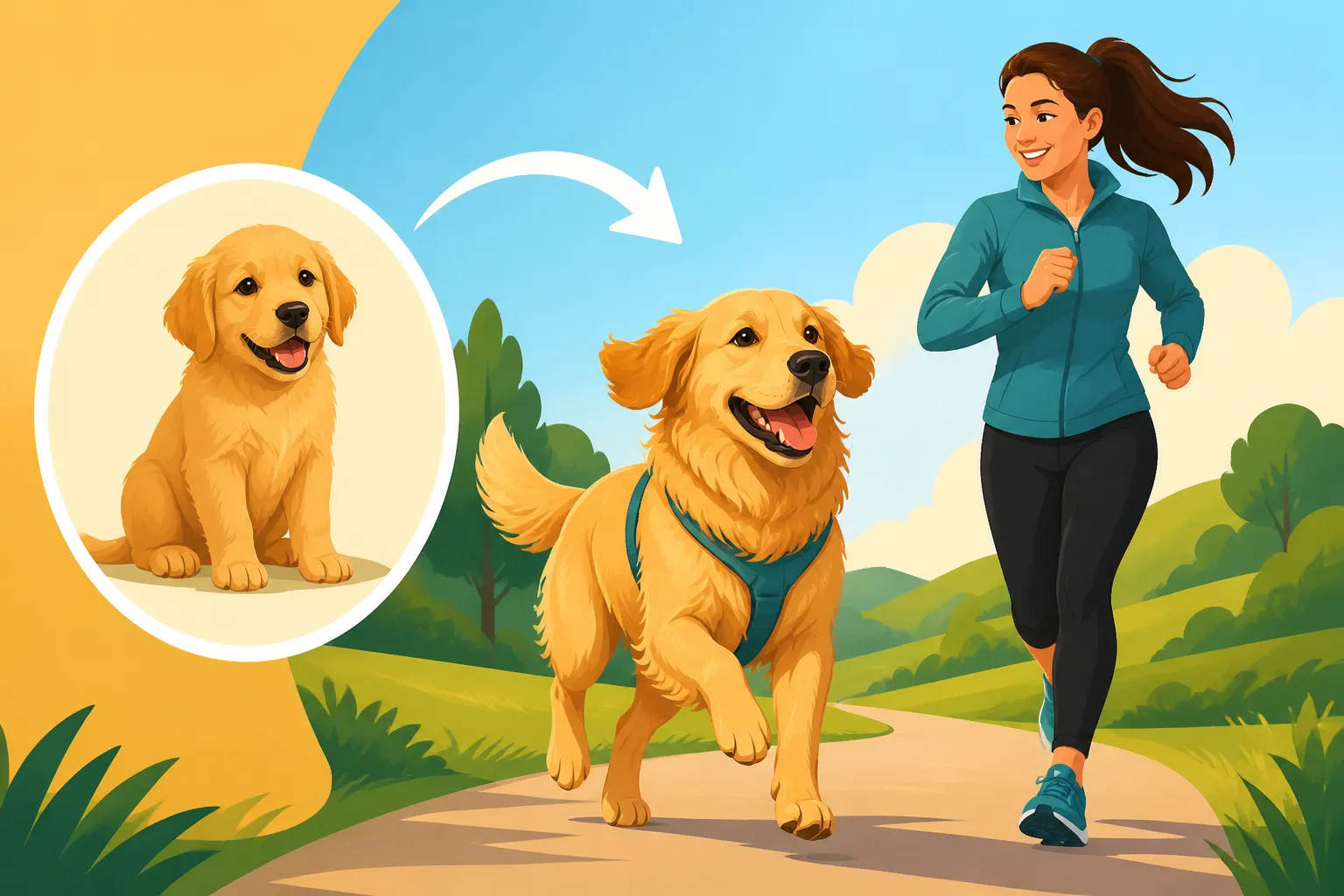
The consensus among veterinarians and experienced Golden Retriever breeders is to wait until your Golden is at least 18 months to 2 years old before regularly engaging in sustained, high-impact activities like running, jogging, or competitive sports like agility. Why this specific age? It's directly tied to the closure of their growth plates. While many growth plates begin to close around 12 to 14 months in large breeds, some, particularly those in the elbow and shoulder, might not fully fuse until 18 to 24 months. You can learn more about this process in our article, When a Golden Retriever's Growth Plates Close.
Waiting until their skeletal system is fully mature significantly reduces the risk of injury to those delicate growth plates. Beyond the bones, their muscles, ligaments, and tendons also need time to strengthen and develop properly to support rigorous activity. Starting too early, even if they seem capable, means you're asking immature structures to withstand forces they're not yet designed for. Think of it like a young sapling versus a mature oak; one can withstand a strong wind, the other is still too flexible and vulnerable. By waiting, you’re investing in years of healthy activity rather than risking a lifetime of pain and costly interventions like those sometimes needed for Golden Retriever Arthritis and Joint Decline.
Gradual Introduction and Conditioning
Once your Golden Retriever hits that two-year mark (or your vet gives the green light after a thorough examination), it's not a free pass to immediately embark on a marathon. The introduction of running should be a slow, methodical process, much like how a human athlete trains. You need to condition their body gradually, building up stamina and strength.
Start with short, easy jogs on soft surfaces like grass or dirt trails, avoiding hard pavement initially. Think about a five to ten-minute light jog, followed by a walk. Over several weeks, you can slowly increase the duration and intensity, paying close attention to your dog for any signs of fatigue or discomfort. Just like us, dogs need warm-up and cool-down periods. A brisk walk for 5-10 minutes before and after a run helps prepare their muscles and prevent injury. Hydration is also key; always carry water for both of you.
Observe your Golden closely during and after your runs. Are they lagging behind? Are they limping or showing stiffness? Are they reluctant to go on future runs? These are all signals that you might be pushing them too hard, too fast. It's a dance of listening to their body and adjusting accordingly. Remember, even once they're fully grown, regular check-ups with your vet are essential to monitor their joint health and ensure they can continue their active lifestyle safely.
Safe Exercise Alternatives for Growing Golden Retrievers
Just because high-impact running is off the table for young Goldens doesn't mean they should be couch potatoes. Far from it! Golden Retrievers are intelligent, energetic dogs who thrive on activity and engagement. The key is choosing appropriate activities that support their development without risking injury.
Appropriate Puppy Exercise
For Golden Retriever puppies, the best exercise is free play and controlled, low-impact activities. Think about what a puppy would naturally do: short bursts of running, wrestling with littermates (or you!), and then collapsing for a nap. This kind of intermittent, self-regulated activity is ideal.
Here are some excellent options:
- Controlled Walks: Short walks on a leash, perhaps 15-20 minutes, a couple of times a day. Let them sniff and explore. Avoid long, forced marches. The general rule of thumb for puppies is 5 minutes of exercise per month of age, twice a day. So, a 4-month-old puppy might get two 20-minute walks. This is thoroughly explored in our article, Exercise Limits for a Golden Retriever Puppy.
- Playtime in the Yard: Supervised play in a secure yard, chasing a ball for short periods, or engaging in gentle tug-of-war. Ensure the ground is even to prevent twists and falls.
- Swimming: This is an incredible low-impact exercise for Goldens of all ages, and many of them absolutely adore it. It builds muscle without stressing joints. Start in shallow, calm water and always supervise closely, perhaps even with a life vest for beginners. Ensure easy entry and exit points.
- Puppy Classes: These are fantastic for both physical and mental stimulation, allowing puppies to play safely with their peers and learn basic obedience in a controlled environment. This also contributes to crucial Golden Retriever Puppy Socialization Windows.
- Fetch (Controlled): Short sessions of fetch on a soft surface can be great, but avoid endless repetitions or high-flying jumps. Keep it gentle.
These activities promote healthy muscle development, build coordination, and satisfy their need for mental and physical engagement without putting undue stress on their developing growth plates.
Mental Enrichment and Training
It’s a common misconception that an exhausted dog is a happy dog. While physical exercise is vital, mental enrichment is equally important, especially for a smart breed like the Golden Retriever. A mentally stimulated puppy is often a calmer, more content puppy, and it helps bridge the gap until they can participate in higher-impact physical activities.
- Puzzle Toys and Treat Dispensers: Products found on platforms like Chewy or Amazon, such as KONGs stuffed with peanut butter or interactive feeders, can keep a Golden Retriever puppy occupied and thinking for extended periods. This tires their brain, which is just as effective as tiring their body.
- Obedience Training: Daily training sessions, even short ones of 5-10 minutes, are incredibly beneficial. Teaching new commands, practicing existing ones, and working on polite manners provides structure and mental challenge. Goldens are eager to please and love to learn, so positive reinforcement training is very rewarding for them.
- Scent Games: Hiding treats around the house or yard and encouraging your Golden to "find it" engages their powerful sense of smell and provides a fun mental workout.
- Socialization: Exposing your puppy to new sights, sounds, people, and friendly vaccinated dogs (in controlled settings) helps them develop into a well-adjusted adult. This is mental work just as much as it is social.
By focusing on a blend of safe physical activities and robust mental enrichment, you can ensure your growing Golden Retriever stays happy, healthy, and well-behaved, patiently waiting for the day their bones are strong enough to hit the running trails with you. You might also consider exploring fresh food options, like those offered by Ollie, as part of a balanced diet to support their overall growth and development, ensuring they get all the nutrients they need during these crucial early years.
Signs Your Golden Retriever Might Not Be Ready or Is Overdoing It
Even with the best intentions and adherence to age guidelines, every dog is an individual. It's crucial to be a vigilant observer of your Golden Retriever's body language and behavior. They can't tell you in words if something hurts, so it's up to us to interpret their cues.
Watching for Signs of Discomfort
When you start introducing more vigorous exercise, or even during regular play, keep a close eye on your Golden for any changes that might indicate pain, fatigue, or injury. These signs can be subtle, especially in a breed as stoic and eager to please as a Golden. They might try to push through discomfort to keep up with you.
Look out for these red flags:
- Limping or Favoring a Leg: This is perhaps the most obvious sign. Even a slight head bob or an uneven gait warrants immediate attention.
- Stiffness or Reluctance to Move: Do they struggle to get up after resting? Are they hesitant to jump into the car or onto furniture (if allowed)?
- Changes in Gait: Are they "bunny hopping" with their back legs (a common sign of hip discomfort)? Do their legs seem to cross or move awkwardly?
- Slowing Down or Lagging Behind: If they normally keep pace easily but are now dragging, it's a sign they're overexerted or in pain.
- Excessive Panting or Drooling: Beyond what's normal for the temperature and activity level, this could indicate overheating or stress. Remember, Goldens can be prone to Golden Retriever Heat Tolerance and Overheating.
- Whining, Crying, or Increased Licking: These are clear vocal or behavioral indicators of pain. They might incessantly lick a specific joint or paw.
- Personality Changes: Are they unusually grumpy, withdrawn, or unwilling to engage in activities they normally love? Pain can alter a dog's temperament.
- Loss of Appetite: Sometimes, pain or stress can lead to a reduced desire to eat.
- Swelling or Warmth in a Joint: Gently feel their joints after activity; any abnormal swelling or warmth could indicate inflammation.
If you notice any of these signs, stop the activity immediately and rest your dog. If symptoms persist or worsen, it's time for a vet visit. It's better to be overly cautious than to let a minor issue become a chronic problem. For a deeper dive into recognizing subtle pain, check out Quiet Signs a Golden Retriever Is Hurting.
The Importance of Vet Consultations
Your veterinarian is your most valuable partner in ensuring your Golden Retriever's long-term health, especially concerning their joints. Before you even consider embarking on a running routine, schedule a comprehensive check-up.
Discuss your plans with your vet. They can assess your Golden's overall physical condition, check their joint health, and provide personalized advice based on their individual development. They might even recommend specific imaging, like X-rays, if there's any concern about joint integrity, especially if their lineage has a history of hip or elbow dysplasia. This is also a good opportunity to ask about appropriate joint supplements, like glucosamine and chondroitin, which can be beneficial for large breeds once they are past the puppy stage and engaging in more activity. You can often find a good selection of these on Chewy or Amazon.
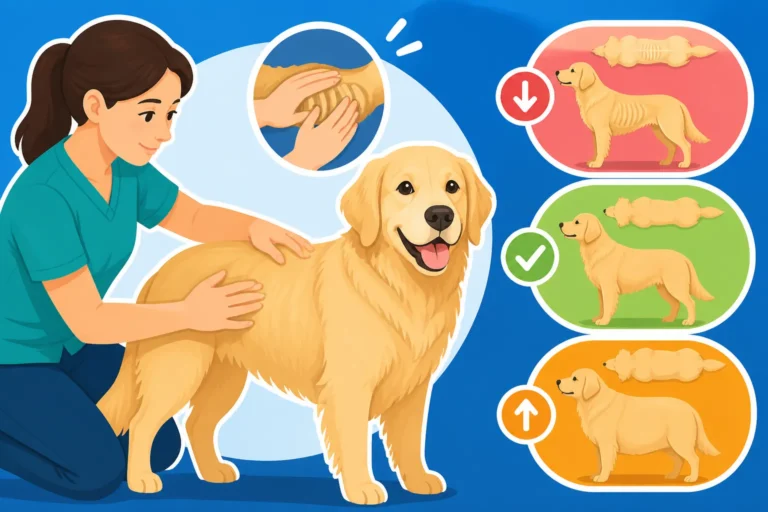
Regular vet visits are crucial as your Golden ages. An annual or even twice-yearly check-up allows your vet to monitor their joint health, catch any issues early, and recommend adjustments to their diet or exercise routine as needed. They can also discuss appropriate Golden Retriever Weight and Joint Damage and help you maintain an ideal body condition score, which is paramount for preventing excessive strain on their joints throughout their life.
Here's a quick reference table for safe activities by age:
| Age of Golden Retriever | Recommended Activities (Low-Impact) | Activities to AVOID (High-Impact/Repetitive) | Key Considerations |
|---|---|---|---|
| 8 weeks – 6 months | Short, frequent, leash-controlled walks (5 min/month of age) | Long jogs, forced running, jumping from heights, intense agility, long hikes | Focus on free play, socialization, basic obedience. Keep walks short and frequent. |
| Supervised free play in a safe, enclosed area | Growth plates are wide open and very vulnerable. | ||
| Puppy classes, gentle tug-of-war, puzzle toys | |||
| 6 months – 12 months | Longer controlled walks (up to 30-40 mins, 1-2 times daily) | Long-distance running, intense agility, repetitive jumping | Continue to avoid forced, repetitive impact. Monitor energy levels and discomfort. |
| Light hiking on even terrain, introduction to swimming | Growth plates are closing but not fully fused in many areas. | ||
| Continued obedience and mental training | |||
| 12 months – 18 months | Moderate-length walks/hikes (45-60 mins), increased swimming | Marathon running, competitive agility, extensive fetch with hard stops/starts | Some growth plates may still be closing. Vet consultation highly recommended. |
| Introduction to short bursts of trotting/jogging (on soft surfaces) | Focus on building endurance and muscle tone with low-impact options. | ||
| 18 months – 2 years+ | Gradual introduction to running/jogging, agility training | Immediately jumping into intense activities without conditioning | Most growth plates are closed. Begin conditioning slowly. Vet approval is ideal. |
| Field work, competitive obedience, longer hikes | Monitor for signs of fatigue or pain. Continue joint health maintenance. |
Bringing a Golden Retriever into your life is a commitment to their well-being, and that includes protecting their precious joints. While their boundless energy and happy demeanor can make it tempting to dive into vigorous exercise early on, remember that patience truly is a virtue. By understanding their unique growth timeline, offering appropriate low-impact activities, and listening to their subtle cues, you’ll foster a strong, healthy body that can enjoy years of happy runs and adventures by your side. It’s an investment in their future, ensuring they remain that joyful, loping companion for a long, wonderful life.
Disclaimer
This article is for general informational purposes only and does not constitute professional advice. Laws, prices and regulations vary by location and change over time. Consult a qualified professional for guidance on your specific situation.