Fetch Games That Tire a Golden Retriever
If you've ever lived with a Golden Retriever, you know they possess an incredible amount of energy, a playful spirit, and a deep-seated desire to please. While walks are great, sometimes it feels like they need more than just a stroll around the block to truly get those wiggles out. This guide is all about harnessing that natural enthusiasm through fetch, exploring various games, training tips, and safety considerations to ensure your Golden gets the mental and physical workout they truly need, leaving them happy, healthy, and delightfully tired.
Why Fetch is a Golden Retriever's Favorite Workout
Golden Retrievers were quite literally bred for retrieving. It's in their name, in their history, and ingrained in their very DNA. This isn't just a fun pastime for them; it's an instinctual drive that, when properly channeled, provides an unparalleled form of exercise and mental stimulation. Ignoring this powerful drive can sometimes lead to bored, destructive, or overly energetic behavior in your beloved companion.
The Instinctive Drive to Retrieve
Think about the origins of the Golden Retriever. They were developed in Scotland in the mid-19th century by Lord Tweedmouth to retrieve game birds, both on land and in water. This required a dog with an excellent nose, a "soft mouth" to carry prey without damaging it, an eagerness to please, and boundless stamina. When you throw a ball or a dummy for your Golden, you're tapping into centuries of selective breeding. That intense focus as they watch the object fly, the explosive sprint, the careful pick-up, and the triumphant return—it's all part of their genetic makeup. For many Goldens, this isn't just a game; it's fulfilling their purpose, even if the "prey" is just a tennis ball. This instinct makes fetch uniquely satisfying for them in a way that other forms of exercise might not be.
Mental Engagement Through Play
Beyond the physical exertion, fetch offers significant mental stimulation. It’s not just about running; it’s about focus, anticipation, problem-solving, and following cues. A good game of fetch involves more than just throwing an object repeatedly. It can incorporate waiting, searching, and understanding commands like "drop it" or "leave it." This mental engagement is crucial for a well-rounded dog. A Golden Retriever who is physically tired but mentally under-stimulated can still find ways to get into trouble. Fetch, especially when varied, challenges their minds by asking them to pay attention, react, and make decisions, which helps tire them out more effectively than just a physical sprint alone. It can even reinforce their training for things like Building Reliable Recall in a Golden Retriever, making them more responsive in other situations.
Setting Up for Success: Essential Fetch Gear and Environment
To make fetch effective and enjoyable, you need the right tools and a safe space. Just grabbing any old toy and heading out isn't always the best strategy, especially with a powerful and enthusiastic breed like a Golden Retriever. Careful planning can prevent frustration for both you and your dog, and ensure the game is as tiring as it is fun.
Choosing the Right Toys for Your Golden
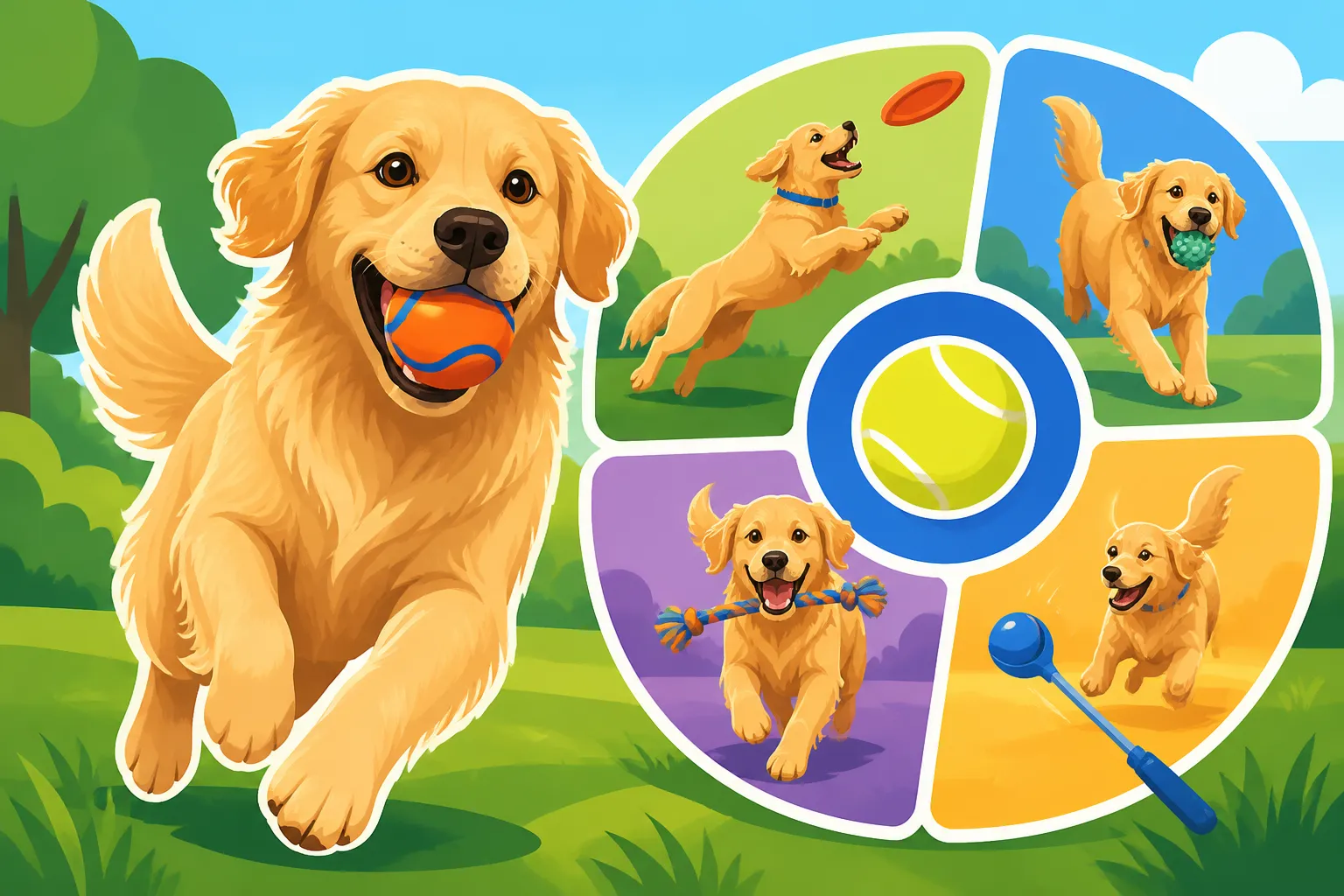
Not all fetch toys are created equal, especially for a Golden Retriever's strong jaws and retrieving style. A flimsy tennis ball might last ten minutes, or worse, splinter and become a choking hazard. Look for durable, dog-specific toys made from robust rubber or high-quality, non-toxic materials. Brands like Kong or Chuckit! offer excellent options that stand up to enthusiastic chewing and fetching. Consider balls, frisbees (soft, flexible ones are often safer for their mouths than hard plastic), or even retrieving dummies designed for dog training. Some Goldens even enjoy carrying oversized, soft plush toys during fetch, provided they aren't prone to shredding and ingesting the stuffing. Always ensure the toy is an appropriate size – too small and it's a choking hazard, too large and it might be uncomfortable to carry. You can find a wide variety of these durable toys on platforms like Amazon.
| Toy Type | Best Use Case | Durability | Safety Notes |
|---|---|---|---|
| Rubber Balls | High-speed fetch, water play | High | Ensure size is appropriate, avoid cheap thin rubber |
| Soft Frisbees | Mid-distance throws, gentle catch | Medium-High | Look for flexible, non-toxic plastic; avoid hard plastic |
| Training Dummies | Instills retrieving, scent work | Medium-High | Often fabric or canvas; great for land and water |
| Rope Toys | Tug-and-fetch, stronger grip | Medium | Supervise to prevent ingestion of strands |
| Plush Toys | Gentle retrieve, indoor play | Low-Medium | Not for aggressive chewers; stuffing is a hazard |
Ideal Play Spaces for Fetch
A wide, open, and safe space is paramount for a good game of fetch. A securely fenced yard is ideal, offering freedom without the risk of your Golden running off. If you don't have a fenced yard, a large, open park area where dogs are allowed off-leash and there's minimal traffic is the next best thing. Always be mindful of your surroundings:
- Surface: Grass is preferable to concrete or asphalt, which can be hard on their joints and cause paw pad abrasions, especially during repeated sprints and sudden stops. Hot pavement is a huge no-go.
- Obstacles: Ensure the area is free of hazards like broken glass, sharp objects, steep drops, or dense underbrush where a toy (or your dog) could get lost or injured.
- Water Access: Many Goldens absolutely adore water! If there's a safe pond or lake nearby, incorporating water retrieves can be an excellent way to add variety and further exhaust their energy, especially on warmer days. Just make sure the water is clean and still, without strong currents or dangerous wildlife. Remember to dry their ears thoroughly after swimming to prevent ear infections.
A designated dog park can work, but be cautious of other dogs' temperaments and ensure your Golden has good recall and social skills. If your dog isn't great at Golden Retrievers With Other Dogs at the Park, a private, empty field might be better for focused play.
Beyond Basic Throw-and-Retrieve: Advanced Fetch Games
While a simple game of throwing the ball can be fun, adding complexity to fetch can engage your Golden Retriever's mind even further, leading to a more satisfying and tiring play session. These advanced techniques turn fetch from a mere physical activity into a true mental workout, tapping into their intelligence and natural instincts.
Multiple Item Fetch
This game is fantastic for Goldens with a strong retrieving drive and good "drop it" skills. Instead of just one ball, use several. Start by throwing one, letting your dog bring it back. As they approach, throw a second one in a different direction. The idea is to keep them moving, thinking, and choosing which item to retrieve next. Some Goldens will even try to carry two at once!
The real challenge comes when you introduce a "waiting" component. Have them sit and stay, then throw two or three items. Release them with a command like "fetch!" and watch them decide their strategy. Do they grab the closest one? The favorite one? This adds a layer of decision-making that is incredibly engaging. It also works on impulse control, which is a key part of any good training regimen. This kind of nuanced training can be further refined with online courses like those offered by BAXTER & Bella, which teach core obedience and communication skills crucial for more complex games.
Hide-and-Seek Fetch
Goldens have excellent noses and love to use them! Hide-and-seek fetch leverages their natural scenting abilities, turning fetch into a treasure hunt. Start simple: have your Golden "stay" (or have a helper hold them) while you hide a favorite toy just out of sight behind a bush or under a patio chair. Then release them with a command like "find it!" or "seek!"
As they get better, increase the difficulty:
- Longer distances: Hide the toy further away.
- More complex hiding spots: Under a pile of leaves, behind a tree, even partially buried in loose dirt (though be prepared for a dirty dog!).
- Indoor versions: Hide toys in different rooms, under blankets, or behind furniture. This is an excellent way to provide Mental Enrichment for a Bored Golden Retriever on a rainy day or when outdoor play isn't possible. The joy on their face when they discover their "prey" is absolutely priceless and deeply rewarding for them.
Fetch with Obstacles
This isn't about setting up an agility course (though Goldens often excel at those too!). It's about incorporating natural elements of your play space to make the retrieve more dynamic. For instance, if you have a gentle slope in your yard, throw the ball uphill. Your Golden gets an extra workout battling gravity on the way up and a fun roll on the way down.
- Through (safe) obstacles: Throw the ball to land just beyond a fallen log they have to jump over, or behind a sturdy, low fence they need to navigate around.
- Varying surfaces: If your play area has both grass and a sandy patch, throw the ball to land in the sand, giving them a different tactile experience and a bit more resistance for their paws.
- Water entry: If you're near water, throwing the ball into the water, especially where they have to wade or swim a bit, provides an incredible full-body workout. Just make sure the water entry and exit points are safe and free of sharp objects. This variation is particularly effective at tiring out a Golden, as swimming engages almost every muscle group without the impact on joints that running on hard surfaces can cause. However, always be mindful of Swimming Safety for Golden Retrievers and ensure they wear a life vest if they're not strong swimmers or you're in open water.
Troubleshooting Common Fetch Challenges
Even for a breed that loves to retrieve, fetch isn't always a perfect, seamless game. You might encounter common issues like your Golden not wanting to drop the toy, bringing it back but just out of reach, or getting easily distracted. These aren't signs of a "bad" Golden, but rather opportunities to refine their understanding and strengthen your bond through consistent training.
Getting Your Golden to Drop It
This is perhaps the most common fetch challenge. Your Golden zooms back, proud as punch with their prize, but then clutches it tightly, playing a game of keep-away. This usually stems from a misunderstanding: they think "drop it" means "the game is over."
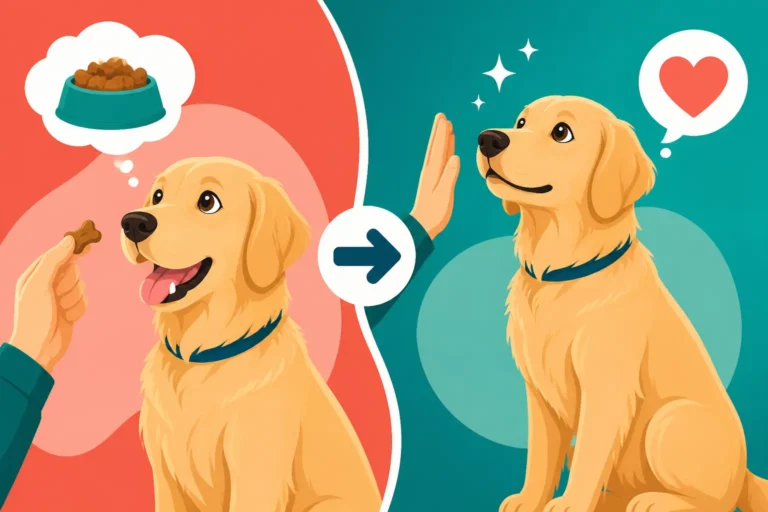
- Positive Reinforcement: The key is to make dropping the toy a positive experience. Have a high-value treat ready. When they bring the toy close, offer the treat right by their nose. Most Goldens will open their mouth to take the treat, causing them to drop the toy. As soon as the toy hits the ground, say "Drop!" or "Release!" and praise them enthusiastically. Immediately pick up the toy and throw it again. This teaches them that dropping the toy makes the game continue, and they get a bonus treat!
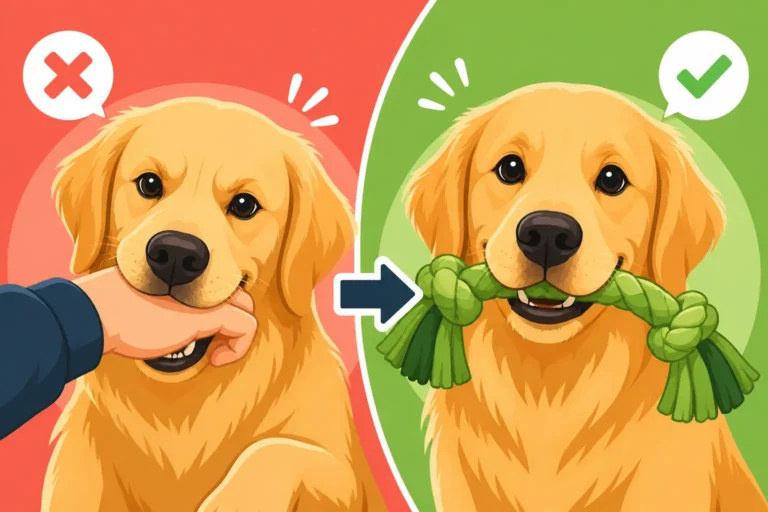
- Trade-Off: If treats aren't enough, try a "trade." Have a second, equally appealing toy. When they return with the first, present the second one. As they investigate or grab the second, they'll drop the first. Say your "Drop!" command, praise, and then continue the game.
- Avoid Chasing: Never chase your Golden to get the toy back. This instantly turns it into a fun game of chase for them, reinforcing the undesirable behavior. If they run away, stand still, turn your back, or even start walking away. Their desire to play will often prompt them to come back and engage.
Bringing the Toy Back to You
Some Goldens love to retrieve but stop a few feet away, dropping the toy just out of reach. This can be frustrating, turning fetch into a series of short sprints for you!
- Short Distance Practice: Start by playing fetch in a smaller, enclosed area. Initially, reward them for merely picking up the toy. Then, only reward when they take a step towards you. Gradually increase the distance they need to bring the toy before getting a reward and praise.
- Tethering (Temporarily): If you're really struggling, a long leash (a "long line") can be useful. Let them retrieve, and if they stop short, gently reel them in with the leash while giving your "come" command. Reward them heavily when they reach you and drop the toy. This physically guides them to the desired spot.
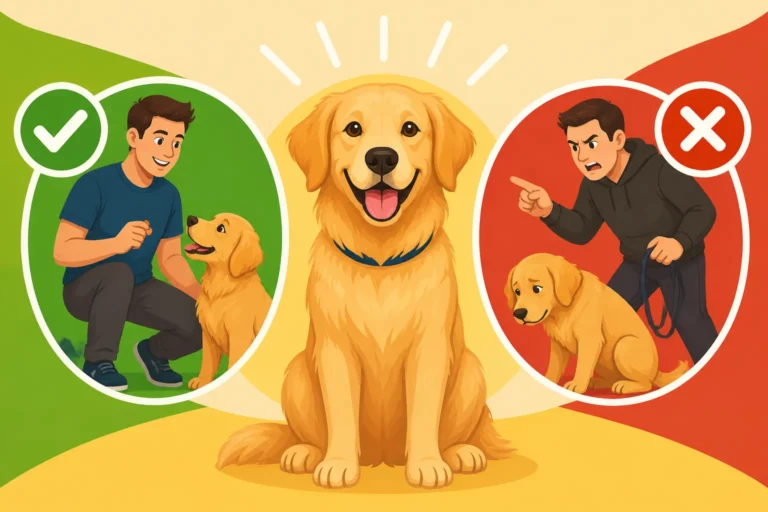
- Enthusiasm is Key: Be super exciting when they're coming back! Squat down, clap your hands, use an excited voice. Make coming all the way to you the most fun part of the game. They thrive on your positive feedback. This reinforces their desire to be near you, a vital part of Golden Retriever Recall and Off-Leash Reliability.
Distraction Management During Fetch
Golden Retrievers are generally very focused, but the world is full of interesting smells and sights. A squirrel, another dog, or a new scent can easily pull their attention away from the game.
- Start in a Low-Distraction Environment: When first teaching or refining fetch, choose a quiet area where there aren't many other things competing for their attention. As they get better and more focused, gradually introduce more distractions.
- High-Value Rewards: In distracting environments, you'll need higher-value rewards. Plain kibble might not cut it when a rabbit hops by. Think small pieces of cooked chicken, cheese, or specialized training treats.
- Focus on You: Before each throw, ask for a quick "sit" or eye contact. Reward that focus. This trains them to check in with you before the action begins. If they break focus, calmly bring their attention back to you before continuing the game.
- Leash for Control: If distractions are overwhelming, go back to using a long leash. This allows you to manage their attention and prevent them from fully disengaging to chase something. It's not about punishment, but about managing the environment to help them succeed in learning.
Safety First: Keeping Fetch Fun and Injury-Free
Fetch is fantastic exercise, but it's also a high-impact activity. Goldens are prone to certain joint conditions like Golden Retriever Hip and Elbow Dysplasia Explained, so ensuring their safety during play is paramount. Our goal is to tire them out, not wear them out or cause injury.
Avoiding Overexertion and Heatstroke
Golden Retrievers are enthusiastic and will often play until they drop if you let them. It's your job to know when to call it quits.
- Watch for Signs of Fatigue: Heavy panting (beyond normal post-exercise breathing), lagging pace, excessive drooling, or a reluctance to continue are all signs they're getting tired. Stop before they're completely exhausted.
- Hydration: Always bring fresh water, especially on warmer days. Offer water frequently during breaks. A collapsible bowl is a great item to keep handy.
- Weather Conditions: Be incredibly mindful of the weather. Goldens have thick double coats, making them susceptible to overheating. Avoid playing fetch intensely during the hottest parts of the day or when humidity is high. Early mornings or late evenings are often best in summer. Even on cooler days, if they're running hard, they can still overheat. If you notice signs of heatstroke, such as bright red gums, glassy eyes, staggering, or vomiting, stop immediately, get them to a cool place, and contact your vet. Golden Retriever Heat Tolerance and Overheating is a crucial topic for every owner.
- Age and Health: Adjust the intensity and duration of fetch based on your dog's age and health. Puppies have developing joints, so intense, repetitive fetching should be limited. Senior Goldens might have Golden Retriever Arthritis and Joint Decline and need shorter, gentler sessions. Always consult your vet if you have concerns about your dog's ability to participate in high-impact activities.
Safe Surfaces and Environments
The ground your Golden runs on can make a big difference in joint health and injury prevention.
- Soft Over Hard: As mentioned earlier, grass, dirt, or sand are far kinder to their joints than concrete or asphalt. Repetitive pounding on hard surfaces can contribute to joint wear and tear over time.
- Even Terrain: Avoid uneven ground, hidden holes, or rocky patches that could cause a misstep, sprains, or even fractures. A simple twist can lead to significant pain and vet bills.
- Temperature of Surface: Always check the temperature of the ground with your hand. If it's too hot for your bare hand for five seconds, it's too hot for your Golden's paws. Hot asphalt or sand can cause painful burns.
Toy Safety and Selection
The wrong toy can turn fun into a hazard.
- Durability is Key: Goldens have strong jaws. Choose toys made for active chewers and fetchers. Flaking, brittle plastic, or cheap rubber can break off and be ingested, potentially causing blockages or choking. Chew Toys That Survive a Golden Retriever are worth the investment.
- Size Matters: The toy should be large enough that it cannot be swallowed or become lodged in their throat, but small enough to be comfortably carried. Tennis balls are popular but can be a choking hazard for some larger Goldens if they manage to get it far back in their mouth. Consider specialized retriever balls that are slightly larger or have a unique shape.
- Inspection: Regularly inspect all fetch toys for damage. Discard any that are cracked, torn, or show signs of breaking apart.
- No Sticks or Rocks: While tempting in a pinch, sticks can splinter and cause severe mouth or internal injuries. Rocks can break teeth or be ingested. Stick to proper dog toys.
Fetch Alternatives for When You Can't Play Outside
Life happens. Sometimes the weather is terrible, your yard is muddy, or you're simply not up to a full-on outdoor fetch session. That doesn't mean your Golden Retriever's need for mental and physical stimulation disappears. There are plenty of indoor and low-impact alternatives that can engage their retrieving instincts and tire them out just as effectively.
Indoor Fetch Variations
Even in a small space, you can adapt fetch for indoors, provided you're mindful of your surroundings and your Golden's enthusiasm.
- Soft Toy Fetch: Use soft, plush toys or rolled-up socks instead of hard balls. These are less likely to damage furniture or walls. You can throw them gently down a hallway or across a living room.
- Stair Fetch: If you have carpeted stairs, a supervised game of stair fetch can be a great workout. Throw a soft toy to the bottom, let your Golden retrieve it, and bring it back up. This adds an elevation challenge that really works their muscles. Always monitor them closely to prevent slips or falls, and keep sessions short, especially for puppies or seniors.
- Hallway Bowling: Place a few empty plastic water bottles at the end of a long hallway. Throw a soft ball or toy for your Golden to "bowl" them over on their retrieve. This adds a fun, problem-solving element to a simple retrieve. This is a great way to provide Tiring a Golden Retriever on a Rainy Day activities.
Scent Work and Puzzle Games
These activities tap into your Golden's powerful sense of smell and their natural intelligence, offering significant mental fatigue without needing vast amounts of physical space.
- "Find It" Games: This is an indoor version of hide-and-seek fetch. Start with your Golden in a "stay" in one room. Hide a favorite toy or some small, fragrant treats (like tiny pieces of cheese or cooked hot dog) in another room. Release them with a "find it!" command. Make it easy at first, then increase the difficulty by hiding items under blankets, behind pillows, or inside open boxes. This makes them use their nose and brain, which is surprisingly exhausting.
- Puzzle Toys: Investing in a few good puzzle toys or snuffle mats is a game-changer for mental stimulation. These toys require your Golden to manipulate them to get treats out. There are various difficulty levels, from simple treat-dispensing balls to more complex sliding and lifting puzzles. Brands like Kong and Outward Hound offer excellent options. These are fantastic for quiet engagement and can keep a Golden occupied for a good while, helping them relax afterward.
Training Sessions and Brain Games
Short, frequent training sessions are another excellent way to mentally tire out a Golden. They love learning and pleasing their people.
- Review Commands: Go through a repertoire of known commands: sit, stay, down, come, heel. Practice them in different orders and locations.
- Teach New Tricks: Goldens are smart and eager learners. Teach them a new trick like "shake a paw," "roll over," "bow," or how to retrieve a specific item by name (e.g., "get your leash!"). Online resources like BAXTER & Bella often have great tutorials for teaching new tricks.
- Obedience Practice: Work on more advanced obedience like long-duration stays or precise heeling in the house. This kind of focused work demands significant mental energy.
- Targeting: Teach your Golden to touch their nose to your hand, a stick, or a specific object. This is a foundational skill for many complex behaviors and agility work.
These alternatives ensure that even when outdoor fetch isn't possible, your Golden Retriever's needs for mental and physical activity are still met, preventing boredom and reinforcing your special bond.
Disclaimer
This article is for general informational purposes only and does not constitute professional advice. Laws, prices and regulations vary by location and change over time. Consult a qualified professional for guidance on your specific situation.