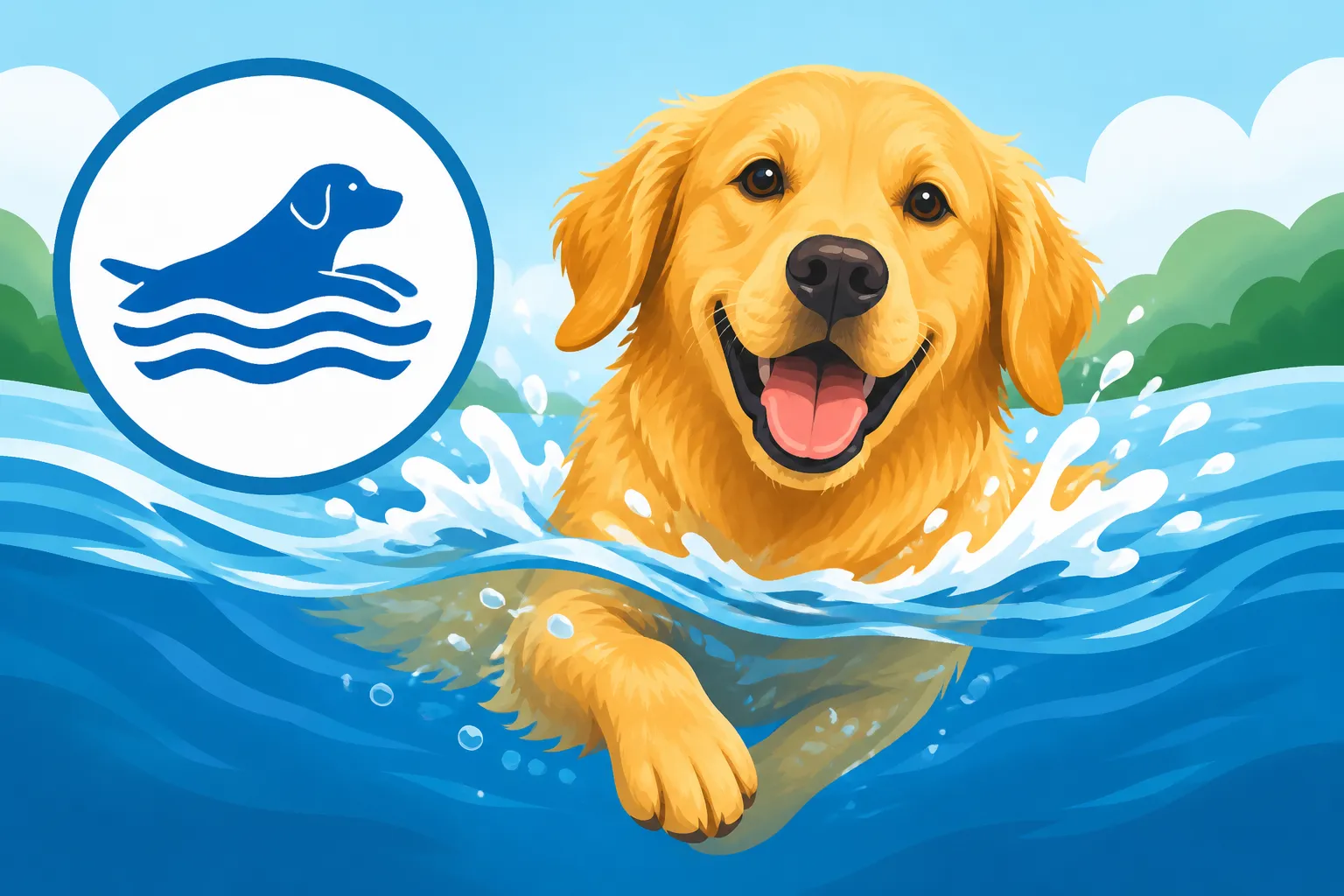
Swimming as Exercise for a Golden Retriever
It's a common sight, isn't it? A Golden Retriever, tail wagging like a metronome gone wild, eyes fixed on any body of water, be it a muddy puddle or the shimmering ocean. They were bred for retrieving from water, and it's in their very DNA to love a good splash. But beyond the sheer joy it brings them, swimming offers an incredible array of health benefits that can significantly contribute to their overall well-being and longevity, which is why this guide is going to dive deep into making swimming a fantastic and safe part of your Golden's exercise routine.
Why Swimming is a Golden Retriever's Ultimate Workout
There's a reason veterinarians, trainers, and seasoned Golden Retriever owners often sing the praises of swimming. It’s not just a fun pastime; it’s a powerhouse exercise that addresses many of the physical challenges our beloved Goldens can face, particularly as they grow and age. Understanding these benefits can help you appreciate why getting your dog in the water is such a valuable investment in their health.
Low-Impact, High-Reward Exercise
One of the biggest advantages of swimming for a Golden Retriever is that it's an incredibly low-impact activity. Unlike running on hard pavement or repetitive jumping, which can put significant stress on their joints, swimming allows them to exercise vigorously without that jarring impact. This is especially crucial for a breed prone to orthopedic issues like hip and elbow dysplasia. When they're in the water, the buoyancy supports their body weight, drastically reducing the strain on their hips, elbows, and spine. It means they can get a fantastic cardiovascular workout, building muscle and improving endurance, all while being gentle on those precious joints. This is a game-changer for active Goldens, allowing them to burn off energy safely.
Moreover, the resistance of water itself provides a unique challenge. Every stroke, every kick, requires more effort than moving through air, engaging muscles they might not use as intensely during land-based activities. This constant, gentle resistance builds lean muscle mass all over their body, from their powerful hindquarters to their strong shoulders and core. For Goldens, who often carry a bit more weight or have predispositions to joint problems, incorporating swimming into their routine can truly help manage their Golden Retriever Weight and Joint Damage. It’s an ideal way to keep them fit and trim, without exacerbating any underlying joint sensitivities, making it a cornerstone of preventative and rehabilitative care.
Building Strength and Stamina Safely
Swimming is a full-body workout that builds both strength and cardiovascular stamina in a way few other activities can. Imagine the effort your Golden puts into paddling for just 15-20 minutes in the water; it's often equivalent to a much longer and more strenuous run on land, yet without the pounding. This means they can build impressive endurance, which translates to better overall fitness and energy levels for all their other activities. A Golden with strong muscles and a healthy heart is a happy Golden, better equipped for long walks, hikes, and active play.
Beyond the physical, swimming helps build a resilient spirit. For many Goldens, the sheer joy of being in the water is infectious. The sustained physical activity releases endorphins, making them feel good and helping them maintain a balanced temperament. Owners often report that even a moderate swim session can lead to a calmer, more relaxed dog for the rest of the day. This is particularly beneficial for high-energy puppies or adolescent Goldens who need to channel their boundless enthusiasm. It’s a wonderful way to challenge them both physically and mentally, leading to a well-exercised and contented companion.
The Mental Benefits of Water Play
It’s not just about the muscles and the heart; swimming is incredibly enriching for a Golden Retriever’s mind. The sensory experience of water – the cool feeling, the sound of splashing, the unique resistance – provides a different kind of stimulation than chasing a ball in the park. For a breed as intelligent and eager to please as the Golden, novel experiences are vital for preventing boredom and promoting mental agility. Water play often involves retrieving toys, navigating different currents, and interacting with their environment in new ways, all of which sharpen their problem-solving skills and focus.
Think about the mental focus required to track a floating dummy, swim to retrieve it, and bring it back, especially if there are waves or other distractions. This isn't just mindless exercise; it’s an engagement of their natural instincts and intellect. It can also be a fantastic way to bond with your Golden. Playing fetch in the water, guiding them through a shallow area, or simply enjoying their joyful splashes alongside them strengthens your relationship. The sheer bliss on a Golden's face as they launch themselves into the water, utterly absorbed in their task or play, is a testament to the profound mental satisfaction they derive from it.
Getting Your Golden Retriever Comfortable with Water
While many Golden Retrievers are natural water lovers, assuming every single one will dive right in is a mistake. Just like people, some Goldens can be hesitant or even fearful of water, especially if they haven't been properly introduced. A slow, positive, and patient approach is key to ensuring your Golden develops a lifelong love affair with swimming. Rushing them can create a negative association that’s very hard to undo.
Early Introduction and Positive Associations
The best time to introduce a Golden Retriever to water is during their puppyhood socialization window, typically between 8 and 16 weeks of age, though positive introductions can happen at any age. Start small and shallow. A kiddie pool in the backyard with just a few inches of warm water can be a perfect first step. Toss in some buoyant toys or even some treats to encourage them to step in. Never force them into the water; this can be traumatizing. Instead, make it a fun, low-pressure game. You can even sit in the shallow water yourself and encourage them to join you.
Gradually increase the depth as they become more confident. For a hesitant puppy, a life vest can provide extra reassurance and buoyancy, allowing them to feel more secure. Praise them enthusiastically for any interaction with the water, no matter how small. Even just dipping a paw in deserves a treat and a happy "Good dog!" The goal is to build positive memories, linking water with fun, rewards, and your happy presence. Remember, patience is a virtue here; some Goldens might take several sessions before they truly embrace the splash.
Essential Gear for Water Safety
Safety is paramount when introducing your Golden to swimming, or even if they're a seasoned pro. Just like you wouldn't send a child into a pool without supervision, your dog needs appropriate gear and vigilance. The single most important piece of equipment is a well-fitting dog life vest. Even strong swimmers can get tired, encounter unexpected currents, or be affected by a sudden cramp. A life vest provides buoyancy, helps keep their head above water, and often has a handle on the back, which is incredibly useful for guiding them or pulling them out of the water if needed. Look for vests with bright colors for visibility and strong buckles. You can find excellent options on platforms like Chewy or Amazon.
Beyond a life vest, consider buoyant retrieve toys designed for water. These are usually brightly colored and float well, making them easy for your Golden to spot and grab. A long lead can also be helpful for controlled introductions in natural bodies of water, allowing them to explore while keeping them safely within your reach. Don't forget fresh water for drinking; dogs can easily ingest too much lake or ocean water, leading to stomach upset or worse, so having a bowl of clean water nearby is essential. Lastly, a good set of absorbent towels is a must for post-swim drying, especially for their ears and coat.
Here’s a quick overview of essential gear:
| Item | Purpose | Key Features to Look For |
|---|---|---|
| Dog Life Vest | Safety, buoyancy, reduces fatigue | Bright color, strong handle, adjustable straps, good fit |
| Buoyant Retrieve Toys | Encourages play, mental stimulation | Floats well, durable, non-toxic, easy to see |
| Long Training Lead | Controlled exploration, prevents wandering | Waterproof material, comfortable handle, appropriate length |
| Portable Water Bowl | Hydration with fresh water | Collapsible, easy to clean, sturdy |
| Absorbent Towels | Post-swim drying, ear care, car protection | Quick-drying microfiber, large size |
| Ear Cleaner | Prevents ear infections | Vet-approved formula, gentle, drying agents |
Overcoming Fear and Hesitation
For Golden Retrievers who are genuinely fearful of water, patience and positive reinforcement are absolutely critical. Never, ever throw your dog into water or force them in. This will only deepen their fear and break their trust in you. Start by just being near water with them. Sit by the edge of a kiddie pool, a calm pond, or a gentle stream. Let them observe the water, sniff it, and investigate on their own terms. Praise and reward any calm behavior near the water. You can try walking into shallow water yourself and inviting them to join you with a cheerful voice and a favorite toy or treat.
Sometimes, another confident, water-loving dog can be a fantastic role model. If you have a friend with a Golden who adores swimming, a supervised playdate in a safe, shallow water environment might inspire your hesitant pup. Even seeing you splashing and having fun can make a huge difference. Continue to keep sessions short, positive, and always end on a good note. If your Golden takes just one step into the water, celebrate it! This incremental progress, combined with consistent positive reinforcement, will gradually build their confidence. Remember, the goal is to make it their idea to enter the water, associating it with joy and not fear.
Safe Swimming Environments for Your Golden
Choosing the right swimming location is just as important as having the right gear. Not all water is created equal, and what might be perfectly safe for humans could pose risks for your Golden Retriever. Understanding the characteristics of different environments will help you make informed decisions, ensuring a fun and healthy swimming experience every time.
Backyard Pools and Water Features
Backyard swimming pools can be a fantastic, controlled environment for your Golden to swim. The biggest advantage is that you have complete control over the water quality, typically treated and relatively free of parasites or bacteria found in natural bodies of water. The predictable depth and lack of currents also make it a safe learning space. However, safety precautions are paramount. Ensure your Golden knows how to exit the pool, particularly if it has steps designed for humans. Teaching them where the steps are and how to use them is vital for their independence and safety.
Even if they are strong swimmers, never leave your Golden unattended in a pool. Accidents can happen quickly. Consider a ramp designed for dogs if your pool doesn't have easy-to-use steps. Also, remember that chlorine and other pool chemicals can be irritating to their skin and eyes, and if ingested in large quantities, can cause stomach upset. Always rinse your Golden thoroughly with fresh water after a swim in a chlorinated pool to remove residual chemicals from their coat and skin. Pay special attention to their eyes, which can get irritated.
Lakes, Ponds, and Natural Waterways
Natural bodies of water like lakes, ponds, and slow-moving rivers can offer a wonderful, expansive swimming experience for Goldens who love to explore. They provide varied terrain, interesting smells, and the chance for more vigorous exercise. However, these environments come with their own set of considerations. Water quality can vary dramatically; stagnant ponds or slow-moving water in warm weather can harbor dangerous bacteria like leptospirosis, giardia, or toxic blue-green algae. Always check local advisories before letting your dog swim in natural water. If the water looks murky, smells foul, or has a strange film on top, it’s best to avoid it.
Currents in rivers, even seemingly gentle ones, can be stronger than they appear, especially after heavy rains. Always assess the current before letting your Golden enter. Be mindful of submerged debris, sharp rocks, or fishing lines that could cause injury. And critically, be aware of wildlife. Snakes, alligators, or even aggressive waterfowl can pose a threat. After swimming in natural water, a thorough rinse and check for ticks or leeches are always good practice. These natural settings are beautiful, but they demand a more vigilant approach to safety than a controlled pool environment.
Beaches and Ocean Swimming Considerations
Oh, the beach! For many Goldens, the ocean is the ultimate playground. The vast expanse, the waves, the sand – it's an exciting sensory overload. Ocean swimming provides excellent exercise and mental stimulation, especially when battling gentle waves. However, the ocean presents unique challenges. Strong currents, undertows, and rip currents can quickly overwhelm even the strongest swimmer. Always swim in designated areas where lifeguards are present and pay attention to flag warnings. Never let your Golden swim unsupervised, and ensure they are wearing a visible life vest, which can be a lifesaver if they get caught in a strong current or become disoriented.
Saltwater can be dehydrating and can cause stomach upset if ingested in large quantities. Bring plenty of fresh drinking water for your Golden. Rinse them thoroughly after ocean swims to remove salt and sand from their coat, which can cause skin irritation or matting. Check their paws for any cuts from shells or sharp objects. Also, be aware of marine life like jellyfish or sharp barnacles on rocks. The beach offers unparalleled fun, but it requires a high degree of awareness and proactive safety measures.
Common Swimming Hazards and How to Avoid Them
Even with the best intentions and the most prepared Golden, swimming can present potential risks. Being aware of these hazards and knowing how to mitigate them is crucial for every Golden Retriever owner who wants to enjoy water activities safely. A little foresight can prevent a lot of heartache.
Waterborne Illnesses and Contaminants
Natural bodies of water can harbor a variety of invisible dangers that can make your Golden Retriever seriously ill. One of the most insidious is blue-green algae, which is actually a type of cyanobacteria. It thrives in warm, stagnant water and can produce potent toxins that are rapidly fatal to dogs if ingested. Always scan the water surface for any unusual green, blue, or brownish scums before letting your dog in. If you see it, keep your dog out of the water and report it to local authorities. Other common contaminants include bacteria like Leptospirosis, often found in water contaminated by wildlife urine, and parasites like Giardia, which can cause severe gastrointestinal upset.
To minimize risk, avoid letting your Golden drink from natural water sources. Always bring fresh water with you for them to drink. If you suspect the water quality is poor, or if there are agricultural run-offs nearby, choose a different swimming spot. Vaccinations against Leptospirosis can offer some protection, and routine deworming can help with some parasites. If your Golden shows any signs of illness after swimming – vomiting, diarrhea, lethargy, fever, or jaundice – seek veterinary attention immediately. Golden Retriever Vaccination Schedule can include leptospirosis in endemic areas.
Preventing Exhaustion and Cold Water Shock
Golden Retrievers are generally strong swimmers, but they are not immune to exhaustion. Overexertion can lead to dangerous situations, especially in larger bodies of water. Always start with short swimming sessions, gradually increasing the duration as your Golden builds stamina. Pay close attention to their body language. Excessive panting, lagging behind, or struggling to keep their head above water are all signs of fatigue. Make sure they take regular breaks on solid ground. A life vest, as mentioned, is critical for providing extra buoyancy and reducing the energy expenditure needed to stay afloat.
Cold water shock is another serious risk, particularly in colder climates or during cooler seasons. A sudden plunge into very cold water can cause a dog's blood vessels to constrict, leading to an increased heart rate and rapid breathing. This can be disorienting and even lead to cardiac arrest in extreme cases. Always test the water temperature yourself. If it feels too cold for you, it's too cold for your Golden. In colder water, keep swimming sessions very short, and ensure your dog has a warm, dry towel and a place to warm up immediately afterward. Goldens have a dense double coat that provides some insulation, but they aren't impervious to the cold. Cold Weather and a Golden Retriever's Double Coat discusses their insulation properties further.
Dealing with Currents, Riptides, and Debris
Currents in rivers, lakes, and oceans can be deceptively powerful. A seemingly gentle flow can quickly become a struggle, especially if your Golden is tiring. Always assess the water movement before allowing your dog to swim. If you're on a beach, learn to spot rip currents – narrow channels of fast-moving water that pull away from the shore. They often appear as a calm, discolored patch of water or a gap in breaking waves. If your Golden gets caught in a rip current, resist the instinct to swim directly against it; instead, try to swim parallel to the shore until you're out of the current, then swim back in. Training your Golden a strong recall, especially around water, is crucial here. Golden Retriever Recall and Off-Leash Reliability is a skill that can literally save their life in these situations.
Submerged debris is a hazard in many natural water bodies. Broken glass, sharp rocks, fishing hooks, or discarded trash can cause serious cuts and injuries to paws. Always check the area for visible debris before letting your Golden in, and be mindful of what lies beneath the surface. Wearing a life vest can also help keep your dog higher in the water, reducing the chance of them scraping against underwater obstacles. After any swim in natural water, always inspect their paws thoroughly for cuts or foreign objects, and gently feel through their coat for any snags or embedded items.
Maximizing the Benefits of Swimming for Your Golden
Once your Golden Retriever is comfortable and safe in the water, you can start to really lean into making swimming a regular, enriching part of their life. It's not just about splashing around; it's about making it a structured, beneficial activity that supports their physical and mental health for years to come.
Integrating Swimming into a Regular Routine
For many Goldens, swimming isn't just an occasional treat; it can become a core component of their Exercise a Golden Retriever Needs Each Day. Instead of thinking of it as a rare outing, consider how you can weave it into their weekly schedule. If you have access to a safe pool, a dog-friendly lake, or a hydrotherapy center, regular sessions once or twice a week can make a huge difference in their fitness. For active adult Goldens, these sessions can complement their daily walks and land-based play, providing a more intense, yet low-impact, workout.
The consistency is key. Just like humans benefit more from regular gym visits than sporadic ones, your Golden will build better muscle tone, stamina, and joint health with consistent water work. Remember to vary the intensity and duration based on their age and fitness level. A young, energetic Golden might thrive on longer, more vigorous sessions, while a senior Golden might benefit more from shorter, gentler hydrotherapy-style swims to help manage Golden Retriever Arthritis and Joint Decline. Planning ahead for accessible locations and proper post-swim care will make integration much smoother.
Fun Water Games and Training Exercises
Swimming doesn't have to be a monotonous chore; it can be a source of endless fun and mental engagement. Goldens, with their natural retrieving instincts, absolutely adore water games. Fetch with buoyant toys is a classic. Throw a dummy or a floatable ball a short distance, encouraging them to swim out and bring it back. Gradually increase the distance as their confidence and stamina grow. You can even use a flirt pole near the water's edge to entice them in, making it a game of chase.
Beyond simple fetch, you can work on obedience commands in the water. "Come," "Stay" (on a floating platform or shallow ledge), and "Leave It" (for distractions like ducks or other dogs) can all be practiced. This adds a mental challenge and strengthens their responsiveness in a novel environment. For Goldens with strong retrieving drives, you could even explore canine water sports like dock diving (where they jump off a dock into water to retrieve a toy) or competitive retrieving. These activities tap into their innate abilities and provide immense satisfaction. Remember that you can find many great water toys and training aids from pet retailers like Chewy or Amazon.
Post-Swim Care for Coat, Ears, and Paws
The fun doesn't stop when your Golden gets out of the water; proper post-swim care is essential for their health and comfort. Goldens have a dense double coat that holds water, which means thorough drying is crucial to prevent skin issues. Start with a good shake, then towel-dry them vigorously, getting deep into their undercoat. If you have a powerful dog dryer, even better. Pay special attention to areas prone to matting, like behind the ears, under the legs, and the "feathers" on their tail and legs. Damp skin can quickly lead to painful hot spots, especially in warm, humid weather.
Their floppy ears are particularly vulnerable to moisture retention, creating a warm, damp environment perfect for yeast and bacteria to grow, leading to nasty ear infections. After every swim, thoroughly dry their inner ears with a soft towel or cotton balls, and consider using a vet-approved ear cleaner with drying agents. This helps to absorb moisture and maintain a healthy ear canal. Cleaning a Golden Retriever's Ears Correctly is a vital skill. Finally, check their paws. Sand, small pebbles, or sharp debris can get lodged between their paw pads or cause cuts. Rinse their paws well, inspect them carefully, and if the pads seem dry or cracked, a little paw balm can help. Even fresh foods like those from Ollie can support their skin and coat health, but direct post-swim care is paramount.
When Swimming Might Not Be the Best Option
While swimming offers a wealth of benefits, it's important to recognize that it's not a universal solution for every Golden Retriever. Certain circumstances, health conditions, or life stages might make swimming less suitable, or require significant modifications to ensure safety. Being realistic about these limitations is part of being a responsible owner.
Health Conditions and Physical Limitations
Despite its low-impact nature, swimming isn't appropriate for every Golden, especially if they have certain health conditions. Goldens prone to severe ear infections might find constant moisture in their ears exacerbates the problem, even with diligent drying. Dogs with certain skin conditions or allergies might also react negatively to water chemicals or natural contaminants. If your Golden has an open wound, skin irritation, or a recent surgical incision, water exposure should be avoided entirely to prevent infection.
Furthermore, Goldens with severe mobility issues, beyond what hydrotherapy can safely address, might struggle in the water. While buoyancy helps, if they lack sufficient strength to paddle or coordinate their movements, swimming could be more stressful than beneficial. For Goldens diagnosed with heart conditions, particularly those requiring limited exercise, strenuous swimming could be dangerous. Always consult with your veterinarian before introducing swimming, especially if your Golden has any known health concerns or takes medication. They can provide guidance on appropriate intensity and duration, or suggest safer alternatives.
Age Considerations: Puppies and Seniors
The age of your Golden Retriever significantly impacts how they should engage with swimming. For very young puppies, while early positive introductions to shallow water are great, strenuous or prolonged swimming should be avoided. Their growth plates are still open, and excessive exercise, even in water, could potentially put undue stress on their developing joints. More importantly, puppies tire quickly and can become hypothermic easily. Short, supervised dips in warm, shallow water with a life vest are sufficient for teaching them the ropes. Exercise Limits for a Golden Retriever Puppy emphasizes caution during this delicate developmental stage.
Senior Goldens also require careful consideration. While swimming can be wonderful for Caring for a Senior Golden Retriever by providing low-impact exercise for aching joints, their stamina may be significantly reduced. They might also have poorer thermoregulation, making them more susceptible to cold water or overheating. Short, gentle swims in warm, calm water are best, always with a life vest for extra support. Watch for signs of fatigue more closely in older dogs, and ensure they have easy entry and exit points. Their vision or hearing might also be diminished, making them more vulnerable to currents or distractions. Tailor the swimming experience to their individual capabilities and comfort, making it about gentle movement and enjoyment rather than strenuous exercise. Also, be aware of conditions like Limber Tail in a Golden Retriever After Swimming, which can affect dogs of any age but might be more uncomfortable for seniors.
Disclaimer
This article is for general informational purposes only and does not constitute professional advice. Laws, prices and regulations vary by location and change over time. Consult a qualified professional for guidance on your specific situation.