Why Fast Growth Damages a Golden Retriever’s Joints
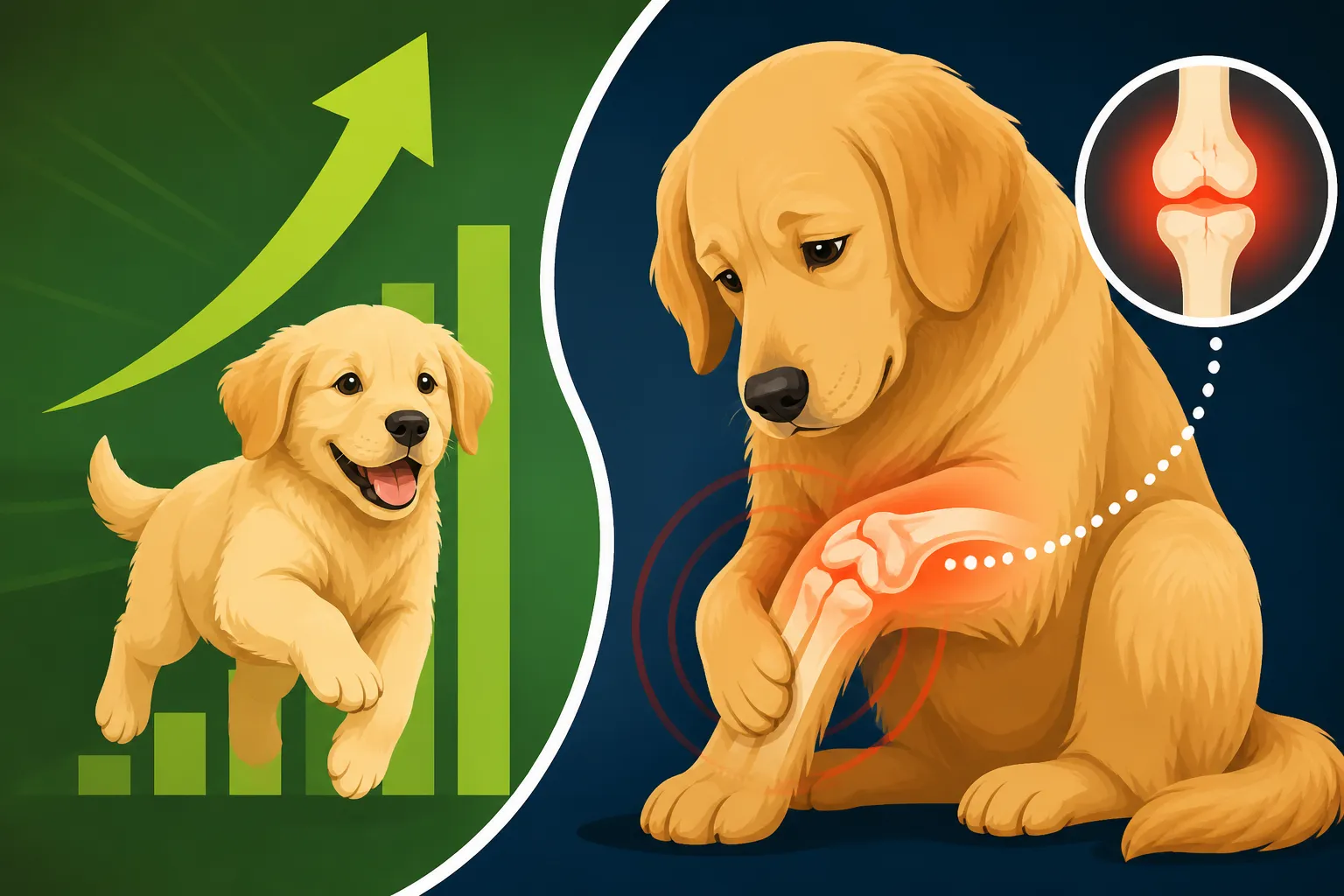
It’s a common misconception, especially with adorable Golden Retriever puppies, that the bigger and faster they grow, the healthier they must be. But for this wonderful breed, rapid growth isn't a sign of robust health; it's often a precursor to serious joint issues down the road. This guide will walk you through why fast growth can be so damaging to your Golden's developing joints and what you can do to ensure they grow at a healthy, steady pace.
The Science Behind Golden Retriever Puppy Growth: Why "Bigger, Faster" Isn't Better
We all love seeing our little Golden fluffballs turn into magnificent, regal dogs, but the journey there needs careful management. Their bones, muscles, and connective tissues are all developing at an incredible rate in their first year to year and a half. This rapid development, if not properly supported, can cause lasting harm. It’s not just about size; it’s about the rate at which they achieve that size.
Understanding Growth Plates and Vulnerability
Imagine your puppy's bones not as solid, unchanging structures, but as works in progress, especially at their ends. These are called growth plates, or epiphyseal plates, and they are essentially areas of cartilage that haven't yet hardened into bone. They're like the soft, growing points in a young tree. In Golden Retrievers, these growth plates typically don't close, or ossify, until they are around 14 to 18 months old, sometimes even later for larger males.
During this critical period, these plates are incredibly vulnerable. They are softer than the surrounding bone and can be easily damaged by excessive impact, strain, or even just the sheer weight of a rapidly growing body. If a puppy grows too quickly, the forces acting on these delicate growth plates become much higher than they are designed to handle. Think of it like a young sapling trying to support a fully grown tree's canopy – it just doesn't have the structural integrity yet. This vulnerability is a huge reason why controlled growth is paramount for your Golden Retriever.
The Role of Bone Density and Soft Tissues
It’s not just the growth plates that are affected by rapid growth; the entire skeletal structure and surrounding soft tissues are also at risk. When a Golden Retriever puppy grows too quickly, their bones might elongate faster than they can properly densify and strengthen. This can result in bones that are longer but not necessarily stronger, making them more susceptible to micro-fractures or structural weaknesses.
Furthermore, the muscles, tendons, and ligaments that support these rapidly growing bones might not develop at the same pace. Picture a scaffolding around a building under construction; if the building shoots up too fast, the scaffolding can’t keep up, leading to instability. Similarly, your Golden's connective tissues can become stretched or misaligned, struggling to provide adequate support to the increasingly large and heavy bone structure. This imbalance creates undue stress on joints, which are already working overtime to accommodate the puppy's growing size and activity level. This is a subtle but critical factor in preventing conditions like Golden Retriever Hip and Elbow Dysplasia Explained.
What "Fast Growth" Really Looks Like
So, how do you know if your Golden is growing too fast? It's not always about a puppy looking "fat." Often, a fast-growing Golden will look lanky and gangly, almost like they haven't quite grown into their own skin yet. They might appear disproportionately large for their age, or they might put on weight very rapidly in a short period. This isn't a sign of optimal health; it's a red flag.
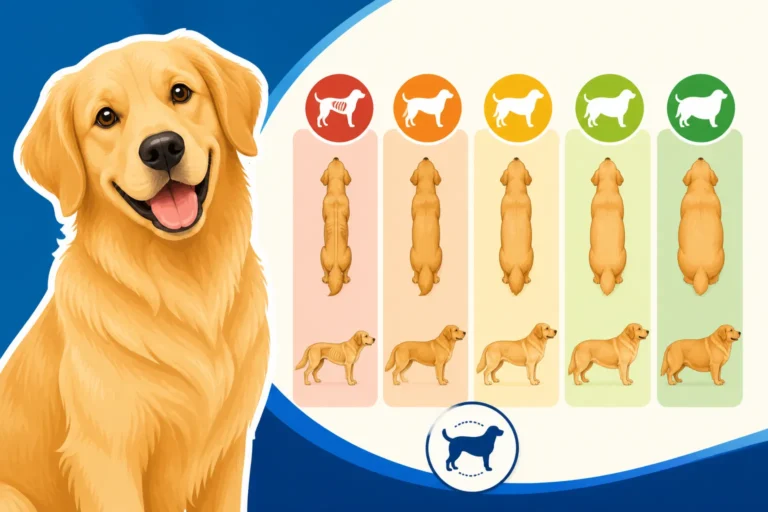
Veterinarians and experienced breeders often refer to a "slow and steady" growth curve for large breeds like Golden Retrievers. They should be lean, with easily palpable ribs (but not visible), and a tucked waist. If your puppy seems to be packing on pounds or height at an alarming rate, outstripping their littermates significantly, it's worth discussing with your vet. This isn't just cosmetic; it's a sign that their internal systems might be under stress, leading to a host of problems. It’s about more than just their current weight; it's about their entire developmental trajectory.
The Alarming Consequences of Rapid Development
The repercussions of rapid growth in Golden Retrievers are far more than just a momentary awkward phase. They can lead to painful, chronic conditions that impact your dog's quality of life for years, potentially costing a fortune in veterinary care and reducing their overall comfort. Understanding these consequences is crucial for any Golden owner committed to their dog's long-term health.
Increased Risk of Hip and Elbow Dysplasia
This is perhaps the most well-known and devastating consequence of fast growth. Golden Retriever Hip and Elbow Dysplasia Explained details these conditions extensively, but in short, they are genetic conditions exacerbated by environmental factors – with rapid growth being a primary culprit. When a Golden Retriever puppy grows too quickly, the joint components (the ball and socket of the hip, or the complex elbow joint) don't develop synchronously.
For hip dysplasia, the ball of the femur doesn't fit snugly into the hip socket, leading to looseness (laxity). This laxity causes friction and abnormal wear, eventually leading to painful osteoarthritis. Similarly, elbow dysplasia involves a range of developmental abnormalities within the elbow joint, often leading to lameness and chronic pain. The extra stress from rapid weight gain or accelerated bone lengthening can push a genetically predisposed puppy over the edge, turning a potential issue into a painful reality. Owners often report Golden Retriever Hip Dysplasia Symptoms by Age or signs of discomfort in the elbows around 6-12 months.
Early Onset Arthritis and Joint Pain
Even if your Golden manages to avoid severe hip or elbow dysplasia, rapid growth significantly increases their chances of developing early onset arthritis. Arthritis is the inflammation of a joint, and it's essentially the body's response to damage and wear and tear. When joints are subjected to excessive stress during their formative months due to fast growth, the cartilage that cushions the bones can degrade prematurely.
This degradation leads to bone-on-bone friction, pain, stiffness, and reduced mobility. Imagine a car's tires wearing out much faster than they should because the car was driven aggressively from day one. Your Golden's joints are similar. By the time they are just a few years old, a rapidly grown Golden might already be experiencing the kind of joint pain usually reserved for much older dogs. This can limit their ability to play, run, and enjoy life to the fullest, and may require lifelong pain management, such as the kind discussed in Slowing Arthritis Down in an Older Golden Retriever.
Other Orthopedic Challenges
Beyond hip and elbow dysplasia, rapid growth can contribute to a range of other orthopedic issues. These include conditions like osteochondritis dissecans (OCD), where cartilage fails to convert to bone properly, resulting in a painful flap of cartilage in the joint. Long bone deformities can also occur, where bones might not grow uniformly, leading to angulation abnormalities in the limbs.
These conditions are often complex, requiring specialized veterinary care, and sometimes expensive surgeries or Physical Therapy for a Golden Retriever With Bad Hips. The cumulative effect of these potential issues underlines why managing your Golden's growth rate is one of the most proactive and loving things you can do for their long-term health. It’s a foundational step in ensuring they lead a comfortable, active life without the burden of chronic pain.
Preventing Rapid Growth: Practical Feeding Strategies
The good news is that you, as an owner, have significant control over one of the biggest factors influencing growth rate: nutrition. By making informed choices about what, when, and how much you feed your Golden Retriever puppy, you can set them up for a lifetime of healthier joints.
Choosing the Right Large Breed Puppy Food
This is step number one. Not all puppy foods are created equal, especially for a large breed like a Golden Retriever. Generic puppy foods often contain higher levels of calories, fat, and calcium/phosphorus than are ideal for large breed puppies, designed for smaller breeds that mature faster. For a Golden, this can inadvertently accelerate growth.
You must choose a high-quality "large breed puppy formula." These formulas are specifically designed with controlled calorie levels and an adjusted mineral balance to support slower, more sustained growth. They aim for lean muscle development without promoting excessive bone growth. Look for brands that have undergone feeding trials and meet AAFCO (Association of American Feed Control Officials) guidelines for "large breed growth." Many reputable brands offer these specialized formulas, readily available through retailers like Chewy or Amazon. Dive deeper into this topic with Large Breed Puppy Food and Why Goldens Need It.
Strict Portion Control and Feeding Schedules
Once you have the right food, portion control is absolutely critical. Free-feeding (leaving food out all day) is a recipe for disaster for a growing Golden Retriever, encouraging them to overeat and grow too quickly. Instead, measure out their food precisely according to the guidelines on your chosen large breed puppy food bag, adjusting for your individual puppy's activity level and body condition.
Most Golden Retriever puppies benefit from 3-4 meals a day initially, gradually reducing to two meals a day as they approach adulthood. Your vet can help you determine the ideal portion sizes and frequency for your specific puppy. Always remember that the feeding guide on the bag is just a starting point; every puppy is an individual. If your Golden looks chunky or is gaining weight rapidly, reduce their portions slightly. You want them to look lean, not pudgy. This careful approach directly addresses concerns about Overfeeding a Golden Retriever Puppy.
| Age (Months) | Ideal Appearance | Feeding Frequency (Daily) | Key Considerations |
|---|---|---|---|
| 2-4 | Lean, ribs easily felt, no visible fat | 3-4 meals | Focus on large breed puppy food; avoid free-feeding. |
| 4-8 | Lean, growing longer, still lanky | 3 meals | Monitor weight closely; adjust portions as growth surges. |
| 8-12 | Filling out, still lean, not "thick" | 2-3 meals | Transition towards adult food around 12-18 months. |
| 12-18 | Approaching adult size, lean muscle development | 2 meals | Growth plates closing; maintain lean body condition. |
Note: This table provides general guidelines. Always consult your veterinarian for personalized feeding advice for your Golden Retriever.
Balancing Calcium and Phosphorus for Optimal Bone Health
Beyond calories and protein, the mineral balance, particularly calcium and phosphorus, is paramount for healthy bone development in large breed puppies. Too much calcium can be just as detrimental as too little, leading to skeletal abnormalities. High calcium levels can interfere with proper bone remodeling and maturation, contributing to conditions like OCD.
Large breed puppy foods are formulated to have a precise calcium-to-phosphorus ratio, typically between 1.1:1 and 1.5:1, and a total calcium percentage that is lower than standard puppy foods. This balance ensures proper bone growth without over-mineralization. This is why you should generally avoid supplementing your Golden Retriever puppy with extra calcium unless specifically directed by a veterinarian. Even seemingly innocent additions like cottage cheese or yogurt can throw off this delicate balance if given in large quantities. Understanding Calcium and Phosphorus in a Golden Puppy's Food is key to ensuring proper skeletal development.
Managing Exercise and Environment for Healthy Joint Development
Nutrition is a huge piece of the puzzle, but it's not the only one. How your Golden Retriever puppy moves and interacts with their environment during those crucial growth stages also plays a critical role in joint health. It's about providing appropriate stimulation without putting undue stress on their developing bodies.
Appropriate Exercise Limits for Growing Goldens
This might be hard to hear for an active breed like the Golden Retriever, but puppies need controlled exercise, not endless, high-impact activity. Their boundless energy can fool us into thinking they need to run for miles, but their growth plates and soft tissues are not ready for it. Forced exercise, such as long jogs, intense fetch sessions that involve abrupt stops and turns, or prolonged running on hard surfaces, should be avoided entirely until their growth plates have closed, which is typically after 14-18 months of age. You can learn more about this in When a Golden Retriever's Growth Plates Close.
Instead, focus on short, frequent, low-impact activities. Think multiple short walks a day (5 minutes per month of age is a good rule of thumb, e.g., a 4-month-old gets 20 minutes), gentle playtime in the yard, or supervised swimming once they're fully vaccinated. Mental enrichment, like puzzle toys found on Amazon or a gentle game of "find the treat," can also help tire them out without stressing their joints. Don't push them to exhaustion; let them set the pace and end play before they're completely wiped out. This is thoroughly explored in Exercise Limits for a Golden Retriever Puppy.
Protecting Delicate Joints from Impact and Strain
Beyond limiting intense exercise, consider how your puppy navigates their everyday environment. Jumping on and off furniture, repetitive stair climbing, or roughhousing with larger, older dogs can all put damaging strain on their still-developing joints. Even something as seemingly innocent as jumping out of a car can cause impact trauma.
Consider using ramps or steps to help them get into cars or onto furniture (if you allow them on it). Block off access to stairs if you have multiple flights, or carry them up and down until they are older and their growth plates are closed. Ensure they have a supportive, orthopedic bed to rest on, which can be found at retailers like Chewy or Ollie. Hardwood floors can also be challenging for puppies; rugs and runners provide better traction and cushioning. It's about making their world as joint-friendly as possible during this critical developmental period, especially considering how actions like repetitive stair use are addressed in Stairs and a Golden Retriever Puppy's Growing Joints.
Monitoring Your Golden's Growth and Body Condition
Regularly assessing your Golden Retriever puppy's body condition is one of the most proactive steps you can take. You should be able to easily feel their ribs when you run your hands along their side, without them being visibly prominent. They should have a noticeable waist when viewed from above, and their belly should tuck up slightly from the side. If you're struggling to feel their ribs, or if they have a saggy belly, they are likely carrying too much weight, which significantly exacerbates joint issues. Golden Retriever Weight and Joint Damage is an excellent resource for understanding the impacts of extra pounds.
Your veterinarian is your best partner in this. During routine puppy check-ups, they will monitor your Golden's weight and body condition score and can advise if adjustments to diet or exercise are needed. Don't hesitate to ask your vet to demonstrate how to properly assess your puppy's body condition. This continuous monitoring, combined with appropriate nutrition and controlled exercise, creates the optimal environment for your Golden Retriever to grow into a strong, healthy adult with robust joints, avoiding problems like How Extra Pounds Damage a Golden Retriever's Hips.
Disclaimer
This article is for general informational purposes only and does not constitute professional advice. Laws, prices and regulations vary by location and change over time. Consult a qualified professional for guidance on your specific situation.