When a Golden Retriever’s Growth Plates Close
Many Golden Retriever owners worry constantly about their growing puppies, especially regarding their bones and joints. It's a valid concern, as these magnificent dogs grow so quickly, and early mistakes can have lifelong consequences. One of the biggest anxieties revolves around when a Golden Retriever's growth plates close, and what that means for their developing body. This comprehensive guide will walk you through everything you need to know about growth plate closure in your Golden, helping you understand the timeline, protect their delicate joints, and ensure they grow into strong, healthy adults.
Understanding Golden Retriever Growth Plates
When you first bring home that adorable, clumsy Golden Retriever puppy, it's hard to imagine they'll soon be a seventy-pound dog. This incredible growth spurt relies heavily on specialized areas in their bones called growth plates. Understanding what these are and why they're so important is the first step in protecting your furry companion.
What Are Growth Plates and Why Are They Important?
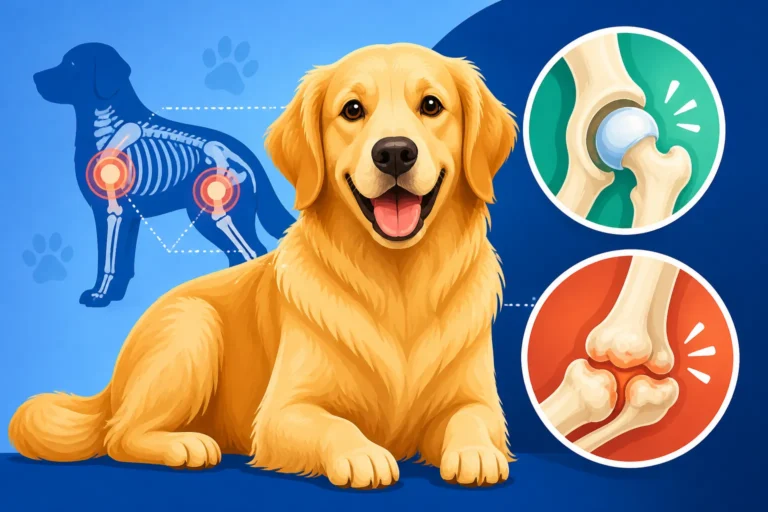
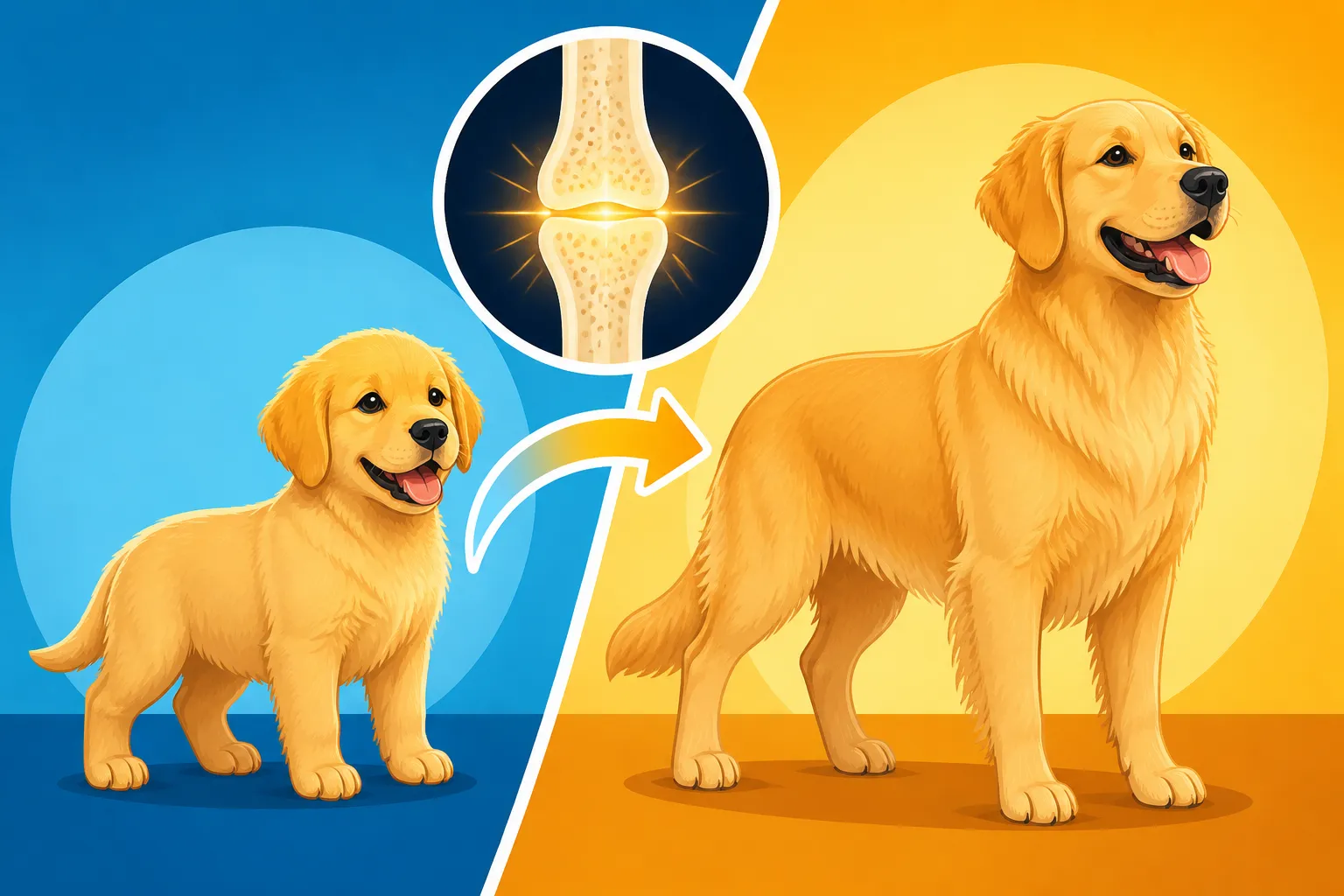
Imagine the long bones in your Golden's legs – like the femur in their thigh or the radius in their forearm. At each end of these bones, in puppies and young dogs, there are areas of soft cartilage called physes, or more commonly, growth plates. These aren't just decorative; they're essentially the "factories" that produce new bone cells, allowing the bone to lengthen. As your puppy grows, these cartilage cells multiply, then harden and turn into bone, pushing the ends of the bone further apart. This process continues until your Golden reaches its full adult size.
What makes growth plates so important, and simultaneously, so vulnerable, is that they are the weakest part of a growing bone. Think of them as the "epiphysis" – the ends of the bone – and the "metaphysis" – the shaft – coming together, but with a vulnerable cartilage layer in between. Until they "close," or fully ossify and turn into solid bone, they're much more prone to injury than the surrounding bone or even ligaments and tendons. A fall, a sudden twist, or even too much repetitive impact can cause a fracture or damage to these delicate areas. And unlike a simple broken bone in an adult, a growth plate injury can disrupt the normal growth process, leading to a bone that's shorter, crooked, or otherwise malformed. It's truly something that can impact a dog for the rest of their life.
Why Goldens Are Especially Susceptible to Growth Plate Injuries
Golden Retrievers, being a large and rapidly growing breed, are particularly susceptible to growth plate issues. Their genetics dictate a swift increase in size and weight, especially during their first year. This means their growth plates are active and vulnerable for a longer period and under greater stress compared to smaller breeds. Consider a tiny Chihuahua puppy versus a Golden puppy; the Golden is carrying significantly more body weight and exerting more force on its developing joints from an early age.
Furthermore, the Golden Retriever's exuberant, playful nature can sometimes work against them. They love to run, jump, and play hard. While this is part of their charm, it also means they're more likely to engage in activities that put undue stress on their still-developing skeletal system. A quick pivot during a game of fetch, a high jump off the couch, or even just rough-housing with another dog can put tremendous strain on those unfused growth plates. This is why you often hear vets and experienced Golden owners stress the importance of controlled exercise for a Golden Retriever puppy's growing joints. It's not about stifling their fun entirely, but rather guiding it in a way that protects their future health. Issues like Why Fast Growth Damages a Golden Retriever's Joints are very real concerns for this breed.
The Golden Retriever Growth Plate Closure Timeline
Understanding the typical timeline for growth plate closure is crucial for any Golden Retriever owner. It helps you tailor their exercise, diet, and general care to protect their developing skeletal system. Keep in mind that these are general guidelines, and individual dogs can vary.
General Timeline for Forelimbs and Hindlimbs
The closure of growth plates in Golden Retrievers happens gradually, with different plates fusing at different times. Generally, most growth plates in a Golden Retriever will have closed by 12 to 18 months of age, but some can remain open slightly longer, especially in larger individuals or those with slower growth rates.
Here's a general breakdown:
-
Front Legs (Forelimbs):
- Elbow: The elbow growth plates are among the first to close, usually around 4 to 8 months of age. This early closure makes the elbow a particularly sensitive area for large breed puppies, and explains why conditions like elbow dysplasia can be so prevalent. Early damage here can lead to significant problems.
- Shoulder: Growth plates around the shoulder typically close a bit later, often between 8 to 12 months.
- Wrist/Carpus: The growth plates in the carpal bones (wrist) usually close around 6 to 10 months.
-
Back Legs (Hindlimbs):
- Hip: The growth plates around the hip joint are generally closed by 6 to 10 months. However, the pelvic growth plates, which contribute to the overall shape of the pelvis, can take a bit longer.
- Knee (Stifle): The growth plates in the knee, particularly the distal femur (bottom of the thigh bone) and proximal tibia (top of the shin bone), tend to close between 10 to 14 months.
- Ankle (Hock): The hock growth plates usually fuse between 8 to 12 months.
It's important to remember that while most significant growth plate activity has ceased by 18 months, full skeletal maturity, where bones are completely dense and strong, can sometimes take up to 24 months, especially for very robust males. This is why many reputable breeders and vets recommend waiting until around 18-24 months for spaying and neutering, as it can impact bone development, as explored in articles like Neutering a Male Golden Retriever and Joint Risk or Spaying and Neutering Timing for Goldens.
To give you a clearer picture, here's a simplified table of approximate growth plate closure times:
| Bone/Joint | Approximate Closure Age Range (Golden Retrievers) | Key Considerations |
|---|---|---|
| Elbow | 4 – 8 months | Very vulnerable in early puppyhood, watch for lameness. |
| Wrist (Carpus) | 6 – 10 months | Repetitive stress can cause issues. |
| Hip | 6 – 10 months | Impacts hip joint development, crucial for future mobility. |
| Shoulder | 8 – 12 months | Later closure, still requires care. |
| Ankle (Hock) | 8 – 12 months | Jumping and landing can be risky during this period. |
| Knee (Stifle) | 10 – 14 months | One of the last major growth plates to fully fuse. |
| Most Plates Closed | 12 – 18 months | General guideline for when high-impact exercise can increase. |
Factors Influencing Growth Plate Closure
While genetics play a huge role in determining a Golden Retriever's growth rate and subsequent growth plate closure, several environmental and management factors can also influence this timeline. Understanding these can help you optimize your puppy's development.
Firstly, nutrition is paramount. Feeding a large breed puppy food that is specifically formulated for their needs is critical. These diets are carefully balanced to promote slow and steady growth, rather than rapid weight gain, which can put excessive stress on developing joints. Too much calcium or phosphorus, or an imbalance, can also negatively impact growth plate development and closure. Overfeeding, leading to a puppy becoming overweight, is particularly detrimental, as the extra pounds put immense pressure on soft, unfused growth plates, potentially causing them to close improperly or leading to conditions like Golden Retriever Hip and Elbow Dysplasia Explained. You can learn more about proper feeding in Feeding a Golden Retriever Through Every Life Stage.
Secondly, exercise must be carefully managed. While Goldens are active dogs, excessive or inappropriate exercise during puppyhood can seriously damage growth plates. Long, forced runs, jumping repeatedly from high places, or intense agility training before growth plates are closed should be avoided. Free play in a safe, soft environment is generally preferred, allowing the puppy to self-regulate their activity. Think short, gentle walks rather than long jogs, especially during their first year. For a deeper dive, check out Exercise Limits for a Golden Retriever Puppy.
Lastly, the timing of spaying or neutering can also influence growth plate closure. Research suggests that removing reproductive hormones too early can delay the closure of growth plates, leading to longer bones and potentially altering joint angles. This can, in turn, increase the risk of orthopedic problems like hip and elbow dysplasia, and even certain cancers or cruciate ligament tears later in life. This is a complex topic with ongoing research, but it's why many vets and breeders now recommend waiting until a Golden is at least 18-24 months old, or even older, before considering sterilization, particularly for males. Discussing this with your trusted veterinarian is always the best approach to make an informed decision for your specific dog.
Recognizing Signs of Growth Plate Issues and Protecting Your Golden
Even with the best intentions, accidents happen, and sometimes growth plates can be damaged. Knowing what to look for and how to actively protect your Golden during this critical development period is essential for their long-term health.
Symptoms of Growth Plate Injury
Growth plate injuries can sometimes be subtle, or they might present as acute lameness. If you suspect your Golden Retriever puppy has injured a growth plate, it's crucial to seek veterinary attention immediately. Early diagnosis and treatment can make a significant difference in the outcome.
Here are some common symptoms to watch out for:
- Sudden or Persistent Limping: This is perhaps the most obvious sign. If your puppy suddenly starts limping, refuses to put weight on a leg, or shows a noticeable lameness that doesn't resolve quickly, it could indicate an injury.
- Pain or Tenderness: Your puppy might vocalize, whimper, or pull away when you touch or try to examine the affected limb. They might also shy away from being petted in certain areas.
- Swelling: The area around the joint or along the bone might appear swollen or warmer to the touch compared to the corresponding limb.
- Reluctance to Move or Play: A puppy with a growth plate injury might be less active than usual, hesitant to jump, run, or climb stairs. Their normal playful energy might diminish significantly.
- Changes in Gait or Posture: You might notice them holding the limb at an unusual angle, or their overall way of moving seems "off." For instance, a puppy might show The Bunny Hopping Gait in Golden Retrievers if they are experiencing discomfort in their hindquarters.
- Visible Deformity: In severe cases, particularly if the injury has been left untreated for a while, you might notice a limb appears shorter or crooked, indicating abnormal growth.
If you observe any of these signs, especially after a fall, strenuous play, or any kind of impact, don't wait. A prompt visit to your veterinarian for an examination and potentially X-rays is the best course of action. This is where having pet insurance, such as from Healthy Paws, can be incredibly helpful, as emergency vet visits and diagnostics can quickly add up.
Preventive Measures During Puppyhood
Protecting your Golden Retriever's growth plates during their vulnerable puppyhood requires a mindful approach to their daily life. It’s all about balance – allowing them to be a puppy, but with careful supervision.
- Controlled Exercise: As mentioned, avoid high-impact activities. This means no long-distance running, no jumping off furniture or high platforms, and limiting intense, repetitive fetch sessions on hard surfaces. Focus on short, frequent walks on soft ground (grass, dirt trails) and controlled play sessions. Letting your puppy dictate the pace of their play is often the best strategy. Remember that Exercise Limits for a Golden Retriever Puppy are vital.
- Proper Nutrition: Stick to a high-quality large-breed puppy food designed for slow growth. Avoid overfeeding to prevent excessive weight gain, which stresses joints. Follow the feeding guidelines on the food bag, but always adjust based on your puppy's individual body condition. You should be able to feel their ribs easily, but not see them.
- Safe Environment: Puppy-proof your home to prevent falls from stairs or furniture. Consider using ramps for cars or high beds, especially as they get older, but even for younger puppies it can prevent jumping strain. Provide non-slip rugs on slick floors to prevent slips and slides that can twist fragile joints.
- Avoid Over-Training: While training is essential, avoid repetitive, high-impact maneuvers, especially those that involve tight turns or jumps, until their growth plates are fully closed. Focus on basic obedience and positive reinforcement.
- Regular Vet Check-ups: Your veterinarian will monitor your puppy's growth and can offer personalized advice. They can catch subtle signs of orthopedic issues early and guide you on appropriate activity levels. These regular visits are crucial for overall health and development.
By being diligent in these preventive measures, you significantly reduce the risk of growth plate injuries and help set your Golden Retriever up for a lifetime of healthy mobility.
The Role of Veterinary Care and Long-Term Health
No matter how careful you are, questions or concerns about your Golden's growth and development are bound to arise. Your veterinarian is your most valuable partner in navigating these early stages and ensuring long-term health.
When to Consult Your Vet
It’s always better to be safe than sorry when it comes to your Golden Retriever’s health, especially during their critical growth period. If you notice any of the symptoms of a growth plate injury discussed above, or if you simply have a persistent concern about their gait, posture, or reluctance to move, pick up the phone and call your vet.
Beyond acute injuries, regular veterinary check-ups are fundamental. During these visits, your vet will monitor your puppy’s weight, assess their growth rate, and perform orthopedic examinations to check joint health and detect any early signs of developmental issues. They can palpate joints and listen for clicks or discomfort. Don't hesitate to ask specific questions about when to increase exercise, transition food, or even the best time for spay/neuter surgery given the impact on Golden Retriever Weight and Joint Damage and bone development. Sometimes, an X-ray might be recommended to confirm growth plate closure or to investigate any suspected issues, especially if a puppy exhibits signs of discomfort or lameness. Early intervention for issues like hip or elbow dysplasia, even before growth plates are fully closed, can sometimes lead to better outcomes.
Long-Term Implications of Early Growth Plate Closure or Damage
The proper closure and health of growth plates have profound long-term implications for a Golden Retriever. Damage to a growth plate, or even early closure due to factors like premature spaying or neutering, can lead to a host of problems down the line, affecting their quality of life for years.
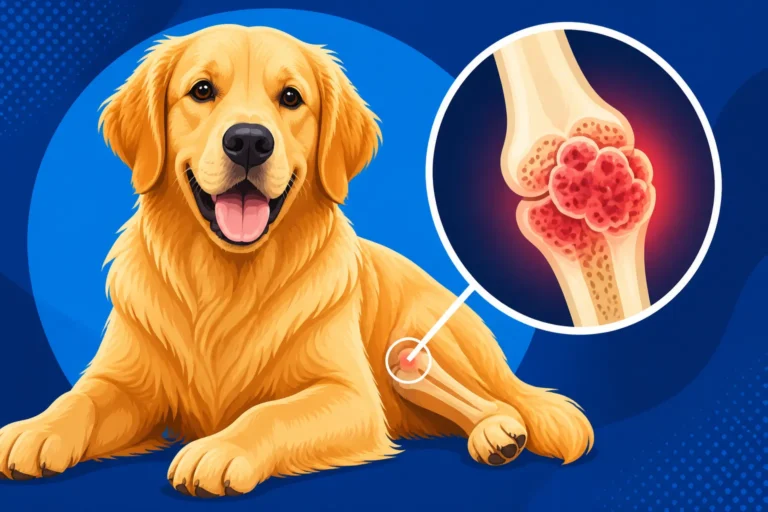
One of the most common long-term consequences of growth plate damage is premature or abnormal bone growth. If one side of a growth plate is damaged, it might close earlier than the other, causing the bone to grow crookedly or shorter than its paired bone. This can lead to lameness, pain, and significantly altered biomechanics of the limb, putting stress on other joints. For example, damage to the ulna’s growth plate can cause the radius to bow, impacting elbow function.
Another significant concern is the increased risk of degenerative joint disease (arthritis). Any trauma or abnormal development of a joint during puppyhood, even if it seems to heal initially, can predispose that joint to early onset arthritis. This is because the smooth cartilage surfaces within the joint can be compromised, leading to friction and degradation over time. By the time a Golden Retriever reaches their senior years, they may be dealing with chronic pain and limited mobility, as detailed in Golden Retriever Arthritis and Joint Decline.
In some cases, especially with early spay/neuter, the delayed closure of growth plates can result in a longer, more slender bone structure. While this might not seem problematic, it can change the angles and forces on the joints, potentially increasing the risk of cranial cruciate ligament tears (CCL) or other ligamentous injuries later in life.
Ultimately, proper management during the puppy and adolescent stages, while their growth plates are still active, is an investment in your Golden Retriever’s future. It helps prevent a lifetime of pain, costly veterinary treatments, and significantly enhances their chances of living a full, active life well into their senior years. This is why paying attention to details like their Golden Retriever Puppy Feeding Amounts and Schedule and carefully monitoring their activity is so important.
Disclaimer
This article is for general informational purposes only and does not constitute professional advice. Laws, prices and regulations vary by location and change over time. Consult a qualified professional for guidance on your specific situation.