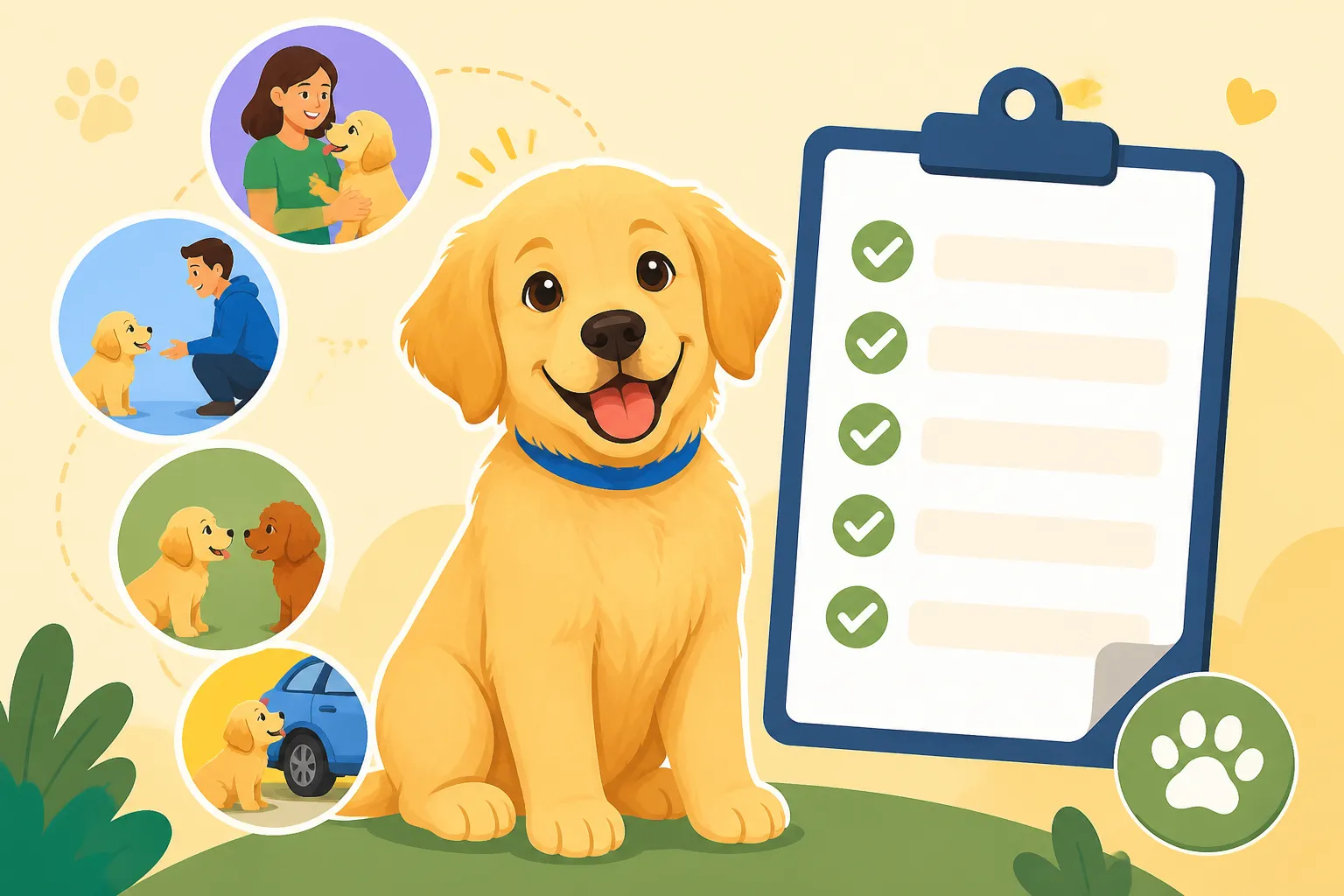
Socialization Checklist for a Golden Retriever Puppy
Bringing home a Golden Retriever puppy is one of life's greatest joys, but it also comes with a big responsibility: shaping that wiggly bundle of fluff into a confident, well-adjusted adult dog. Many new owners feel overwhelmed by the sheer volume of advice on puppy socialization, often wondering where to even begin and if they're doing enough. This guide aims to simplify that process, providing a clear, actionable socialization checklist to help your Golden Retriever puppy navigate the world safely and positively.
Understanding Puppy Socialization's Critical Window
You might hear a lot about "critical socialization periods," and it's not just jargon – it's a real, biological phase where your puppy's brain is like a sponge, soaking up every experience and forming its understanding of the world. Missing this window can make future training much harder, leaving you with a dog who is fearful, reactive, or simply unable to cope with normal life situations.
Why the First Few Months Matter Most
For Golden Retrievers, and most other breeds, the prime socialization window typically runs from about 3 weeks of age up to 16 weeks. This short, intense period is when your puppy is most receptive to new sights, sounds, people, and other animals. Think of it like building the foundation of a house; if you rush it or use weak materials, the whole structure might be wobbly later. During these crucial weeks, positive experiences teach your puppy that the world is a generally safe and interesting place, full of things to explore rather than fear.
While a good breeder starts this process, often with early neurological stimulation and exposure to household noises, the bulk of this responsibility falls to you once your puppy comes home. It's not about overwhelming them, but about carefully introducing them to a wide variety of stimuli in a controlled, positive way. Remember, every interaction, good or bad, is teaching them something. This is why understanding Golden Retriever Puppy Socialization Windows is so important.
Avoiding the Pitfalls of Under-Socialization
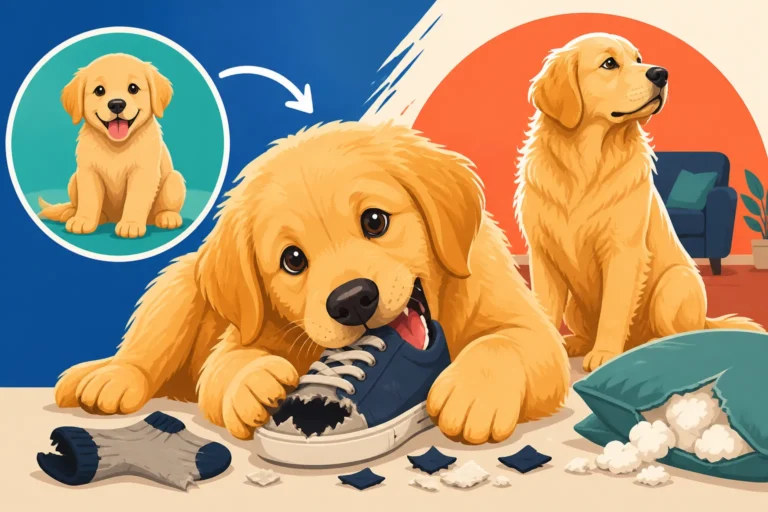
The consequences of under-socialization can manifest in many ways, none of them ideal for a breed as typically friendly and eager to please as a Golden Retriever. You might find yourself with a dog that cowers at the sound of a vacuum cleaner, growls at strangers, or becomes highly reactive on walks when encountering other dogs or bicycles. This isn't just a nuisance; it can be incredibly stressful for both you and your dog, limiting their quality of life and potentially leading to serious behavioral issues down the line. A Golden Retriever who is not properly socialized might develop Fearful Behavior in a Golden Retriever, becoming anxious and withdrawn.
Some owners, out of an abundance of caution regarding diseases like parvo before vaccinations are complete, inadvertently isolate their puppies during this critical period. While vaccine safety is paramount, there are safe ways to expose your puppy to the world without putting them at undue risk. This means carrying them, using puppy strollers, or visiting places known for low dog traffic, rather than avoiding exposure altogether. The goal is positive exposure, not just exposure for exposure's sake, which is why a structured approach like a Socialization Checklist for a Golden Retriever Puppy can be so beneficial.
Your Golden Retriever Puppy's Socialization Checklist
This checklist isn't about ticking off boxes in a single day, but rather a gradual, ongoing process throughout your puppy's first few months and beyond. The key is to keep all experiences short, positive, and paired with high-value treats and praise.
Exposure to Diverse Sights and Sounds
Your Golden Retriever puppy needs to encounter a vast array of visual and auditory stimuli to learn that they are normal parts of life, not threats. Start gently and observe your puppy's reactions. If they seem nervous, create distance and offer treats until they calm down.
Consider a daily "sound safari" or visual scavenger hunt:
- Household Noises: Vacuum cleaners, blenders, dishwashers, washing machines, doorbells, crying babies, TV sounds, video games. Start with these on low volume in another room, gradually bringing them closer.
- Outdoor Sounds: Traffic (cars, trucks, motorcycles, buses), sirens, construction noises, distant trains, planes flying overhead, children playing, lawnmowers, thunder (from recordings initially).
- Unusual Sights: People wearing hats, sunglasses, uniforms, hoodies; people with canes or in wheelchairs; strollers, bicycles, skateboards, umbrellas opening, flags flapping. Take your puppy to a park and just sit and watch the world go by from a distance.
- Different Surfaces: Walk on grass, pavement, gravel, wood floors, tile, carpet, metal grates, sand. Observe if your puppy shows hesitation and encourage them gently with treats.
You can even find recordings of common "scary" noises online, like thunderstorm sounds, and play them softly while your puppy is relaxed and receiving treats. This helps build positive associations from the comfort of your home. Exposing a Golden Retriever Puppy to Sounds in a controlled manner is crucial for their long-term confidence.
Positive Interactions with People of All Kinds
Golden Retrievers are renowned for their friendly nature, but this isn't automatic. They need positive experiences with a diverse range of people to develop that wonderful temperament.
Think about introducing your puppy to:
- Different Ages: Infants (safely, from a distance), toddlers (supervised and gentle), young children, teenagers, adults, and seniors. Teach children how to interact respectfully with a puppy – no grabbing, pulling, or sudden loud noises. Explain that quiet, calm interactions with treats are best.
- Different Appearances: People with beards, glasses, different skin tones, varying heights and weights, people wearing hats, coats, or carrying bags. The more variety, the less likely your Golden will be startled by unfamiliar individuals later in life.
- Different Movements: People walking slowly, jogging, using crutches, or in wheelchairs. These varied movements can sometimes be unsettling for puppies if not introduced positively.
Always ensure these interactions are positive. Ask people to offer a treat (which you provide) and speak in a calm, happy voice. If your puppy seems overwhelmed, end the interaction quickly and positively. Never force an interaction. Introducing a Golden Retriever to Children is a common concern, and starting early with positive, supervised experiences is key.
Safe Encounters with Other Dogs and Animals
This is perhaps one of the most vital parts of socialization, especially for a breed known for its sociability. However, "safe" is the operative word here. Not all dogs are good teachers, and a bad experience can set your puppy back significantly.
Aim for introductions to:
- Vaccinated, Calm Adult Dogs: These are the best "professors" for your puppy. They teach appropriate play manners, boundaries, and how to respond to social cues. Look for friends with well-adjusted, gentle dogs.
- Puppies of Similar Temperament: Puppy playdates, once your vet gives the all-clear for safe environments, are excellent for learning social skills. Watch for signs of bullying or excessive shyness.
- Other Species (where appropriate and safe): If you have cats, ensure a slow, supervised introduction. If not, seeing cats or other small, calm animals from a distance can be beneficial.
Enrollment in a reputable puppy class is highly recommended. Not only do they offer controlled play environments, but they also provide invaluable guidance on Puppy Classes Worth It for a Golden Retriever. Classes like those offered by BAXTER & Bella often focus on positive reinforcement and structured socialization, providing a safe space for puppies to learn and grow. When considering Introducing a Golden Retriever Puppy to an Older Dog, ensure the older dog is tolerant and has a history of good behavior with puppies.
Experiencing Different Environments and Textures
The world is a vast and varied place, and your Golden Retriever puppy should learn to navigate it with confidence. This helps them become a versatile companion ready for adventures.
Seek out:
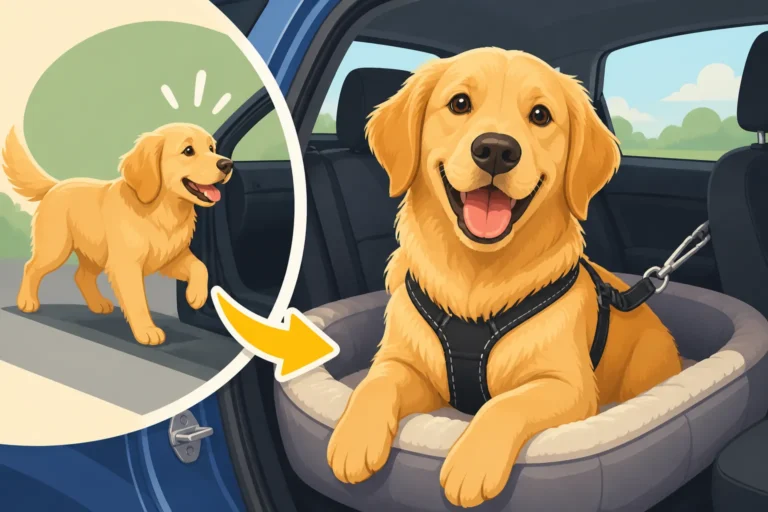
- Various Locations: Pet-friendly stores (carrying your puppy until fully vaccinated), parks, vet offices (positive "happy visits" with no pokes!), car rides to different places, friends' houses, local outdoor markets (from a distance at first).
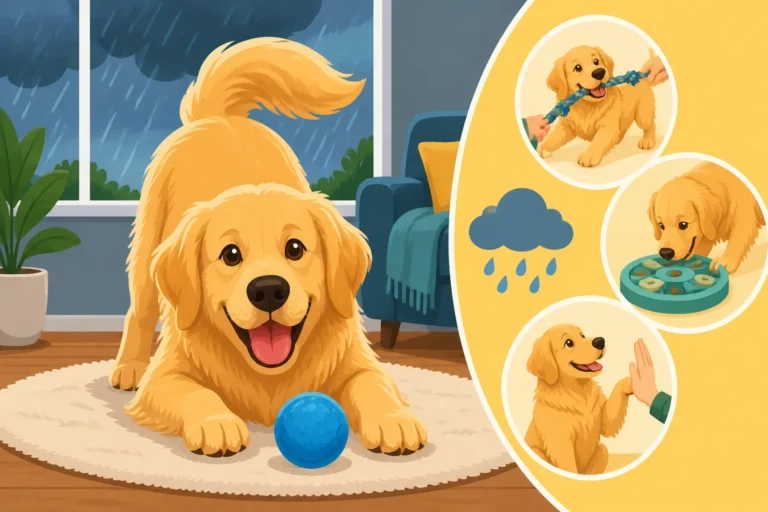
- Changing Weather: Gentle rain, wind, bright sunshine, cool temperatures (always keeping safety and comfort in mind).
- Unstable Surfaces: Wobbly bridges, stairs (small, gentle flights initially, avoiding excessive impact on growing joints), steps, ramps.
- Handling Experiences: Gentle ear checks, paw touching, teeth inspection, brushing (especially important for that thick Golden coat), and towel drying after baths. Make these positive with treats so vet visits and grooming are less stressful down the line.
Remember to keep these experiences positive. If your puppy seems scared or unsure, take a step back, offer reassurance and treats, and try again later with less intensity. Even a short, positive Introducing a Golden Retriever to Car Rides can make a huge difference in their comfort level for future vet visits or road trips.
Practical Strategies for Effective Socialization
Socialization isn't just about exposure; it's about positive exposure and teaching your puppy how to cope with new things without fear. There are practical steps you can take to make this process smooth and successful.
Structured Puppy Classes and Playdates
One of the best investments you can make in your Golden Retriever puppy's future is enrolling them in a well-run puppy socialization class. These classes are specifically designed for young puppies and focus on safe, positive interactions. They often cover basic obedience too, which is a bonus. The trainers are usually experienced in puppy behavior and can guide you through appropriate play, body language interpretation, and managing potential issues.
Beyond the formal setting, arranging playdates with known, vaccinated, and gentle adult dogs or other puppies is fantastic. These informal sessions allow your puppy to practice their social skills in a less structured environment. Just make sure the play is balanced – no one puppy should be consistently overwhelmed or bullying. If you're looking for guidance, online programs or communities can also offer support and resources for finding appropriate playmates. Many programs, like those you might find advertised on Amazon or through pet supply retailers, offer virtual consultations or comprehensive training guides that include socialization tips. These can supplement in-person classes, especially if you live in an area with fewer options. When looking for a trainer, make sure they use positive reinforcement techniques, which are crucial for building trust and confidence in your Golden. For more in-depth training, consider a resource like Training a Golden Retriever From Puppy to Adult.
Making Every New Experience Positive
This cannot be emphasized enough. Every new sight, sound, person, or object should be associated with something good for your puppy. Carry a pouch full of high-value treats (small pieces of cheese, cooked chicken, or specialized training treats your puppy loves). Whenever your puppy encounters something new and doesn't react negatively, immediately reward them. If they seem a little unsure, you can create distance, but still offer treats and praise for simply observing calmly.
For example, if you see someone in a wheelchair, don't rush your puppy up to them. Instead, stop a distance away, offer treats, and praise them for being calm while watching. Gradually, over many separate exposures, you can decrease the distance if your puppy remains comfortable. The goal is to build a positive emotional response, not just to tolerate. If an experience turns negative, don't dwell on it. Just move on and try to create a positive experience immediately afterward, even if it's just playing a favorite game in a quiet spot.
Managing Overwhelm and Fear Responses
Despite your best efforts, your puppy might occasionally become overwhelmed or show signs of fear. It's crucial to recognize these signs: tail tucked, ears back, lip licking, yawning (out of context), freezing, shaking, or trying to hide. If you see these, you've gone too far, too fast.
Here's how to manage it:
- Create Distance: Immediately move your puppy away from the scary stimulus until they are calm and relaxed.
- Reassure Calmly: Acknowledge their fear with a soft voice, but don't coddle excessively, as this can inadvertently reinforce the fear.
- Offer a "Reset" Activity: Play a quick game of fetch with a favorite toy, or do a few simple obedience commands they know well, ending with a big reward. This helps them switch their focus and end the experience on a positive note.
- Go Back to Basics: For the next few days, only expose them to things they are already comfortable with, rebuilding their confidence before reintroducing the challenging stimulus at a much lower intensity.
- Consult a Professional: If fear responses are persistent or severe, don't hesitate to reach out to a professional dog trainer or veterinary behaviorist. They can provide tailored guidance.
Remember, patience is key. Rushing a fearful puppy will only exacerbate their anxiety. Building confidence takes time, consistency, and a deep understanding of your puppy's individual needs. This careful approach also helps with understanding Golden Retriever Temperament and What to Expect as they mature.
The Lifelong Benefits of a Well-Socialized Golden
Investing time and effort in early puppy socialization pays dividends for your Golden Retriever's entire life. It transforms them from a potentially anxious animal into a confident, happy companion ready for anything.
A Confident, Adaptable Companion
A well-socialized Golden Retriever is a joy to live with. They'll be more resilient in the face of new experiences, whether it's a trip to the groomer, a new dog park, or a family vacation. They're less likely to develop anxiety disorders, aggression, or destructive behaviors stemming from fear or boredom. You'll find they handle novel situations with curiosity rather than fear, approaching new people and places with a wagging tail and an eagerness to engage.
Imagine being able to take your Golden Retriever almost anywhere with confidence, knowing they'll be calm and polite. They'll be comfortable in bustling cafes, quiet hikes in the woods, or simply relaxing while visitors come over. This adaptability is the hallmark of a truly well-adjusted dog and is deeply rooted in those early, positive experiences. It means they're less likely to develop issues like Separation Anxiety Versus Boredom in a Golden Retriever because they have a solid foundation of coping skills.
Preventing Common Behavioral Issues
Many common behavioral problems in adult dogs stem from a lack of proper socialization during puppyhood. Fear can manifest as barking, lunging, biting, or even inappropriate urination. A dog that wasn't exposed to children may nip out of fear, or one unfamiliar with other dogs may react aggressively on leash. While socialization isn't a magic bullet for all behavioral issues, it's undeniably the most effective preventative measure for many.
By giving your Golden Retriever puppy a broad, positive foundation, you significantly reduce the likelihood of these issues emerging. They'll learn appropriate responses to stressors, develop good bite inhibition, and understand how to interact politely with the world around them. This not only makes your life easier but ensures your Golden Retriever can live their fullest, happiest life as a beloved member of your family and community. It sets them up for success, ensuring that when they reach their teenage phase, the Golden Retriever Teenage Regression is less intense, and they eventually When a Golden Retriever Finally Settles Down into a well-mannered adult.
| Socialization Category | Examples of Experiences | How to Make it Positive |
|---|---|---|
| Sights | People (all types), vehicles, objects (umbrellas, hats), animals (from distance) | High-value treats, calm praise, create distance if nervous |
| Sounds | Vacuum, doorbell, traffic, thunder (recordings), children playing, construction | Start quiet, play during mealtime or playtime, increase volume slowly |
| Surfaces | Grass, gravel, pavement, wood, tile, carpet, sand, metal grates | Offer treats for stepping on new surface, short exploration |
| Handling | Ears, paws, mouth, tail, brushing, vet exam positions, towel drying | Pair with treats & praise, short sessions, gentle touch, stop if uncomfortable |
| Environments | Parks, pet stores (carried), friend's homes, car rides, vet clinic (happy visit) | Short visits, treats/toys, positive reinforcement, end on good note |
| People | All ages, genders, appearances, movements (walkers, hats, glasses) | Ask people to toss treats, gentle pets, no forced interactions |
| Dogs/Animals | Calm, vaccinated adult dogs, playful puppies, cats (supervised) | Supervised playdates, puppy classes, positive encounters only |
Disclaimer
This article is for general informational purposes only and does not constitute professional advice. Laws, prices and regulations vary by location and change over time. Consult a qualified professional for guidance on your specific situation.