When a Golden Retriever Plays Too Rough
It's incredibly frustrating when your sweet, goofy Golden Retriever suddenly turns into a bouncy, mouthy, and sometimes overwhelming bundle of energy during playtime. What starts as a fun game of fetch or a romp with another dog can quickly escalate into something that feels too intense, leaving you with nips, bruises, or worrying about how they interact with others. This guide is here to help you understand why your Golden might be playing too rough, how to recognize the signs, and most importantly, how to redirect that boisterous energy into appropriate, enjoyable play.
Understanding Why Your Golden Retriever Might Play Too Roughly
Golden Retrievers are renowned for their friendly dispositions and their eager-to-please nature. But let's be real, beneath that charming exterior is often a powerhouse of energy and a strong genetic drive to use their mouths. Sometimes, this can manifest as play that crosses the line from fun to forceful. It's not usually malicious, but it definitely needs understanding and direction.
Natural Breed Tendencies and Puppy Development
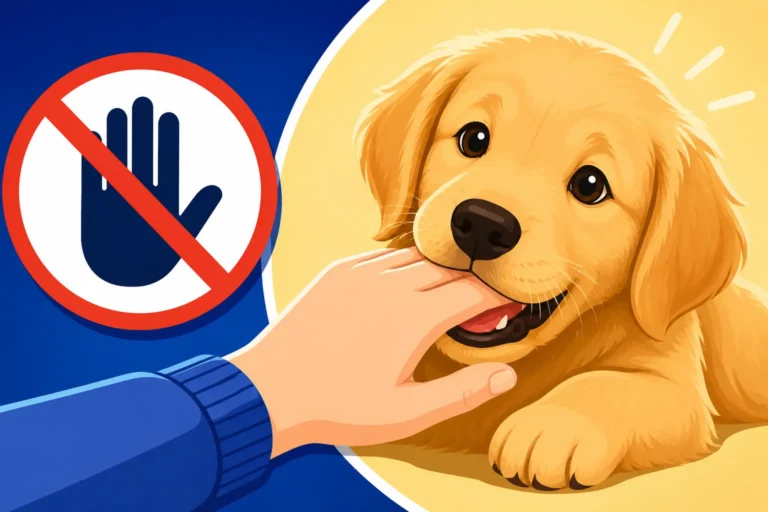
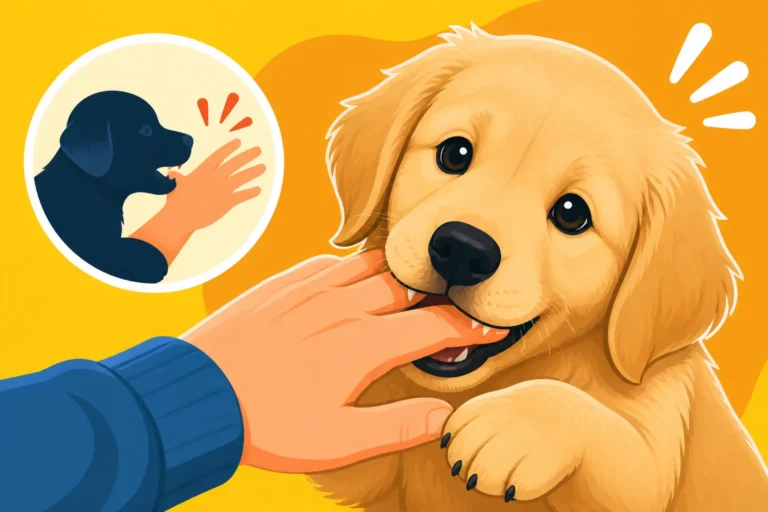
Think about what Goldens were bred for: retrieving waterfowl. This job required them to be active, intelligent, and, critically, to use their mouths to gently carry birds without damaging them. This "soft mouth" instinct is a hallmark of the breed, but it also means they are naturally very oral dogs. Puppies, especially, explore the world with their mouths, and they don't instinctively know that human skin is fragile. When a Golden Retriever puppy is young, nipping and mouthing are completely normal. They learn bite inhibition from their littermates and mother, who will yelp or correct them if they bite too hard. If this learning isn't fully ingrained, or if they're separated from their litter too early, they might not develop the understanding of how much pressure is too much. This can lead to issues with Stopping a Golden Retriever Puppy From Biting.
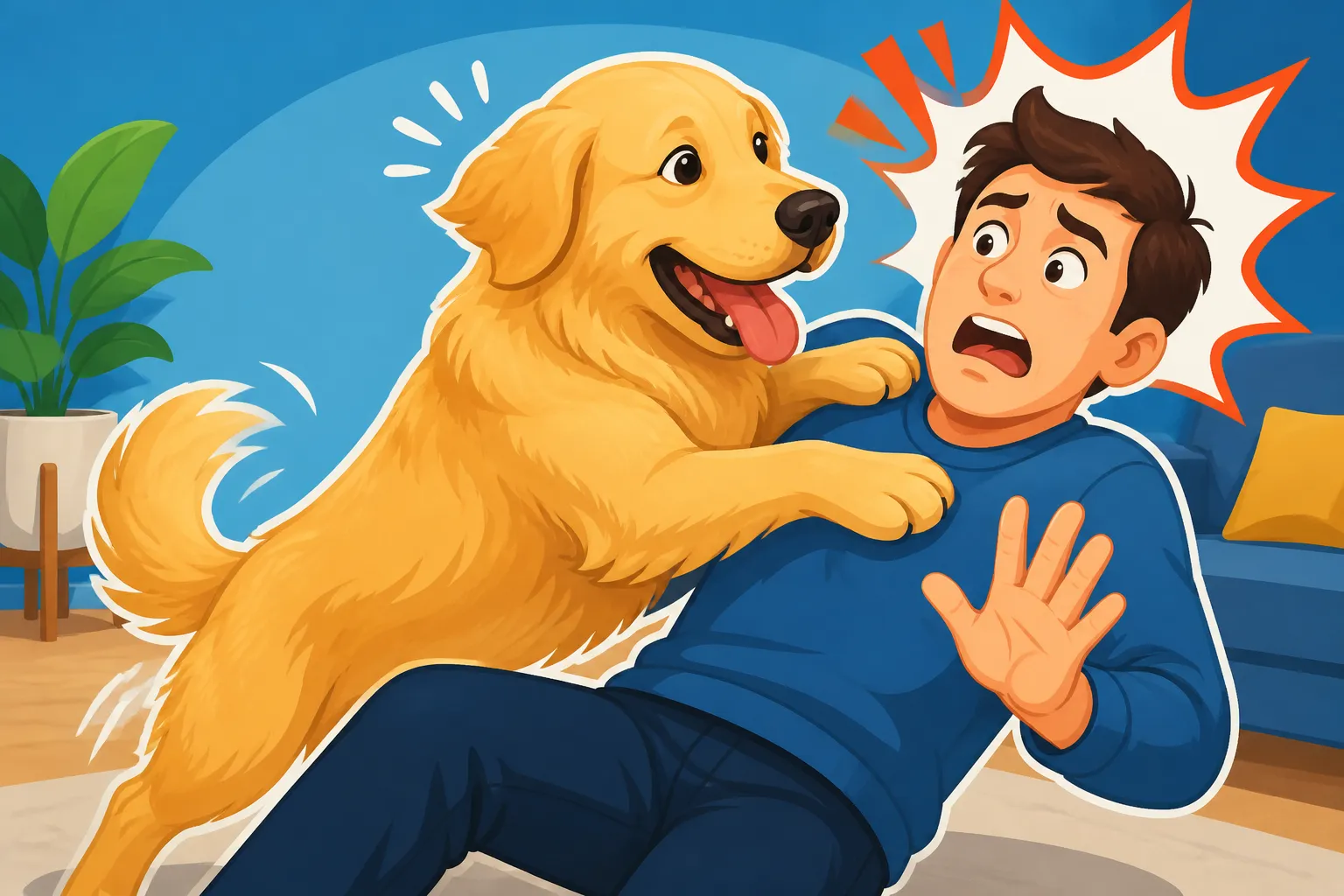
As they grow, that retrieving drive often translates into a desire to chase, pounce, and tug, which can be thrilling but also intense. Their powerful bodies, even as young dogs, can easily knock over small children or send an unsuspecting adult sprawling. It’s not aggression; it's often just exuberance, a combination of their genetics and their youthful energy bursting forth. They truly don't always realize their own strength, especially when they get really excited.
The Role of Energy and Excitement
Golden Retrievers are a high-energy breed, particularly in their younger years and if they come from a working or "field" line. If they're not getting enough appropriate physical and mental exercise, that pent-up energy has to go somewhere. Imagine a child kept indoors all day without any stimulating activities—they're bound to bounce off the walls! The same applies to Goldens. A bored or under-exercised Golden is far more likely to engage in overly rough play, destructive chewing, or incessant barking.
When they do get to play, they can become over-aroused very quickly. Their excitement can escalate rapidly, leading to a loss of self-control. This isn't just about physical activity; mental stimulation plays a huge role too. A dog who isn't challenged mentally might resort to more physical, sometimes rough, outlets for their energy. If they don't have clear rules and boundaries around play, they'll simply follow their instincts, which can be a bit much for human companions or more timid canine friends.
Lack of Boundaries and Appropriate Play Partners
Sometimes, a Golden Retriever plays too roughly because they've never truly learned the boundaries. If rough play was inadvertently reinforced as a puppy – perhaps by owners who found it cute, or who didn't know how to stop it effectively – the dog learns that this behavior gets them attention or engagement. This isn't blaming the owner; it's a common oversight, especially with a breed as endearing as a Golden. They want to interact, and if a playful nip or a body slam gets a reaction, even a negative one, it can still feel like a reward to them.
Furthermore, the types of play partners they have can influence their style. If they primarily play with other dogs who also enjoy very rough-and-tumble play, they might not learn to temper their intensity. On the flip side, if they've had negative experiences with other dogs or haven't been adequately socialized, they might struggle to read canine social cues, leading to misunderstandings and overly physical interactions. It's a delicate balance, and providing structured, supervised play with a variety of partners is key to helping them develop appropriate play skills.
Recognizing the Line: What Constitutes "Too Rough" Play?
Distinguishing between exuberant, healthy Golden Retriever play and behavior that's genuinely "too rough" can be tricky. What one dog or person finds acceptable, another might find terrifying. It's all about understanding context, body language, and the impact of the play.
Defining Appropriate Versus Inappropriate Play
Healthy play, whether with humans or other dogs, should always be reciprocal and involve breaks. You'll see dogs taking turns chasing, wrestling, and pausing to shake off or catch their breath. Their body language will be loose and wiggly, with open mouths and sometimes a "play bow" (front end down, rear end up) indicating they want to engage. There might be some growling or barking, but it sounds playful, not aggressive or fearful. If a dog nips, it should be soft, not leaving marks. For humans, it means no painful nips, no accidental scratches from jumping, and no feeling overwhelmed or intimidated.
Inappropriate play, on the other hand, lacks reciprocity. One dog might be relentlessly pursuing or pinning another, or a dog might be ignoring signals from a human to stop. Body language can become stiff, ears might be pinned back, and vocalizations can turn into hard, low growls or distressed yelps. There might be excessive mounting, or one dog trying to escape the interaction repeatedly. For people, this means nips that break the skin, jumping that causes loss of balance, or play that leaves you feeling genuinely afraid or hurt. When a Golden Retriever is playing too rough, it often means they're not reading cues, or they're too aroused to care about them.
Here's a quick reference for common play behaviors:
| Play Behavior | Generally Appropriate (Healthy Play) | Generally Inappropriate (Too Rough/Concerning) |
|---|---|---|
| Mouth Use (Biting) | Soft nips, inhibited mouthing, no skin broken. "Gator rolls" on toys. | Hard nips, broken skin, bruising. Grabbing limbs tightly. |
| Body Contact | Loose body slams, mutual wrestling, playful pouncing, taking turns. | Stiff body slams, persistent pinning, ignoring breaks, knocking people/dogs over forcefully. |
| Vocalizations | Playful barks, high-pitched excited yelps, "rumbly" happy growls. | Low, hard growls; distressed yelps (from the receiving dog); incessant, high-pitched barks of frustration. |
| Body Language | Loose, wiggly body; play bows; relaxed tail wags; happy, open mouth. | Stiff body; pinned ears; whale eye; tucked tail; attempts to escape or hide. |
| Interaction | Reciprocal (taking turns), frequent breaks, both parties seem to enjoy it. | One-sided, relentless, ignoring cues to stop, one party clearly not enjoying it. |
Reading Canine Body Language During Play
Becoming a fluent reader of canine body language is your superpower as a Golden Retriever owner. When play is healthy, you'll see loose, fluid movements. A "play bow" is a classic invitation to play. Tails will be wagging, often in wide, sweeping motions, but importantly, the rest of the body will also be relaxed. Look for relaxed, open mouths, sometimes with a "silly" panting expression. Dogs will often take short breaks, shake off the tension, and then re-engage.
Conversely, signs that play is becoming too rough or escalating include:
- Stiffening body: The dog's muscles become tense, and movements lose their fluidity.
- Hard stares: Intense, unblinking eye contact can be a warning sign.
- Pinned ears or whale eye: Ears flattened back, or you see the whites of their eyes.
- Growling that changes tone: A playful growl often has a higher pitch and a "throaty" quality. A warning growl will be lower, harder, and more sustained.
- Refusal to disengage: The dog ignores attempts to stop play or redirect them.
- Mounting: While sometimes part of play, persistent or dominant mounting can be a sign of over-arousal or control issues.
If you see these signs, especially if another dog is trying to get away or shows signs of distress, it's time to intervene. Ignoring these cues can lead to serious incidents. Goldens are generally tolerant, but even the friendliest dog has limits.
Impact on Humans and Other Dogs
The impact of rough play isn't just about superficial nips. For humans, particularly children or elderly family members, a Golden Retriever's sheer size and enthusiasm can cause serious injury. A jump can knock a child down, leading to bumps, scrapes, or even broken bones. A playful nip, intended to be gentle, can easily puncture skin. Beyond physical harm, it can create fear and anxiety, making interactions stressful instead of joyful. This is especially true if you have young children and your Golden Retriever is nipping at children.
For other dogs, repeated overly rough play can lead to stress, fear, or even aggression. A dog who is constantly being "bullied" during play may become reactive or defensive. It can damage relationships, not just between the dogs, but also between you and the other dog's owner. Understanding the subtle signals from other dogs – turning away, lip-licking, yawning, freezing, or trying to hide – is crucial. If another dog is consistently retreating or yelping, your Golden is definitely playing too rough, regardless of their intentions. Golden Retrievers With Other Dogs at the Park need careful supervision to ensure everyone is having a good time.
Practical Strategies for Managing Overly Enthusiastic Play
Once you can identify when your Golden Retriever is playing too roughly, the next step is to implement effective strategies to manage and redirect that energy. Consistency is paramount here; everyone in the household needs to be on the same page.
Interrupting and Redirecting Rough Play
The moment play escalates, you need to intervene. For mouthiness towards humans, especially puppies, a sharp, high-pitched "ouch!" or "yelp" can mimic a littermate's reaction. Immediately withdraw attention – stand up, turn your back, or even leave the room for 10-15 seconds. This teaches them that rough play makes the fun stop. This method is central to Bite Inhibition Training for a Golden Retriever. When you return, if they're calm, you can re-engage. If they're still mouthy, repeat the process.
For rough play with other dogs or general over-excitement, a calm but firm verbal interrupter like "Enough!" or "Break!" is helpful. Immediately physically separate the dogs, even if just for a few seconds. Leash them if necessary. Use this time to allow them to calm down, maybe practice a few "sits" or "downs," and only re-engage if both dogs are relaxed. Sometimes, a short time-out in a separate, quiet area is necessary to bring their arousal levels back down.
Once the play is interrupted, redirect that energy into something appropriate. This might be a sturdy chew toy, a game of fetch with their favorite ball, or a structured training session. Always have appropriate toys readily available. Many excellent, durable chew toys can be found on platforms like Amazon, offering a safe and satisfying outlet for their chewing and carrying instincts. Redirecting a Golden Retriever Onto a Toy is far more productive than letting them mouth your hands.
Teaching Impulse Control and Manners
A big part of managing rough play is teaching your Golden Retriever impulse control. This means they learn to pause and think before acting on every impulse. Basic obedience commands like "sit," "stay," "wait," and "leave it" are not just for showing off; they are vital tools for impulse control. Practice these commands in various environments, gradually adding distractions. For example, have them "stay" while you toss a toy, then release them with a "go!" command.
Work on the "drop it" command religiously. This is essential for preventing resource guarding and ensuring they release whatever they've grabbed during intense play. Practice trading high-value items for lower-value ones, always making it a positive experience. Building a strong "come" or recall command is also critical, allowing you to call them away from escalating play situations, especially at the dog park. These skills are invaluable for Training a Golden Retriever From Puppy to Adult.
If your Golden is jumping up on people, teach them Teaching a Golden Retriever Four on the Floor. Reward them when all four paws are on the ground, even if they're excited. Consistency from everyone they interact with is key here too.
Providing Appropriate Outlets for Energy
Remember that high energy we talked about? It needs a constructive release. Simply letting your Golden Retriever run around the backyard isn't always enough. They need structured exercise that engages both their body and their mind. This could include:
- Daily walks or jogs: A good brisk walk or jog, tailored to their age and physical condition, helps burn off physical energy. Just be mindful of Exercise Limits for a Golden Retriever Puppy to protect their growing joints.
- Fetch and retrieving games: This taps directly into their breed instinct. Use durable toys and vary the game to keep it interesting. Make sure they know "drop it" to avoid a tug-of-war if they're getting too excited. How much fetch do they need? How Much Fetch a Golden Retriever Needs depends on their individual drive.
- Swimming: Most Goldens adore water and it's a fantastic, low-impact way to exercise them vigorously.
- Puzzle toys and treat dispensers: These engage their minds and make them work for their food or treats, reducing boredom. Platforms like Amazon offer a wide variety of these.
- Training classes or dog sports: Agility, obedience, rally, or even nose work can provide immense mental and physical stimulation, channel their energy, and strengthen your bond. These activities are particularly good for preventing Golden Retriever Chewing Through Adolescence which can be a sign of boredom or pent-up energy.
Ensure your Golden Retriever is getting enough of both physical and mental stimulation every single day. A tired, well-exercised Golden is a well-behaved Golden. For more ideas on how to keep their minds active, check out Mental Enrichment for a Bored Golden Retriever.
Setting Rules for Play with Other Dogs
When playing with other dogs, supervision is non-negotiable. Always be present and ready to intervene. If your Golden Retriever starts to become too intense:
- Intervene early: Don't wait until one dog is stressed. Step in the moment you see stiff body language, relentless chasing, or excessive pinning.
- Short breaks: Call your Golden away for a 30-second break. Ask for a sit, reward with a treat, and then allow them to re-engage if they're calm. This teaches them to regulate their own arousal.
- Choose appropriate playmates: Not every dog is a good match for a rough player. Seek out dogs who enjoy similar play styles but also have good manners and can provide appropriate corrections. Avoid dogs who are much smaller, much older, or very timid.
- Limit durations: Keep intense play sessions short, especially if your Golden is prone to over-arousal. Several shorter, calm play sessions are better than one long, chaotic one.
Remember, your goal isn't to stop them from playing, but to teach them how to play politely and respectfully with others.
Using Training Aids
Sometimes, you need a little extra help to manage a boisterous Golden.
- Front-clip harnesses: These can be incredibly helpful for controlling pulling on the leash and providing better steering during walks or when approaching other dogs. When clipped in the front, it redirects their pulling power sideways, making it harder for them to lunge or drag you into rough play situations.
- Long lines: A long line (15-30 feet) allows your Golden Retriever to explore and run safely in an open area while still giving you a way to intervene or practice recall if play escalates. This is especially useful in unfenced areas where you're working on improving their recall.
- Muzzles: In rare cases, if a Golden has a history of truly breaking skin during rough play, a well-fitted basket muzzle can be a temporary safety measure. This allows them to still participate in supervised activities while you work on behavior modification without the risk of injury. It’s a tool, not a punishment, and should always be introduced positively.
- Online Training Programs: For comprehensive guidance, consider enrolling in an online training program like BAXTER & Bella. These platforms often provide structured lessons, videos, and support that can walk you through impulse control exercises, proper socialization techniques, and how to manage overly enthusiastic behavior from puppyhood to adulthood. They can be a fantastic resource for learning how to best communicate with your Golden.
These tools are aids, not solutions in themselves. They help you manage the behavior while you actively train and redirect.
When to Call in the Professionals
While many Golden Retriever owners can manage rough play with consistency and the strategies above, there are times when professional help is not just recommended, but essential. Knowing when to reach out can prevent situations from escalating and ensure the safety and well-being of everyone involved.
Persistent or Escalating Behavior
If you've diligently applied training techniques, provided ample exercise, and been consistent with boundaries, yet your Golden Retriever's rough play isn't improving, or worse, seems to be getting more intense, it's time to seek expert advice. This is particularly true if the nips are becoming harder, if they are ignoring your commands more frequently, or if the play is causing consistent distress to other dogs or people.
Some Golden Retrievers have such a high drive or are so prone to over-arousal that standard methods just don't cut it. They might need a more tailored approach that addresses the root cause of their behavior, whether it's an underlying anxiety, a history of unaddressed incidents, or simply a personality that needs more structured guidance. Don't feel like a failure if you need to bring in a professional; it's a sign of a responsible owner committed to their dog's well-being.
Fear or Aggression Signals During Play
This is a critical red flag. While Goldens are known for their gentle nature, any sign of fear or true aggression during play warrants immediate professional intervention. This includes:
- Hard, low growls: Different from playful rumbling, these indicate a warning.
- Lip curling or baring teeth: A clear sign of discomfort or threat.
- Snapping or lunging with intent to harm: Not just an accidental nip.
- Guarding behavior: If your Golden becomes aggressive around toys, food, or even you during play, which is known as resource guarding, this requires specialized training. If your Golden Retriever is Golden Retriever Guarding a Bone or Toy, you need to address it proactively.
- Persistent attempts to injure: Repeatedly going for vulnerable areas like faces or throats of other dogs.
These behaviors are not just "rough play"; they indicate a deeper issue that needs to be addressed by a qualified professional. A certified dog trainer or veterinary behaviorist can help you understand the triggers and create a safety and modification plan.
When Home Methods Aren't Working
You've watched videos, read articles (like this one!), and you're trying everything. But nothing seems to stick. This can be incredibly disheartening. Perhaps your timing is off, your cues aren't clear, or you're inadvertently reinforcing the very behavior you're trying to stop. An experienced professional can observe your interactions and quickly pinpoint what's going wrong. They offer an objective perspective and can help you adjust your techniques for better results.
Sometimes, the issue isn't just about training. There could be an underlying medical condition contributing to increased irritability or pain, which a veterinarian should rule out. Or, in some cases, the dog might have a behavioral issue that requires medication in conjunction with behavior modification. A veterinary behaviorist, who is a veterinarian with specialized training in animal behavior, is uniquely qualified to diagnose and treat these complex cases.
The Role of a Certified Professional Dog Trainer or Veterinary Behaviorist
When you decide to seek professional help, make sure you choose the right kind of expert.
- Certified Professional Dog Trainers (CPDT-KA): These trainers specialize in teaching obedience, manners, and addressing common behavioral issues. They use positive reinforcement methods to help you shape your Golden's behavior. A good trainer will work with you, not just your dog, equipping you with the skills to continue the training. Look for certifications and positive reviews.
- Veterinary Behaviorists (DACVB): These are veterinarians who have gone through extensive additional training and certification in animal behavior. They can diagnose and treat behavioral disorders, prescribe medication if necessary, and develop comprehensive behavior modification plans for complex cases. They are the specialists you'd consult for serious aggression, severe anxiety, or other deep-seated behavioral problems. They can also differentiate between a purely behavioral issue and one with a medical component.
Don't wait until the problem becomes severe or causes harm. Addressing overly rough play early with the right guidance can ensure your Golden Retriever remains the joyful, beloved companion they are meant to be.
Disclaimer
This article is for general informational purposes only and does not constitute professional advice. Laws, prices and regulations vary by location and change over time. Consult a qualified professional for guidance on your specific situation.